The European Central Bank (ECB)is making progress in creating the digital euro, a project that might not be launched until 2029 after nearly a decade of preparation. Although it is presented as a mechanism to modernize payment systems, the initiative is raising growing concerns as it is interpreted as a centralized plan that would grant more power to states and less freedom to citizens.
The project began in 2020with a feasibility report, followed by a research phase between 2021 and 2023, and is currentlyin a preparation stage that will continue until 2025.
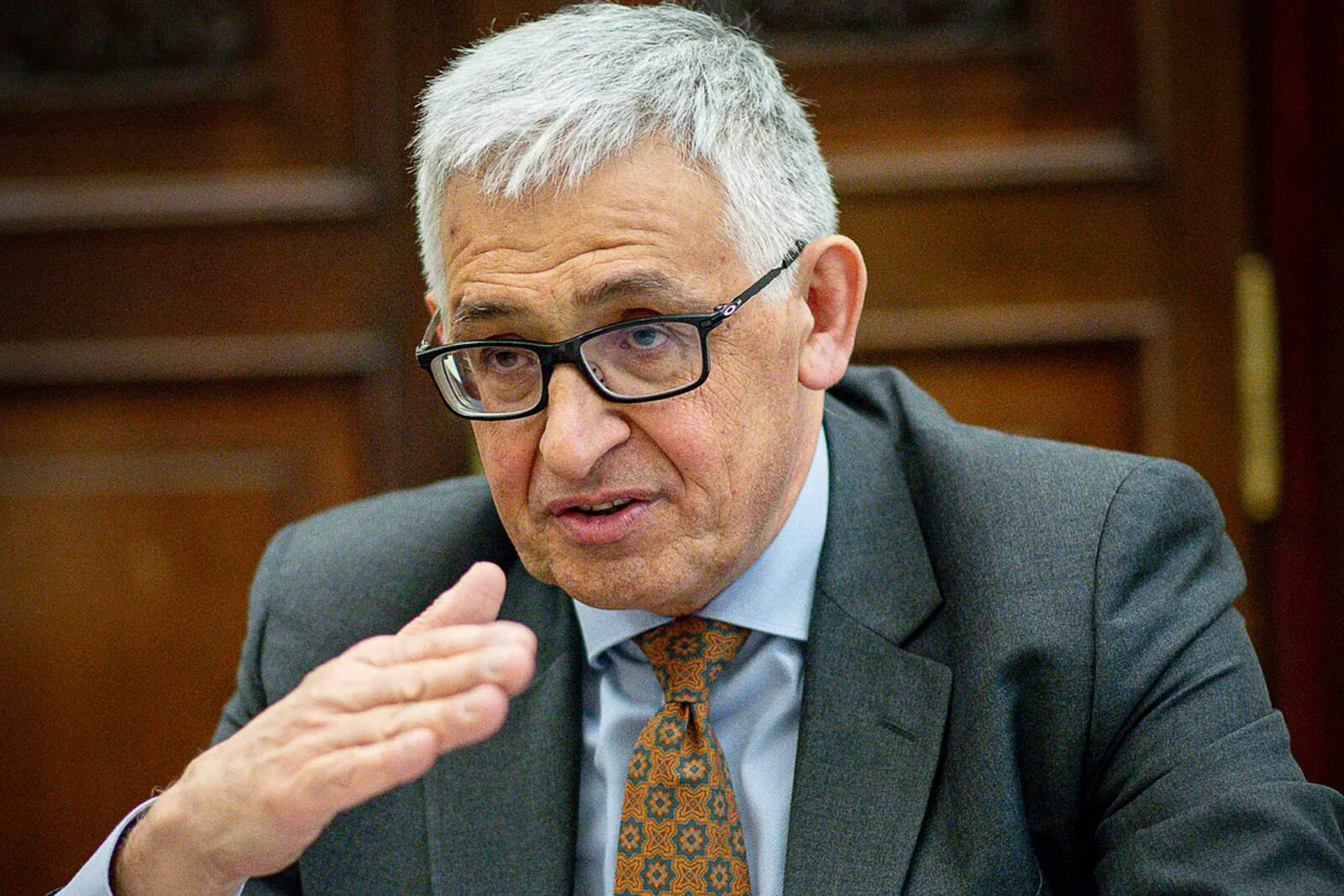
Piero Cipollone, member of the ECB Executive Board, stated during the Future of Finance event in Frankfurt that the digital euro has reached a"significant milestone" thanks to the agreement among eurozone finance ministers on holding limits. However, he acknowledged that it still faces major legislative hurdles: "We expect that by May 2026, Parliament will have a clear position".
Piero Cipollone - Miembro del Comité Ejecutivo del BCE.
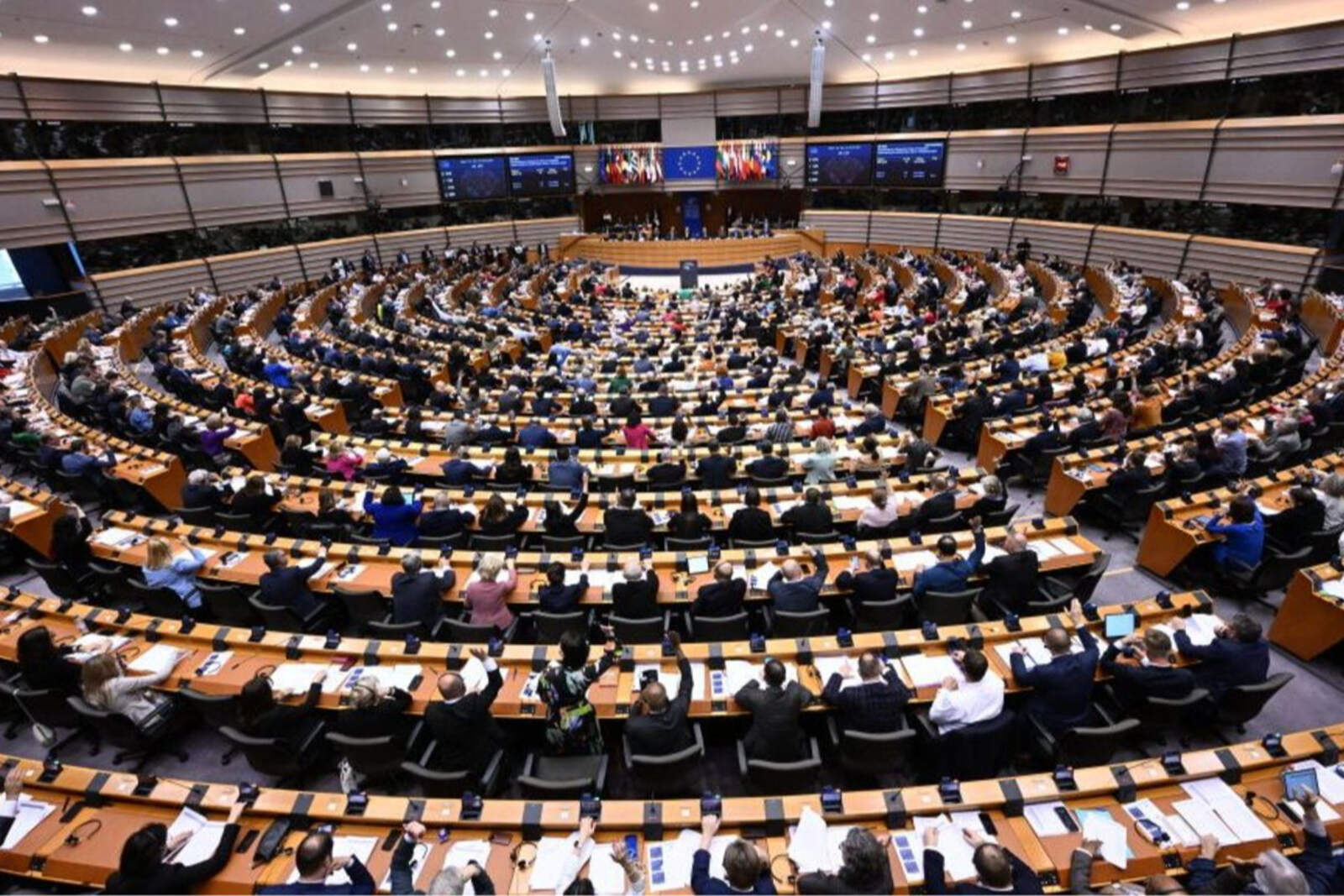
On October 24, a progress report will be presented and European lawmakers will have six weeks to propose amendments, in addition to five more months of debate.
Only then could the legal framework that would allow progress be defined. For Cipollone, "the discussion at the member state level is going very well", although he admitted that the main challenge is parliamentary approval.
The ECB keeps that the digital euro aims to reduce dependence on private companies such as Visa or PayPal in retail payments and curb the growth of dollar stablecoins. The proposal, according to Cipollone, seeks to "protect Europe's financial autonomy".
However, this argument also fuels criticism from those who believe that the digital currency represents a statist plan intended to limit the circulation of the dollar in the region and strengthen government control over individual finances.
Para Cipollone el principal desafío es la aprobación parlamentaria.
There is even consideration of using public blockchains such as Ethereum or Solanainstead of private networks, which highlights the technical uncertainty behind a project that has been in design for nearly ten years.
The president of the Eurogroup, Paschal Donohoe, defended the progress of the discussions by stating that "this commitment ensures there will be a broad debate before issuing the digital euro".
If implemented in 2029, the digital euro would reflect not only the technical and political challenges of the European Union, but also a move to centralize monetary power.
While it is presented as a modernization mechanism, in practice it would mean greater restrictions for citizens and a reduction of their financial freedom, consolidating a scheme in which the state gains power and users lose autonomy compared to the most in-demand global currency: the dollar.