As detailed by the Central Bank itself, the funds released were channeled by banks to the acquisition of longer-term bonds. This was a voluntary operation within the financial system, which did not involve additional issuance or a direct increase in






With activity on the rise, the Central Bank denied broadcasting and ratified its strategy.
As detailed by the Central Bank itself, the funds released were channeled by banks to the acquisition of longer-term bonds. This was a voluntary operation within the financial system, which did not involve additional issuance or a direct increase in





The director of the Central Bank, Martín Vauthier, came out to strongly deny the version that indicated that the Government was promoting a monetary issue to stimulate consumption and put upward pressure on the dollar. The clarification came after the dissemination of interpretations that linked the decline in lace with a supposed “injection of pesos
” into the economy.As explained by the official, there is no monetary expansion scheme for the purpose of reviving consumption. On the contrary, he noted that the Central Bank currently only issues pesos for the purchase of reserves, thus ruling out any use of monetary policy as a tool for short-term stimulus
.
The precision is no lower and seeks to deactivate a reading that began to circulate in the market and in some economic analyses. In this context, Vauthier described as “incorrect” the interpretation that the reduction in incomes implies greater liquidity
available for consumption.In technical terms, the measure is part of a monetary normalization process that had already been anticipated at the end of 2025. The decision consisted of not renewing part of the remunerated income, which allowed the financial instruments to be reordered without altering the monetary base
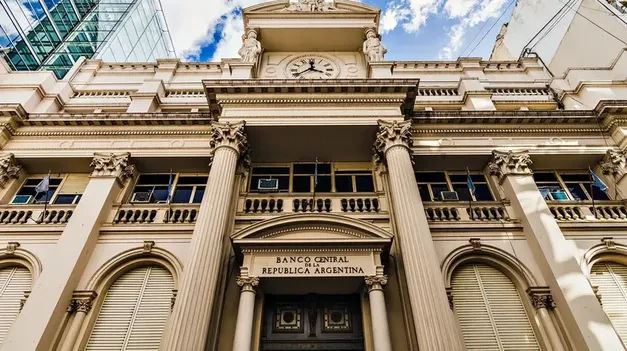
This point is key to differentiate between an expansionary policy—based on issuing money to boost demand—and a strategy of reorganizing monetary liabilities. In this case, the objective was focused on improving the profile of instruments in pesos and moving towards a more sustainable scheme.
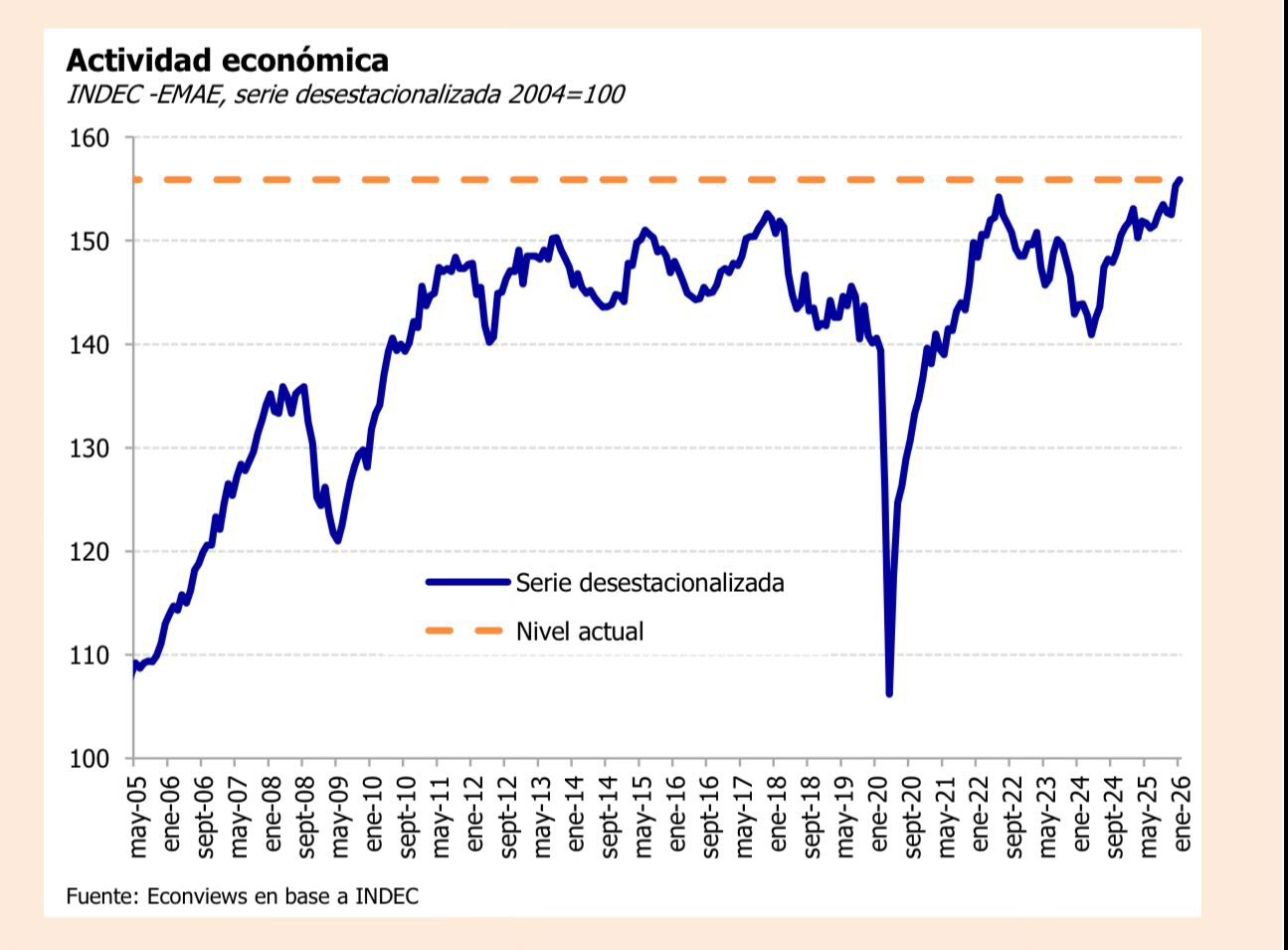
The official clarification comes in a context where economic activity is beginning to show signs of recovery. In January, the level of activity grew 0.4% compared to the previous month and accumulated a year-on-year increase of 1.9%, according to data from Indec. This performance occurs without resorting to emission mechanisms to stimulate consumption, reinforcing the change in approach compared to previous stages
.
In parallel, the drop in rates and the extension of deadlines observed in the market are linked to expectations of an inflationary slowdown and a reduction in country risk. These factors partly explain the rearrangement of instruments
in local currency.In this way, the Central Bank confirmed that the Government's economic strategy remains focused on fiscal discipline, reserve accumulation and nominal stability l. Far from a shift in monetary policy, the official message aims to consolidate a scheme that seeks to sustain the fall in inflation
.