The government is making progress toward its fiscal goal and is deactivating the political use of funds for governors
Nuevo
Agregar La Derecha Diario en
Compartir:
Discretionary transfers that the national government sends to the provinces reached their lowest level in two decades in November. The data confirm that non-automatic transfers totaled just $155.849 billion, which means a real year-on-year drop of 32.3% and the lowest November since 2005.
The Minister of Economy, Luis "Toto" Caputo, is thus deepening the fiscal strategy that the government outlined before taking office: ending the political use of national resources and organizing a system that for years operated as a tool of pressure or reward. The adjustment to these transfers is part of the President's commitment to eliminate discretionary practices that distorted the relationship between the Nation and the provinces.
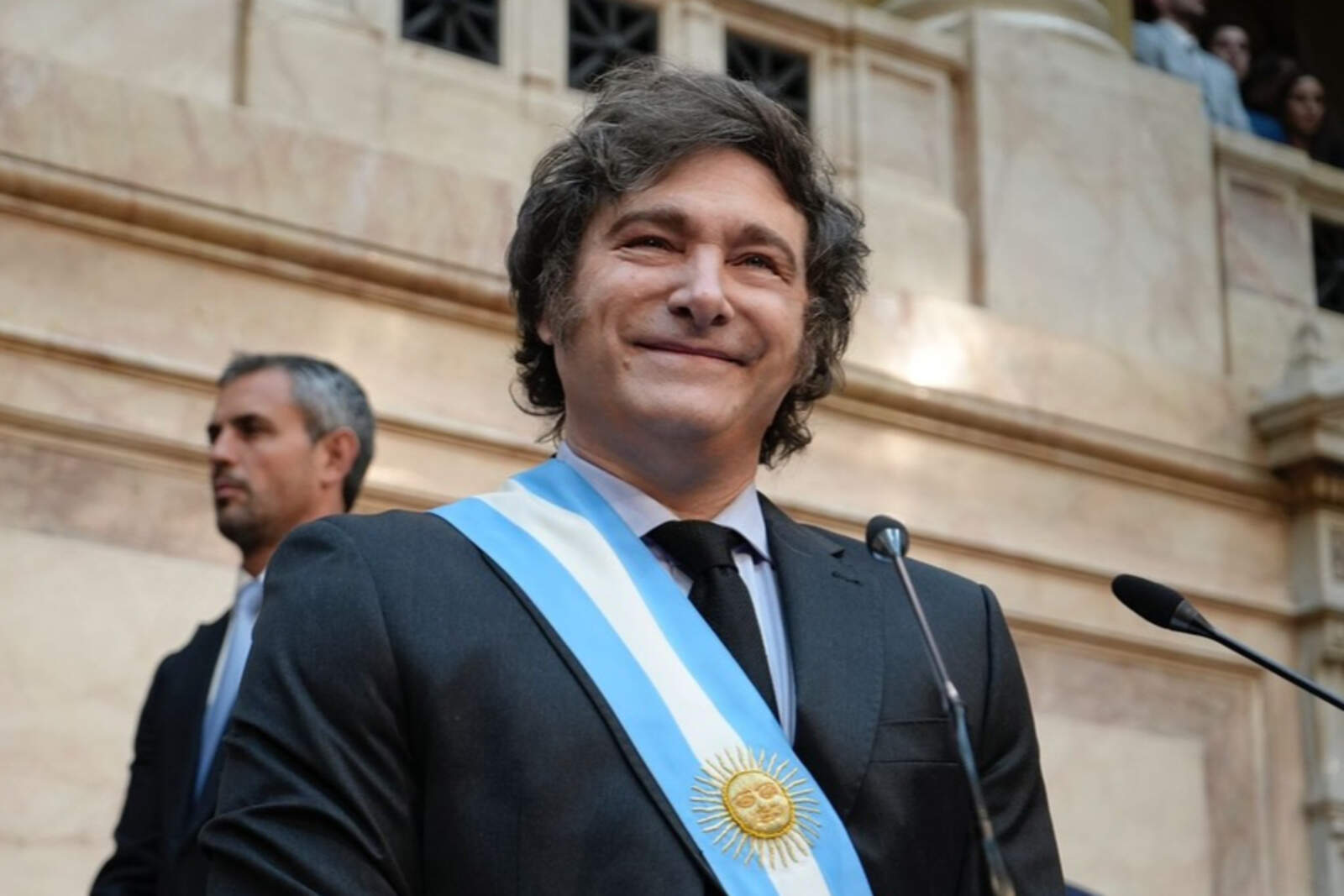
Javier Milei y Luis Caputo.
One of the most striking data points in November was the sharp cut to Buenos Aires City, whose transfers fell 64% in real year-on-year terms. CABA receives these funds due to a Supreme Court injunction resulting from the cut decided by Alberto Fernández in 2020; while the final ruling is still pending, those transfers remain within the discretionary category. In November, they totaled just $48.627 billion.
The composition of the transfers also shows the exceptional nature of the month: $40 billion were allocated to comply with the Supreme Court injunction; another $22.212 billion went to the Extended School Day; and $18.266 billion to the gas production incentive. The rest was distributed among hospitals, pension funds, and smaller programs.
For the first time after the elections, there were no National Treasury Contributions (ATN), the most discretionary tool in the system. Starting in 2026, moreover, ATN will practically cease to exist as a political instrument, since a law promoted by opposition sectors and supported by governors establishes that this fund will be distributed automatically. Javier Milei.
What in 2023 some analysts described as "the end of the bargaining chip between Casa Rosada and governors" is now materializing: a system where the provinces must balance their accounts without expecting discretionary bailouts and where fiscal policy is once again governed by clear and predictable rules.
The old structure of rewards, punishments, and quasi-currencies that enabled waste for decades is being dismantled, and the government is moving forward with the objective that the President himself defined as non-negotiable: macroeconomic stability as a condition for sustainable growth.