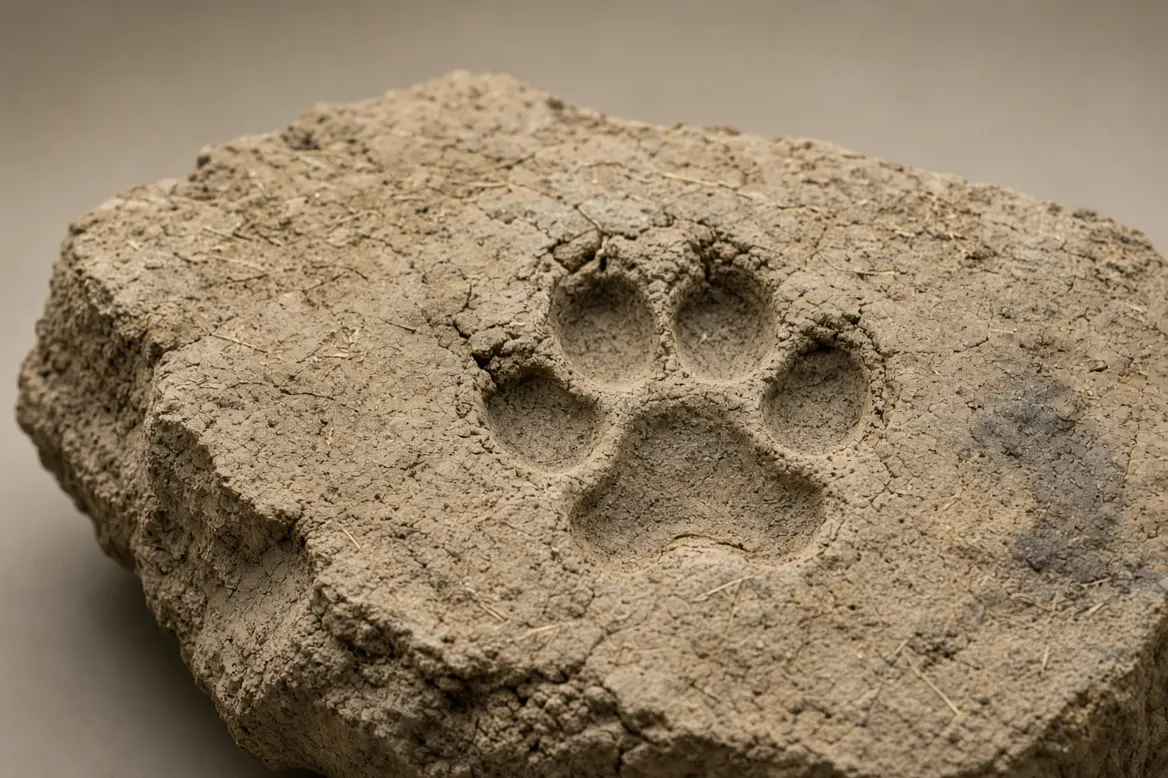
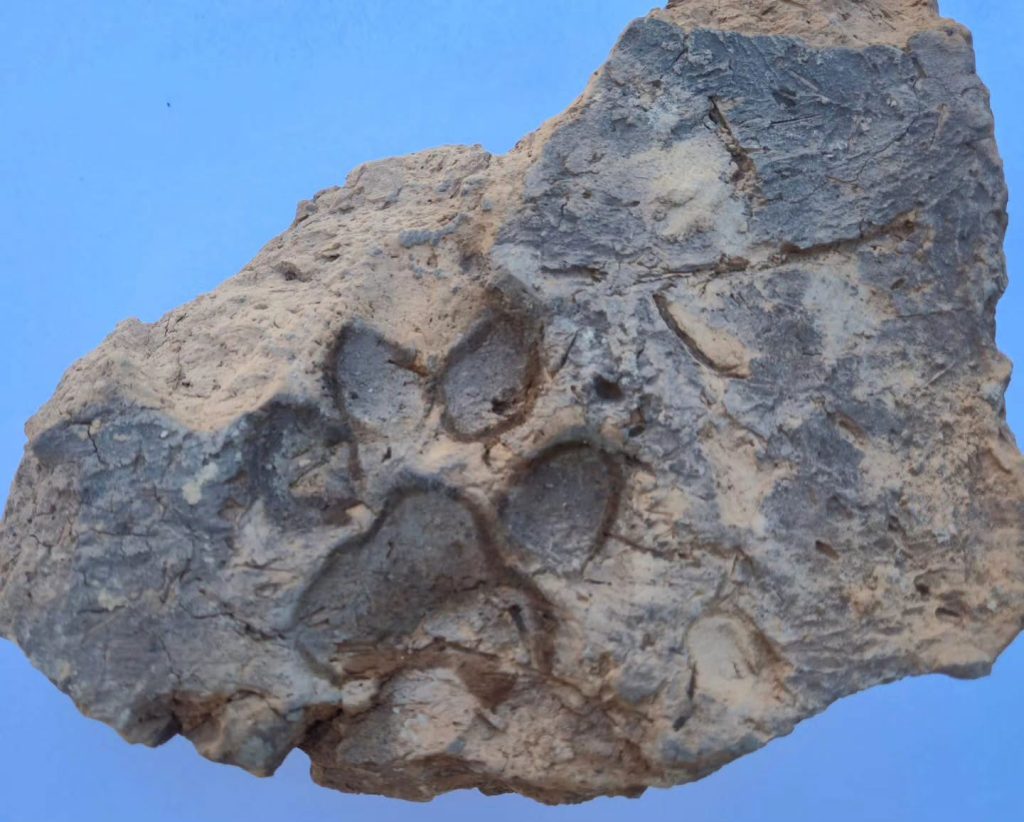
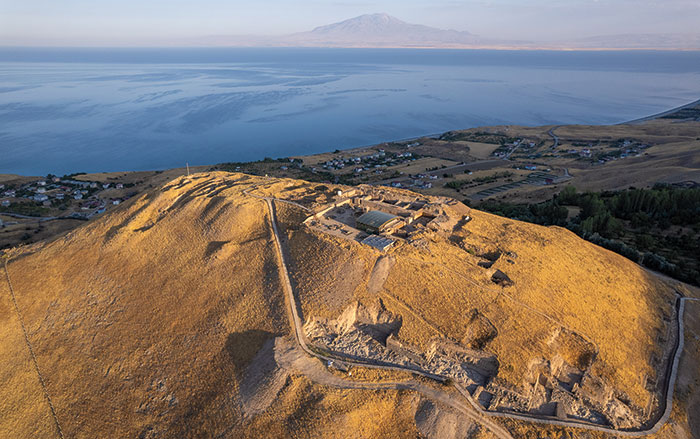
A team of archaeologists found paw prints approximately 4000 years old imprinted in adobe bricks at the Tavşanlı Höyük site, a settlement mound located in Kütahya province in western Anatolia. The marks were recorded in materials that were part of a wall that collapsed during a fire that occurred in the Bronze Age.
The site has an occupation that dates back about 8000 years. The sun-dried bricks preserved the prints clearly. According to Mehmet Nuri Ersoy, Turkey's Minister of Culture and Tourism, the impressions belong to a dog.
The discovery is part of excavations led by Erkan Fidan from Bilecik Şeyh Edebali University. In addition to the adobe bricks with the marks, the team recovered pottery, bones, charred wood, and flint pieces in the same sector of the site.
The prints were sealed when the mud was still fresh, and the animal walked over the bricks before they dried completely. The subsequent fire and the collapse of the structure helped preserve them to the present day.
A daily testimony of ancient life
This type of evidence offers a direct window into the coexistence between humans and animals in early Anatolian communities. Dogs had already been accompanying the populations of the region for several millennia, and their occasional tracks were accidentally recorded in construction materials.
Researchers emphasize that the state of preservation of the adobes allows for detailed observation of the shape of the paws. The collection of findings—pottery, bone remains, and burned wood—provides additional information about daily activities and catastrophic events that affected the settlement.
Tavşanlı Höyük thus confirms itself as a key location for understanding the sequence of occupation in western Anatolia. The Bronze Age layers reveal not only architecture and material culture but also minor details that humanize the past, such as the passage of a dog over a construction site.
The discovery adds to other similar cases where canine tracks were fixed in ancient bricks. In this case, the combination of fresh mud, the animal's passage, and the subsequent fire created an exceptional record that archaeologists were able to recover almost intact.
Context of the site and next steps
Excavations continue at the mound. Fidan's team is working on the systematic documentation of the structures and materials associated with the fire. Each piece of adobe, pottery, or bone provides data about the organization of space and the processes of destruction and abandonment that marked that phase of the site.
The identification of the prints as belonging to a dog, confirmed by Turkish cultural authorities, reinforces the idea that these animals were a regular part of the domestic and working environment in the villages of the time. The marks are not a decorative or ritual element but an accidental trace preserved by time.
With these findings, Tavşanlı Höyük adds another chapter to the history of interactions between humans and animals in Anatolia. Researchers will continue analyzing the recovered materials to establish dates and better understand the conditions under which both the wall construction and the fire that brought it down occurred.
The record of these 4000-year-old prints offers an intimate and everyday detail that is rarely preserved. A simple step of a dog on fresh mud became, millennia later, a first-rate archaeological document.