The President of the United States announced that his Chinese counterpart had formally invited him and that they would also hold meetings in South Korea
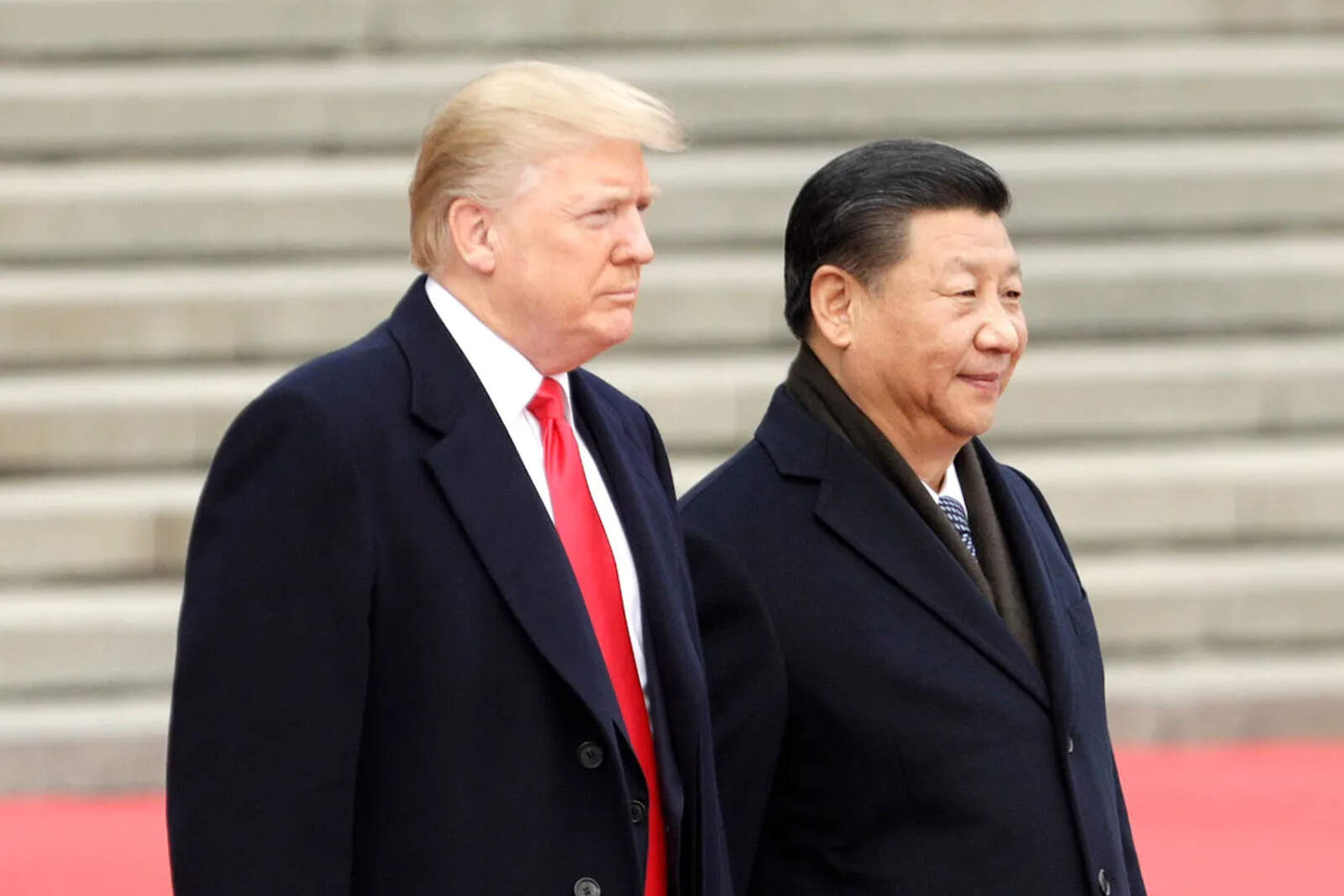
The president of the United States, Donald Trump, announced that he has been officially invited by China and plans to visit the country early next year. The statement was made during a press conference at the White House, where Trump also revealed that he will meet with his Chinese counterpart, Xi Jinping, in South Korea in a couple of weeks to negotiate a "fair deal" amid growing trade tensions between the two powers.
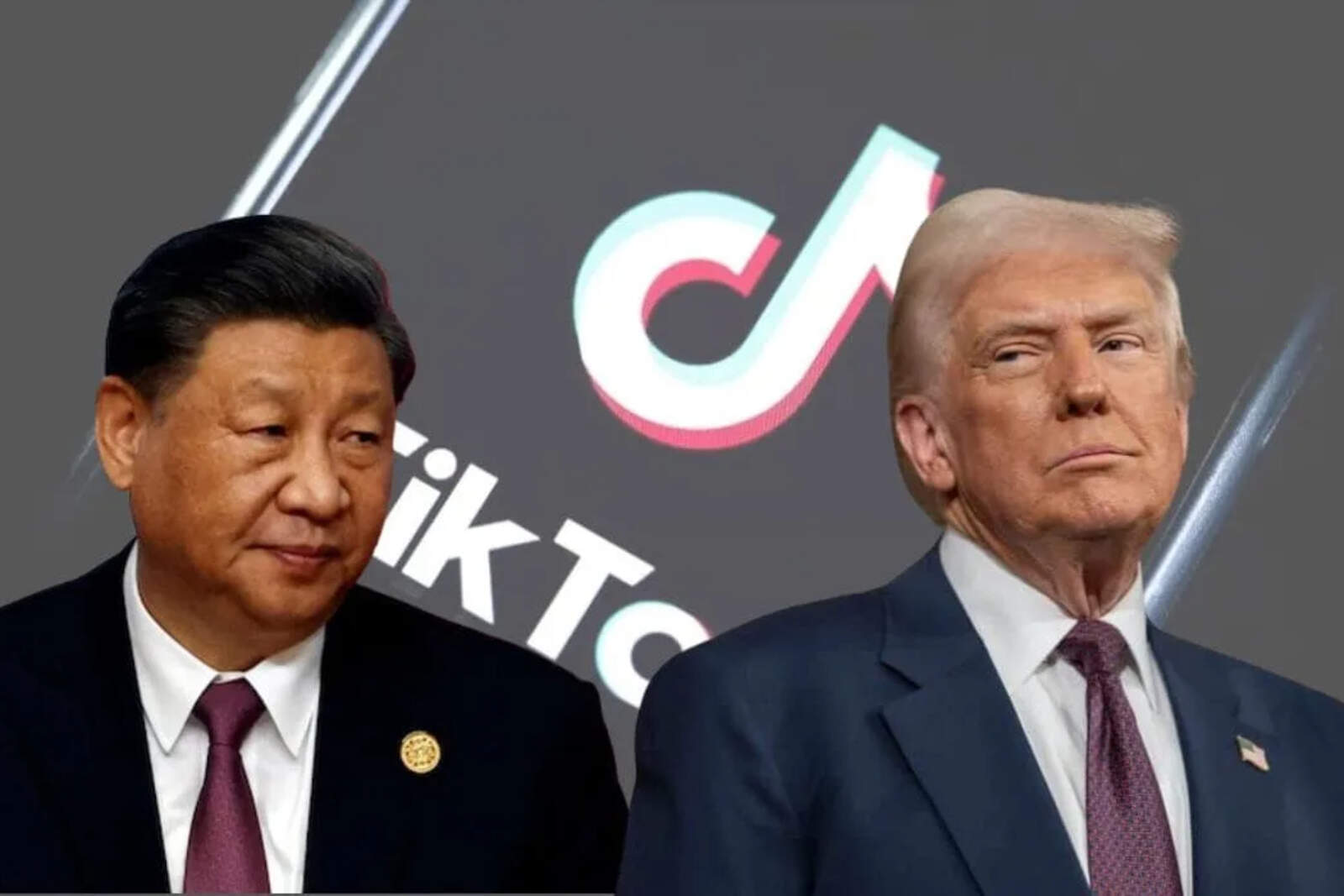
Trump expressed optimism regarding his relationship with Xi Jinping, despite recent clashes between Washington and Beijing. The previous week, China imposed new restrictions on the export of rare earths, while Trump threatened to increase tariffs on Chinese products by up to 100%.
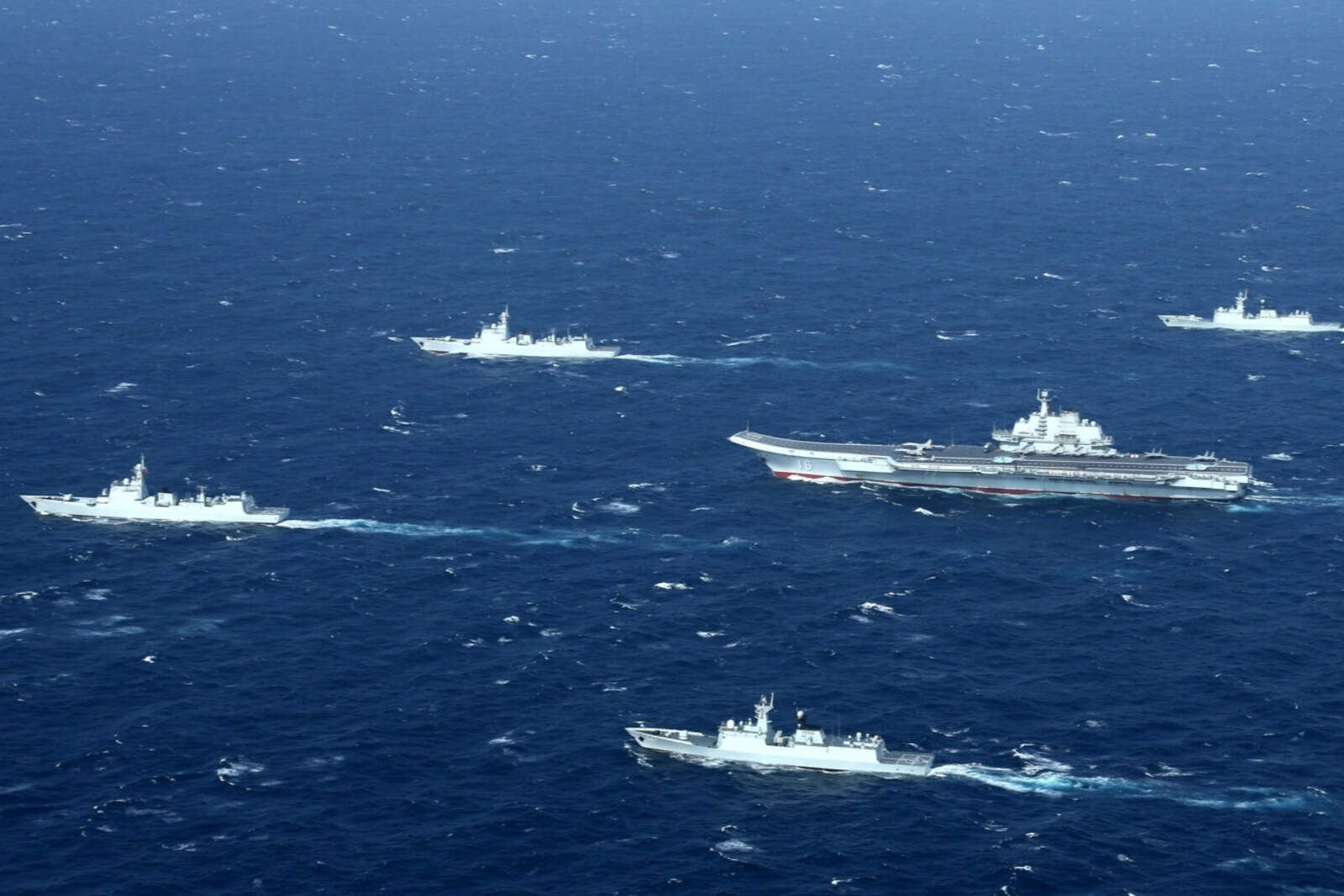
Despite this context, the president stated: "I think we'll be fine with China. China doesn't want to do that", referring to a possible invasion of Taiwan, downplaying recent warnings from the Pentagon that pointed to a possible Chinese attempt to take the island by 2027.
Trump anunció que también mantendrá una reunión con el chino en Corea del Sur
Trump also avoided responding directly whether he would be willing to sacrifice U.S. support for Taiwan as part of a possible agreement with Xi. However, he reiterated the military strength of the United States as a deterrent factor. "Nobody's going to mess with that," he said.
Trump also expressed his desire for China to resume purchases of U.S. soybeans, a key export that has suffered sharp declines during the trade war. Following his statements, soybean futures on the Chicago Board of Trade reached their highest level in a month, which renewed hopes among Midwest farmers, Trump's traditional electoral base.
In addition to the meeting in South Korea, Trump revealed that he will embark on an Asian tour this week, with stops in Malaysia, Japan, and other countries. In Malaysia, he is expected to participate in the Association of Southeast Asian Nations (ASEAN) summit, where he will be accompanied by a U.S. delegation. He also commented that Australian Prime Minister Anthony Albanese invited him to visit Australia, a proposal he described as "a real possibility."
La cuestión de China con Taiwán es uno de los principales puntos de desacuerdo entre ambas potencias
The geopolitical context between the United States and China remains tense, especially regarding the issue of Taiwan. China considers the island, which separated from the mainland after the civil war in 1949, part of its territory and has not ruled out the use of force to reunify it.
In response, the United States keeps an ambiguous policy: although it doesn't recognize Taiwan as an independent country, it is its main international ally and arms supplier, in accordance with U.S. law.
Taiwanese president, William Lai Ching-te, recently pledged to strengthen the island's air defense system and increase military spending to confront hostile threats. Tensions frequently rise due to Chinese military maneuvers in the area.
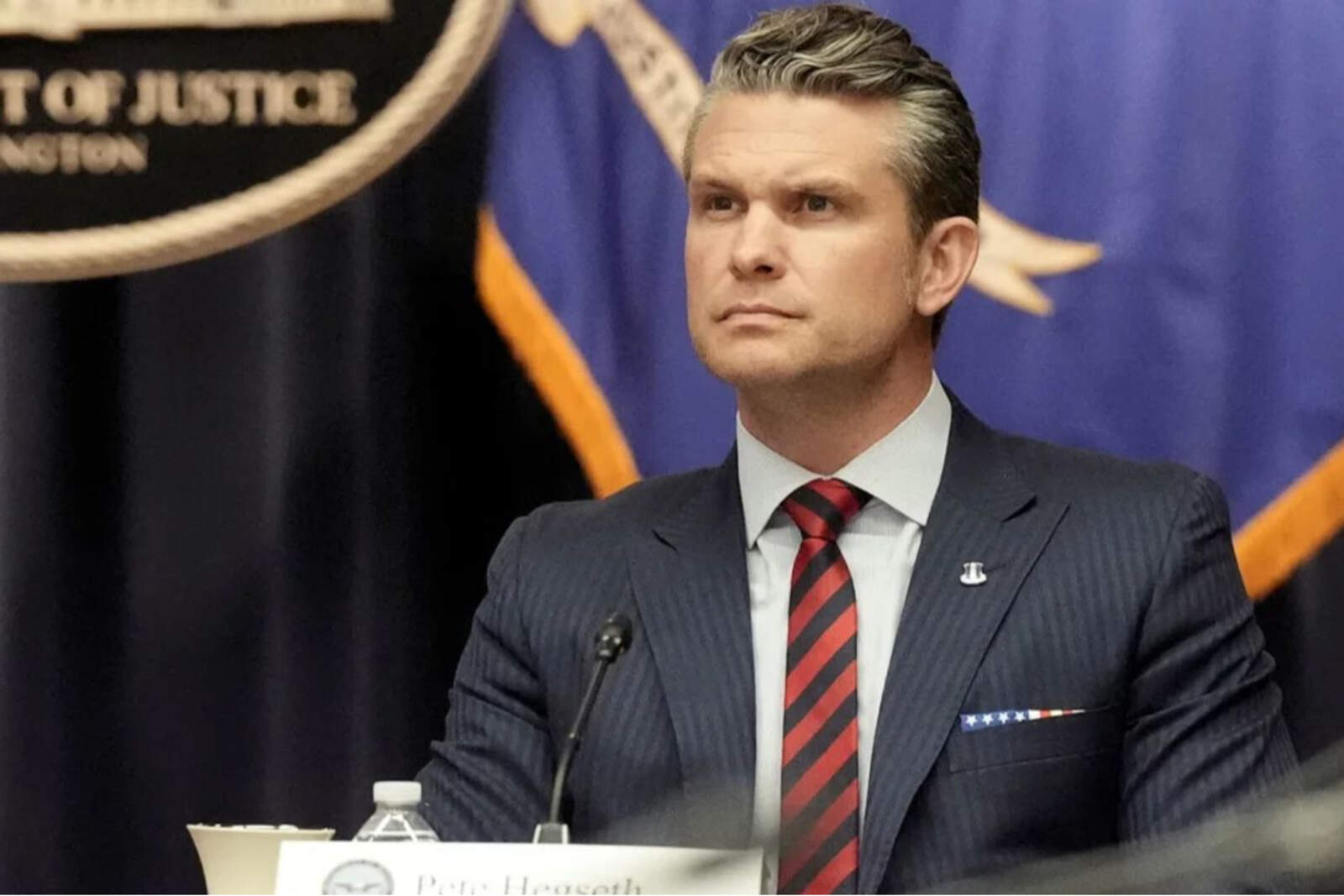
Meanwhile, China's Ministry of Foreign Affairs warned the United States not to use the Taiwan issue as a tool to contain Beijing and accused it of "playing with fire." These statements came after U.S. Secretary of Defense, Pete Hegseth, described China as a "threat to the region" during the Shangri-La Dialogue in Singapore in June.
El secretario de Guerra estadounidense calificó a China como una amenaza para el sudeste asiático