The National Chamber of Industry (CNI) has pointed out that the lack of dollars is causing a contraction in imports. Companies have had to resort to unconventional methods to obtain foreign currency, but these alternatives are not sufficient. The shortage of dollars places companies in a difficult situation, as they can't acquire the necessary inputs to continue their production.
However, the authorities of the Masista regime have assured that they are working to find solutions to this crisis. However, the measures adopted so far do not seem to be enough to alleviate the situation. The lack of a clear and effective policy has caused frustration among businesspeople due to the lack of access to foreign currency.
The problems with access to dollars have also affected people living outside the country or who need to make international payments. In some banks, the limits for using debit and credit cards abroad have been drastically reduced. In certain cases, users can only make payments in stores of up to 50 dollars per month, severely limiting their ability to operate abroad.
Is the regime only trying to downplay the severity of the problem?
La ASFI ha justificado sus medidas coercitivas
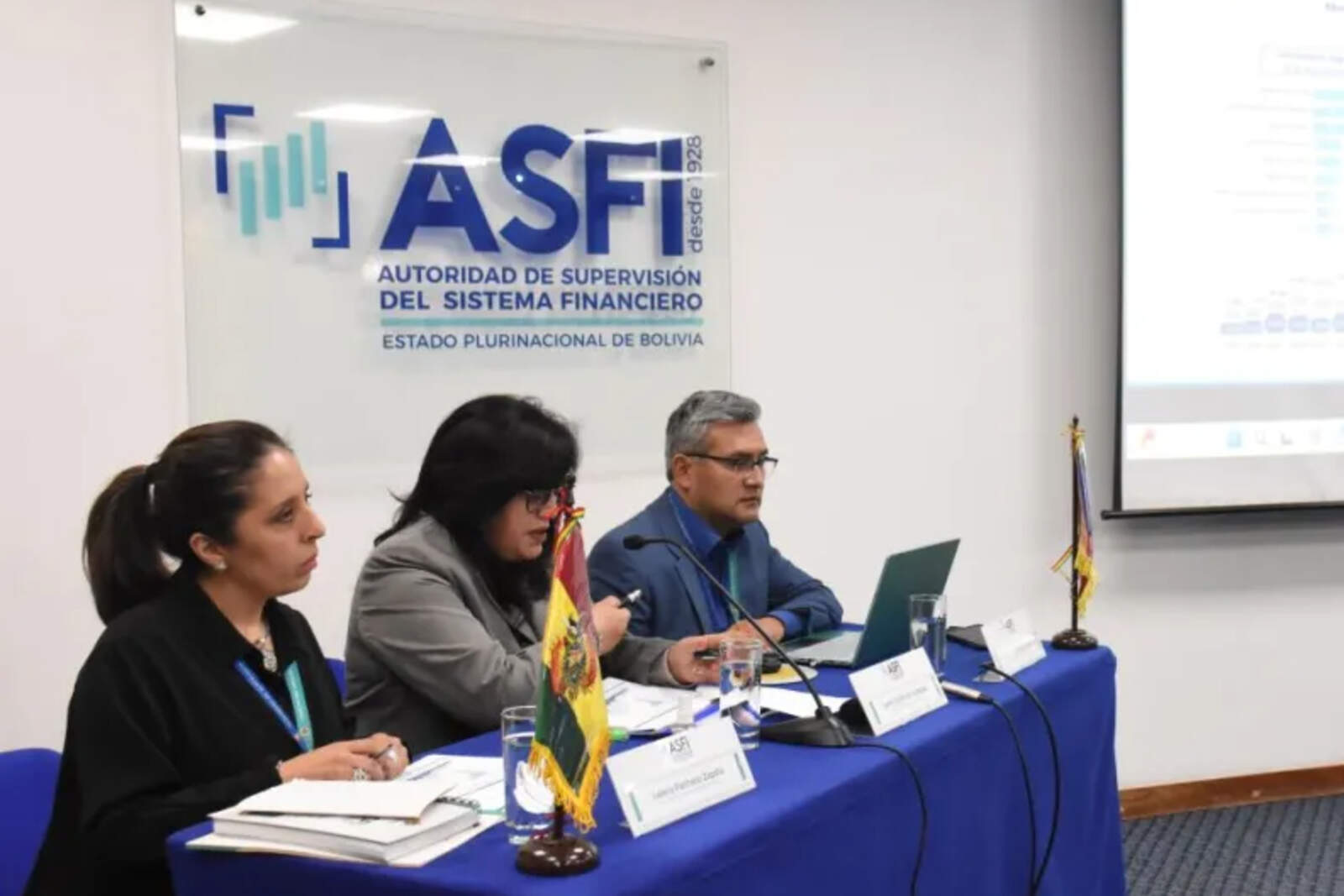
The Financial System Supervision Authority (ASFI) has tried to justify itself. The entity indicated that these restrictions are due to an increase in the use of cards for making international payments. However, many analysts believe that these measures are affecting the economic freedom of citizens and companies.
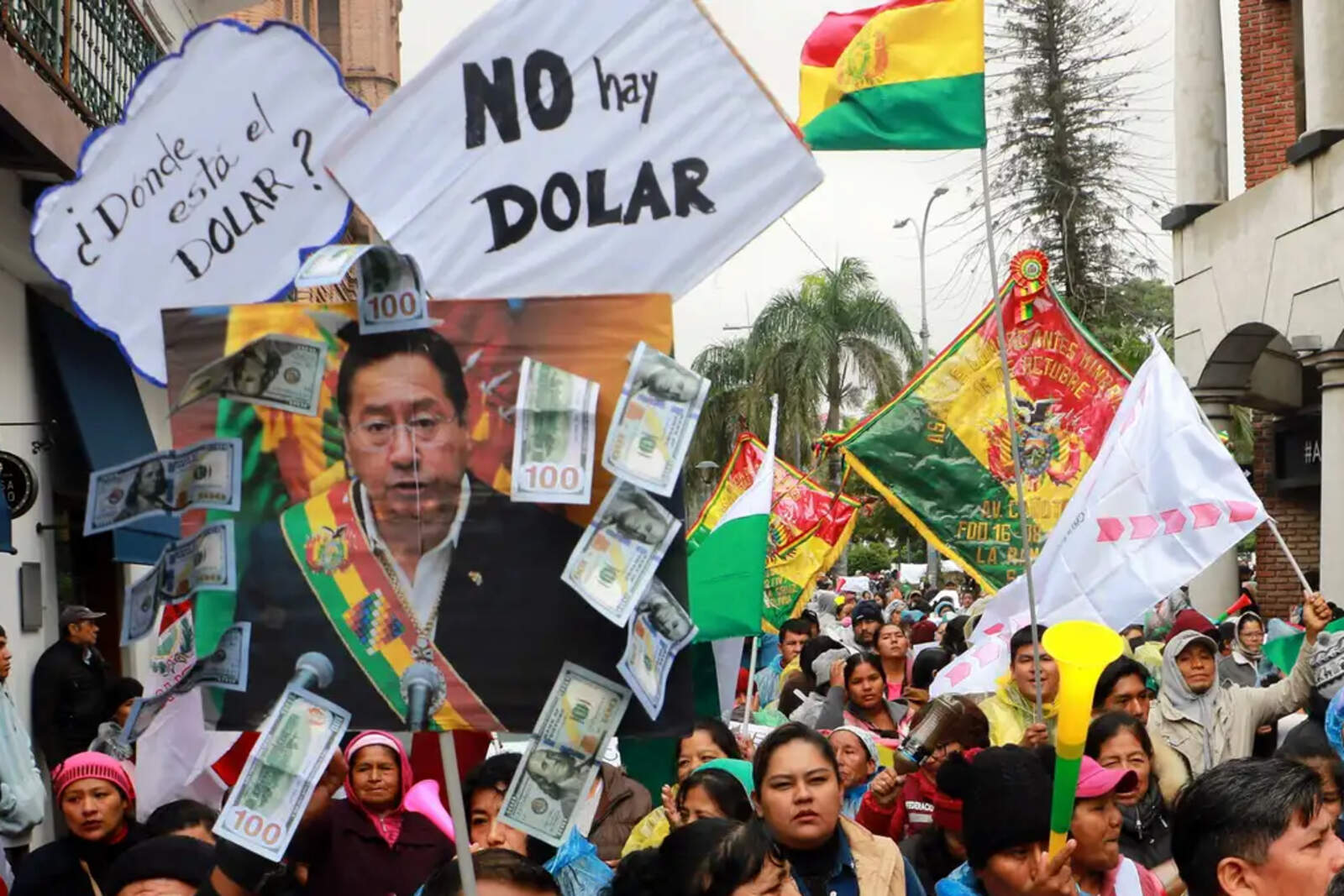
The lack of dollars and banking restrictions are creating a climate of economic insecurity in the country. The impact of this economic crisis is visible in the daily lives of Bolivians. The shortage of foreign currency has led to a rise in the price of imported products and has caused inflation that affects all sectors of the population.
Amid this situation, businesspeople in Cochabamba have requested the Government to take urgent measures to solve the crisis. Banking restrictions are severely affecting economic activity, and without adequate access to foreign currency, it is difficult for companies to continue operating. ICAM has requested that businesspeople be allowed to access their savings in dollars without restrictions.
Finally, businesspeople have called for solidarity and joint action to overcome this crisis. Meanwhile, banking restrictions continue to affect Cochabamba and the entire country. Without an effective solution, the situation could worsen even further, generating greater economic uncertainty.
Businesspeople in Cochabamba have expressed their concern about banking restrictions that hinder access to their funds in dollars. According to the Chamber of Industry, Commerce, and Services of Cochabamba (ICAM), these limitations are severely affecting commercial activities. The situation has created a climate of uncertainty in the business sector, which faces serious difficulties in operating normally.
Amílcar Rocha, president of ICAM, denounced that the restrictions go beyond mere inconveniences. Many businesspeople can't withdraw their savings in dollars even to make important payments. This situation is affecting the daily transactions of companies, putting their operations and economic viability at risk.
Rocha explained that businesspeople have attempted to withdraw small amounts of money from their bank accounts but encounter multiple obstacles. "We can't use our dollars. The restrictions are absolute," he indicated with concern.
Additionally, Rocha pointed out that the restrictions are also limiting the use of credit cards for making purchases or paying for services. This has complicated the operation of many companies. The situation has become unsustainable for a sector already facing various economic difficulties.
Has the problem been normalizing?
La escasez inicio el 2023
The problem of banking restrictions is not new. In recent months, many companies have had to adapt to a system that hinders the circulation of dollars. According to economic analysts, the shortage of dollars in Bolivia has led to an increase in complaints from citizens and businesspeople.
The Bolivian Commercial Code establishes that obligations contracted in foreign currency must be covered in that currency when possible. However, in practice, banks are forcing clients to receive their savings in bolivianos. This has caused a devaluation of the funds, which lose around 40% of their value when converted to bolivianos.
The economic crisis in Bolivia has worsened the situation. The shortage of dollars became more evident at the beginning of 2023, when the Central Bank of Bolivia stopped providing foreign currency to banks. This forced financial institutions to impose increasingly severe restrictions, affecting both citizens and companies.