The US imposed restrictions on companies and operators that facilitated money movements for the Islamic State in Europe, the Middle East, and West Africa, with the aim of dismantling the terrorist group's financial networks
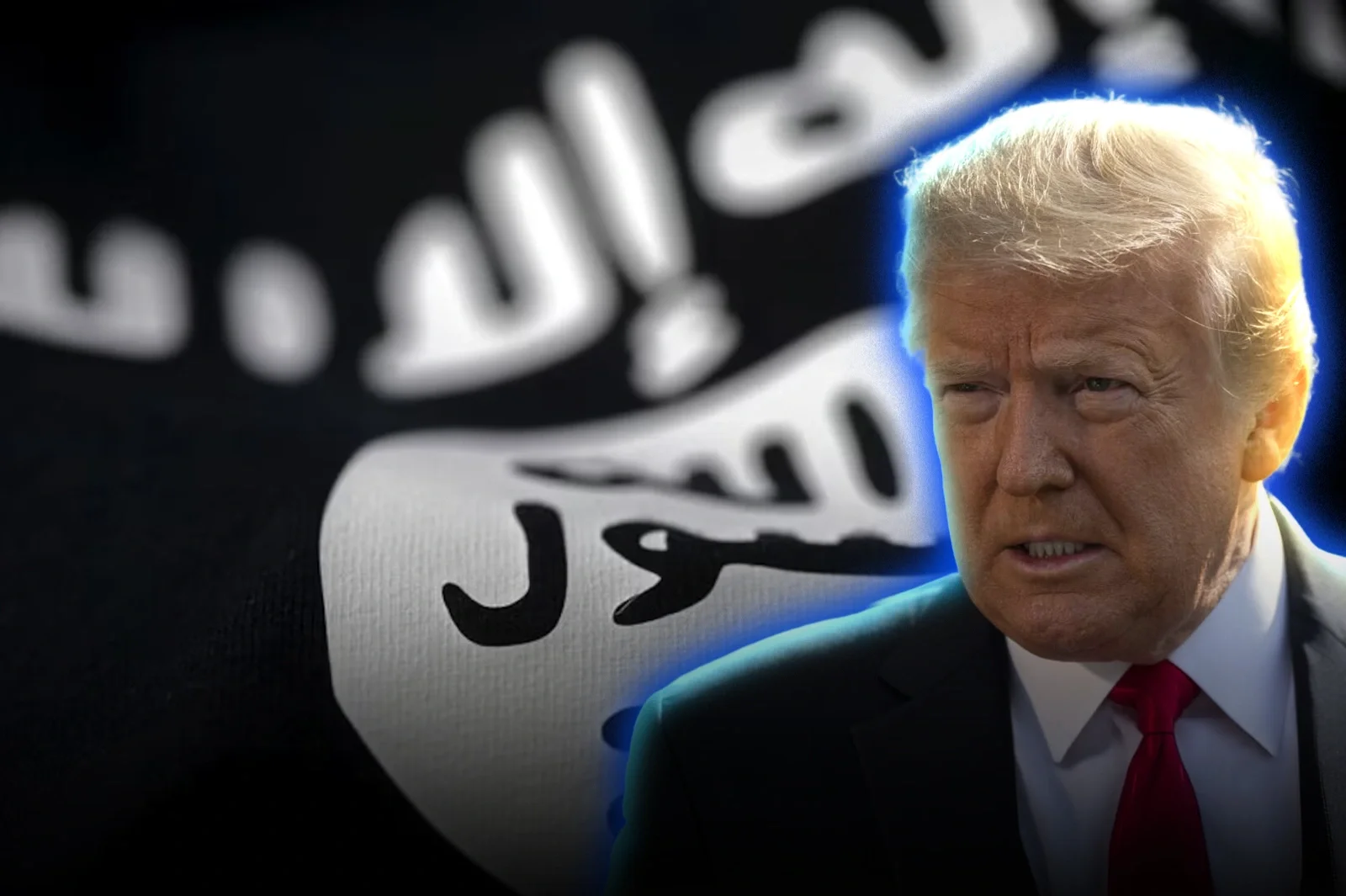
The United States once again demonstrates that there will be no mercy for the financiers of Islamic radicalism. The U.S. Department of the TreasuryUnited States, under an administration that prioritizes national security over globalism, has dealt a devastating blow to the networks of international terrorism. This Monday, relentless sanctions were imposed against three individuals and six companies operating in Europe, The Middle East, and West Africa for being the cogs that facilitate the financial transactions of the Islamic State (ISIS).
The action, executed by the Office of Foreign Assets Control (OFAC), immediately blocks any assets under U.S. jurisdiction and prohibits any commercial dealings with these enemies of freedom. According to the official statement from the Treasury, “this action targets key facilitators that allow ISIS to move funds between its regional affiliates”.
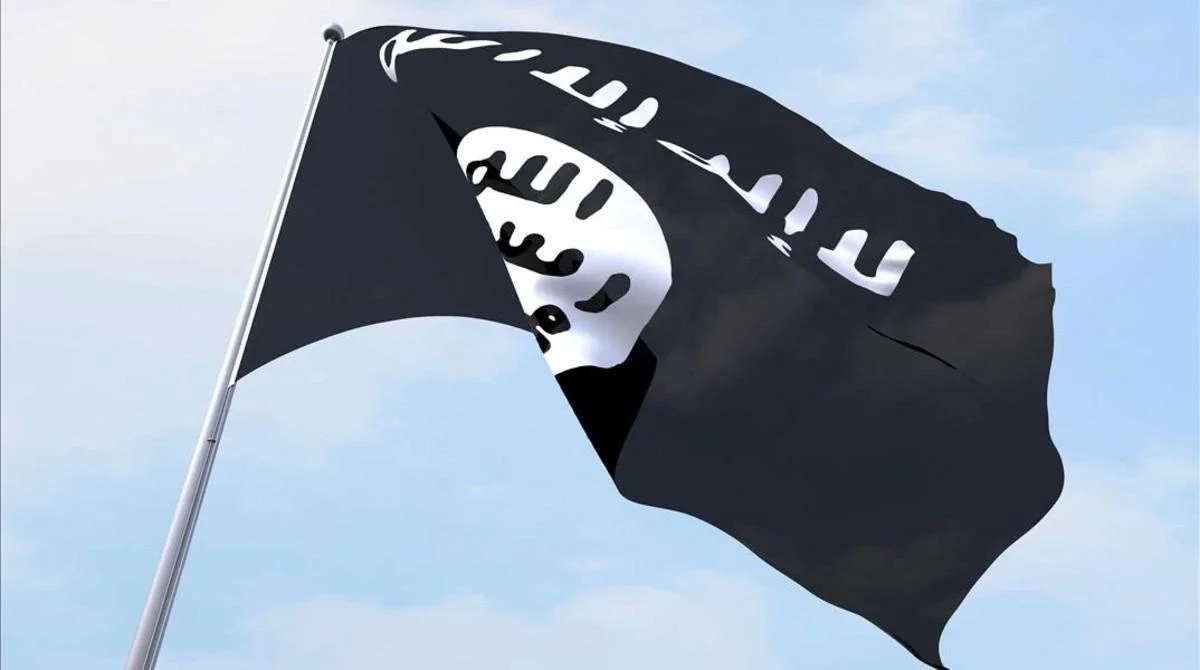
Flag of the Islamic State
The rot in the old continent, fueled by decades of permissive policies from leftist sectors, is exposed with the identity of those sanctioned on European soil. Among them stands out Miloud Abderrahmane, a French national residing in France, who not only moved money for the terrorist network but is also accused of having “provided instructions on explosive manufacturing to supporters of the group”.
His case is a vivid example of the danger lurking in European capitals: a mixed facilitator who transfers operational knowledge to kill from within the system. Additionally, Abdelhakim Boukich was identified, a former Dutch citizen now residing in Syria, who founded the company Bitcoin Xchange in 2020.
Through this firm, also sanctioned, funds from ISIS associates originating from Norway, Belgium, The Netherlands, South Africa, and the United States would have been transferred, evidencing the use of cryptocurrencies to evade traditional banking system controls.
The network of Islamic financing extends like a cancer that the Trump administration is determined to excise. In Turkey, the Treasury focused on Spider Gayrimenkul Ve Genel Ticaret Limited Sirketi and Alkaram Danismanlik Gayrimenkul Ic Ve Dis Genel Ticaret Limited Sirketi, two money service firms that acted as transfer nodes taking advantage of Turkey's geographical position as a bridge to Europe and Central Asia.
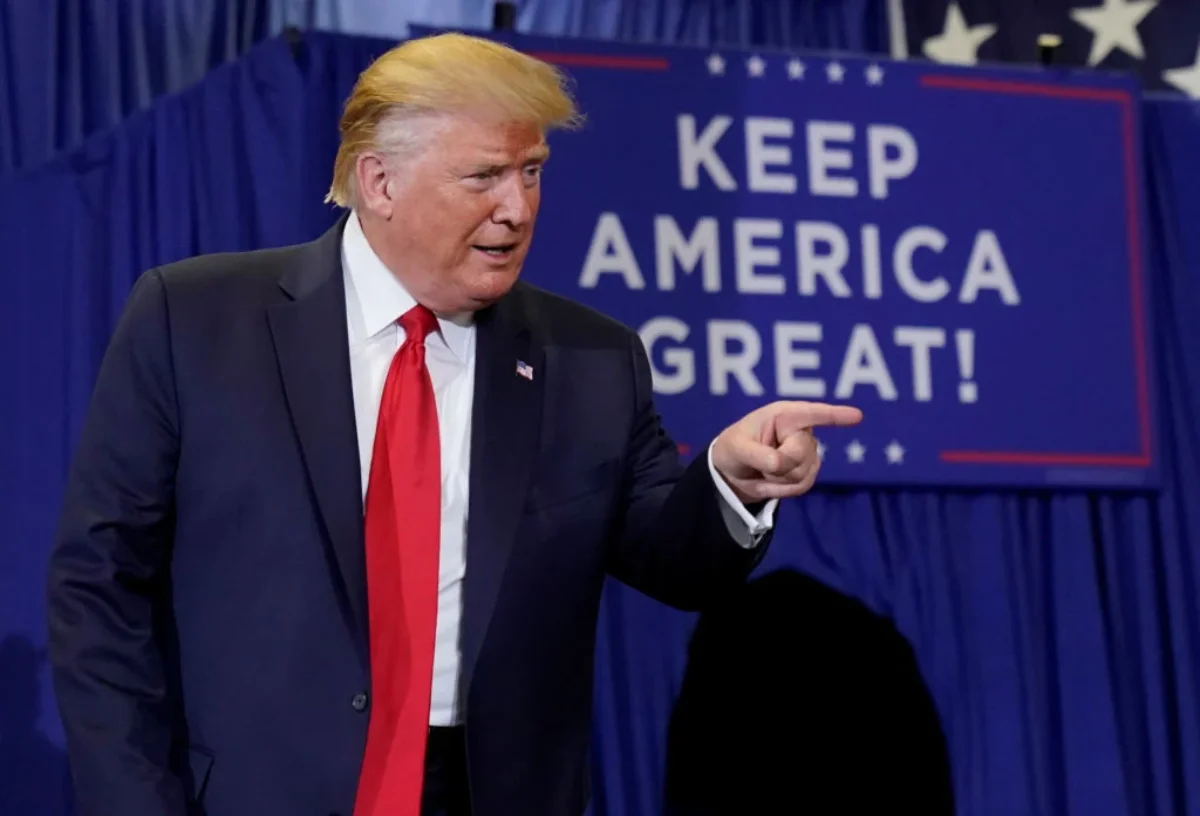
Donald Trump
On the other hand, in Nigeria, the sanctioned individual was Mukhtar Adamu Muhammad, who operated for the Islamic State in West Africa (ISWA) through three exchange houses: Nine to Nine Exchange Bureau de Change Limited, Manhattan Bureau de Change Limited, and Generation Currency Bureau de Change Limited, all included in the sanctions package.
This offensive from Washington is part of a comprehensive strategy to dismantle the financial structures that ISIS has decentralized since the fall of its caliphate in 2019.
Despite the barbaric group continuing to generate income through extortion, kidnappings, and trafficking of natural resources, the United States has made it clear that financial facilitators have “allowed the terrorist group to operate in various regions of the world simultaneously,” and that this impunity has come to an end. While others look the other way, the government of Donald Trump reaffirms that the only way to combat terrorism is to hit them where it hurts the most: in their financing.