The 28-Point Plan designed by Donald Trump to reach a peace agreement between Ukraine and Russia is advancing under intense simultaneous pressure. On one side, the Kremlin, determined to preserve its territorial gains. On the other side, Kyiv, which refuses to cede sovereignty and relies on the explicit support of the European Union and the United Kingdom.
Trump insists on achieving an armistice between the parties, but the gap between Putin's and Zelensky's demands threatens to turn the proposal into a diplomatic exercise with no real viability. The most contentious point is number 21, which involves territorial concessions that Ukraine is not willing to accept.
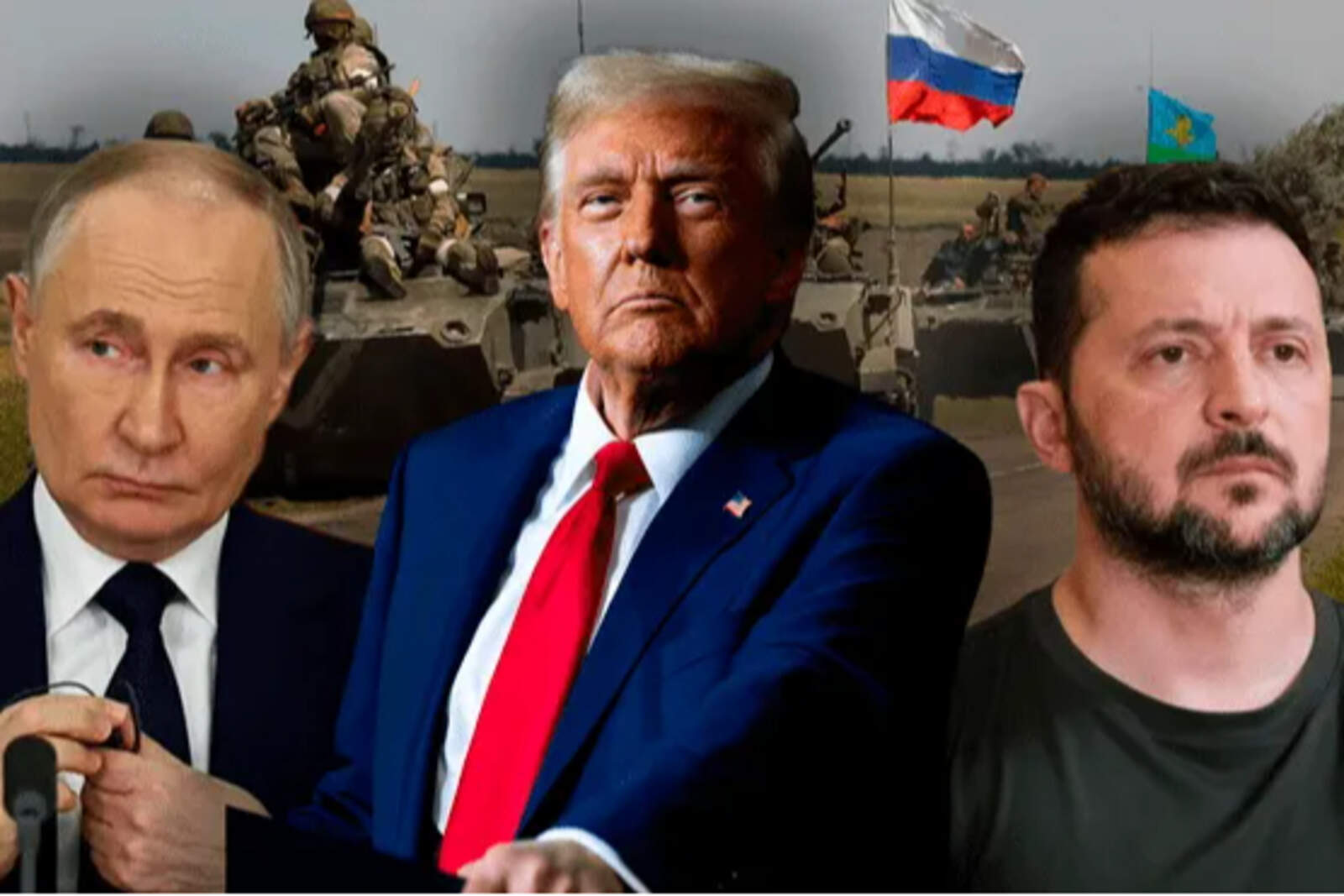
Donald Trump, Vladimir Putin y Volodímir Zelensky.
The most controversial point of the plan
Point 21 states that Crimea, Luhansk, and Donetsk would be recognized de facto as Russian territories, even by the United States. It also proposes freezing Kherson and Zaporizhia along the line of contact and provides for a withdrawal of Ukrainian troops from the part of Donetsk oblast still under Kyiv's control.
That area would become a "neutral and demilitarized" zone, recognized as belonging to the Russian Federation, although Moscow would commit not to enter it.
Putin has already warned that this point will not be renegotiated. His envoys, Kirill Dmitriev and Yuri Ushakov, conveyed that position to Washington. In response, Steve Witkoff—United States special representative for Ukraine and Russia—and Jared Kushner will travel to Moscow to try to break the Kremlin's intransigence.
Putin's new demands on Ukrainian security
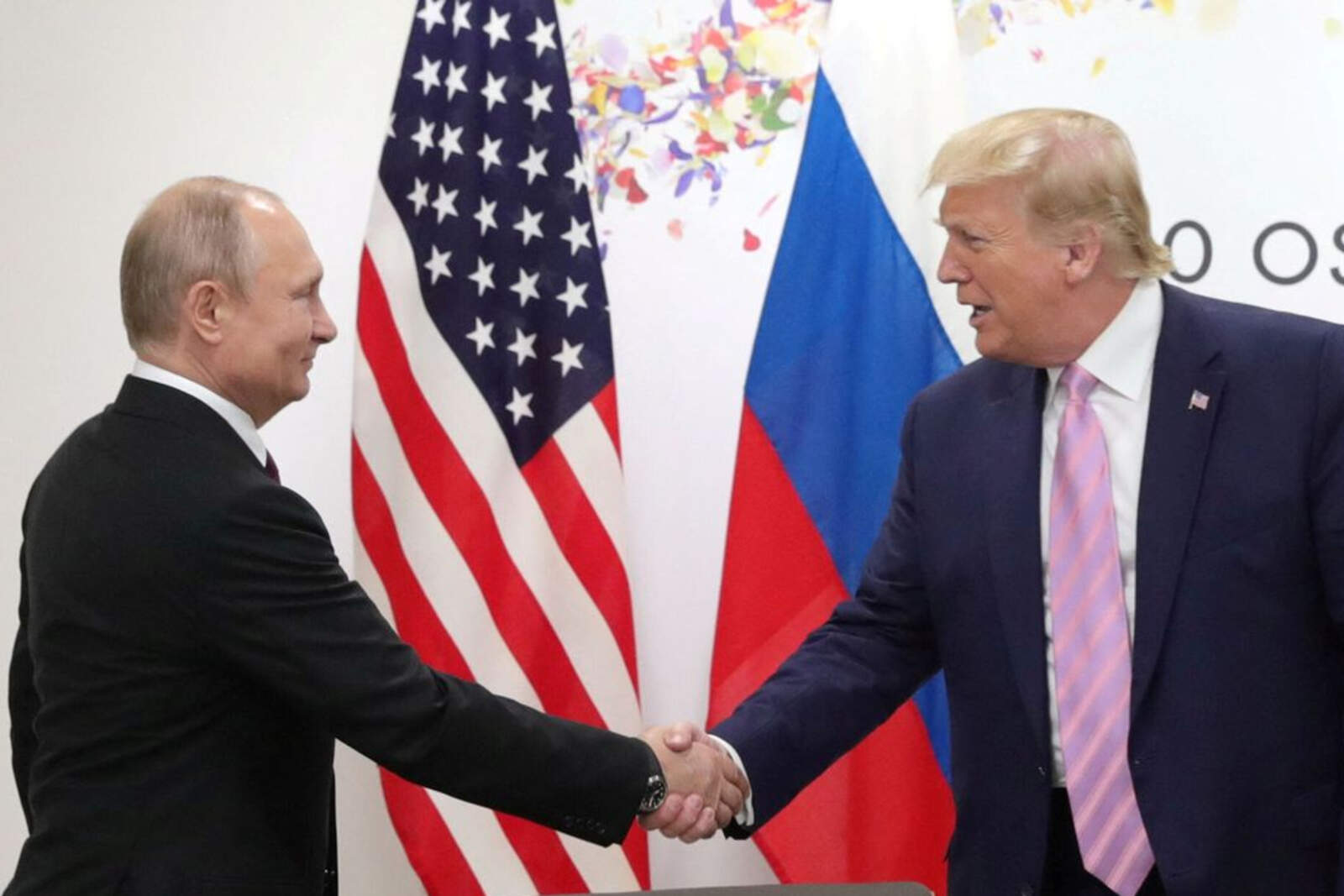
Donald Trump y Vladimir Putin.
In addition to the territorial issue, Putin demands limiting the size of the Ukrainian Armed Forces, reducing its military capabilities, and that Zelensky formally renounce joining NATO.
Such a demand was reflected in points 6, 7, and 8 of the plan drafted by Witkoff and Kushner, supported by Trump and delivered to Zelensky by Dan Driscoll, United States Secretary of the Army.
The points state:
6. The Ukrainian Armed Forces would be limited to 600,000 personnel.
7. Ukraine will incorporate into its Constitution that it will not join NATO, and the Alliance will include in its statutes the prohibition of admitting Ukraine in the future.
8. NATO will commit not to station troops on Ukrainian territory.
European rejection and Kyiv's resistance
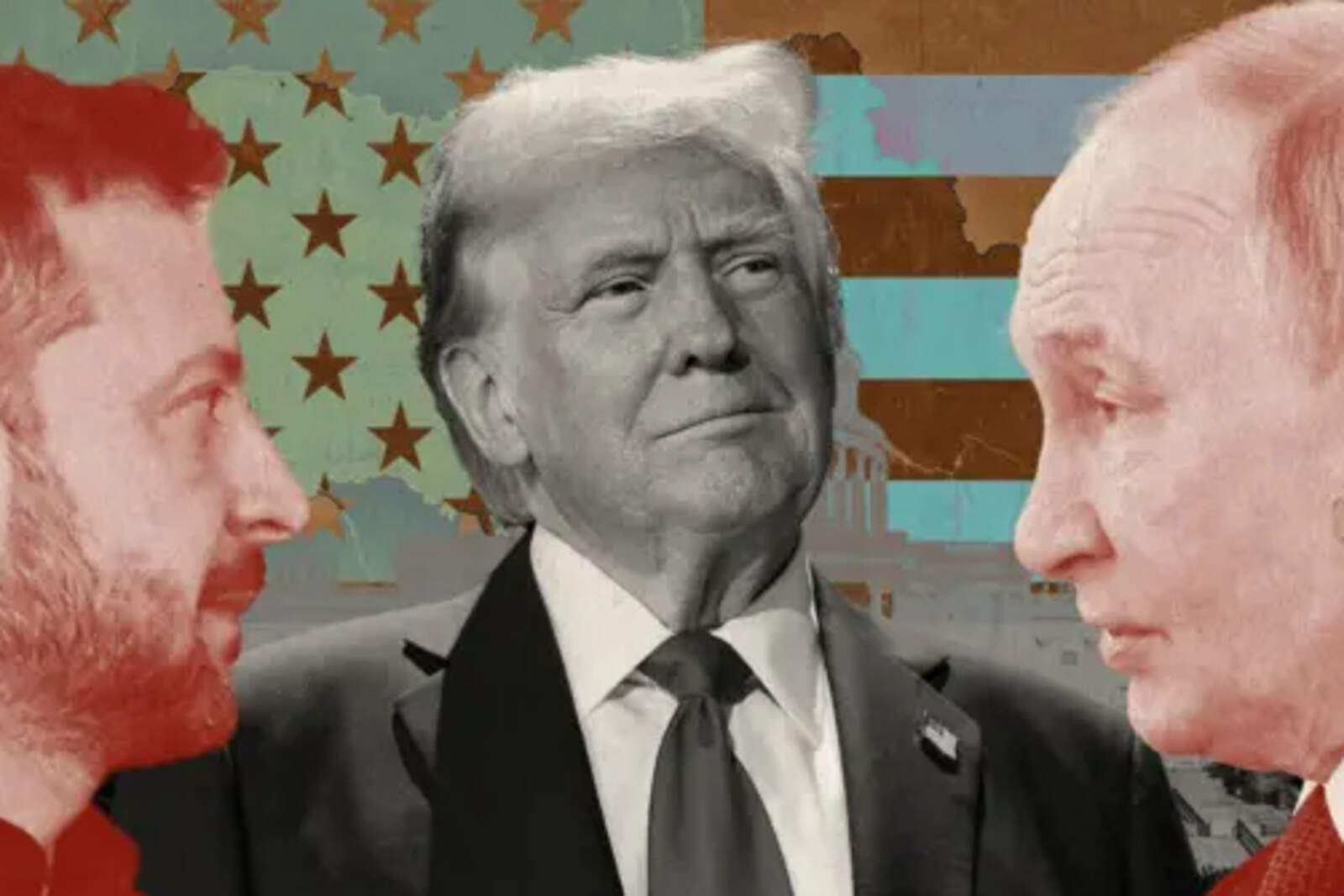
Donald Trump, Vladimir Putin y Volodímir Zelensky.
German Chancellor Friedrich Merz warned Trump that Europe will not accept these three points. Minutes later, Zelensky echoed that position during a conversation with JD Vance, United States Vice President. He warned that neither Ukraine, nor the EU, nor the United Kingdom will endorse an agreement that limits its defense or closes the door to Euro-Atlantic integration.
The Republican administration is betting on starting a parallel negotiation in Moscow and Kyiv at the beginning of December. However, the positions remain irreconcilable.
On one side, Putin aspires to restore the former borders of the Russian Empire. Meanwhile, Zelensky flatly refuses to hand over Crimea, Luhansk, or Donetsk and recalls that Moscow has already violated previous agreements.
Trump wanted to announce the progress of the plan this Thursday, Thanksgiving Day. The new goal is Christmas.