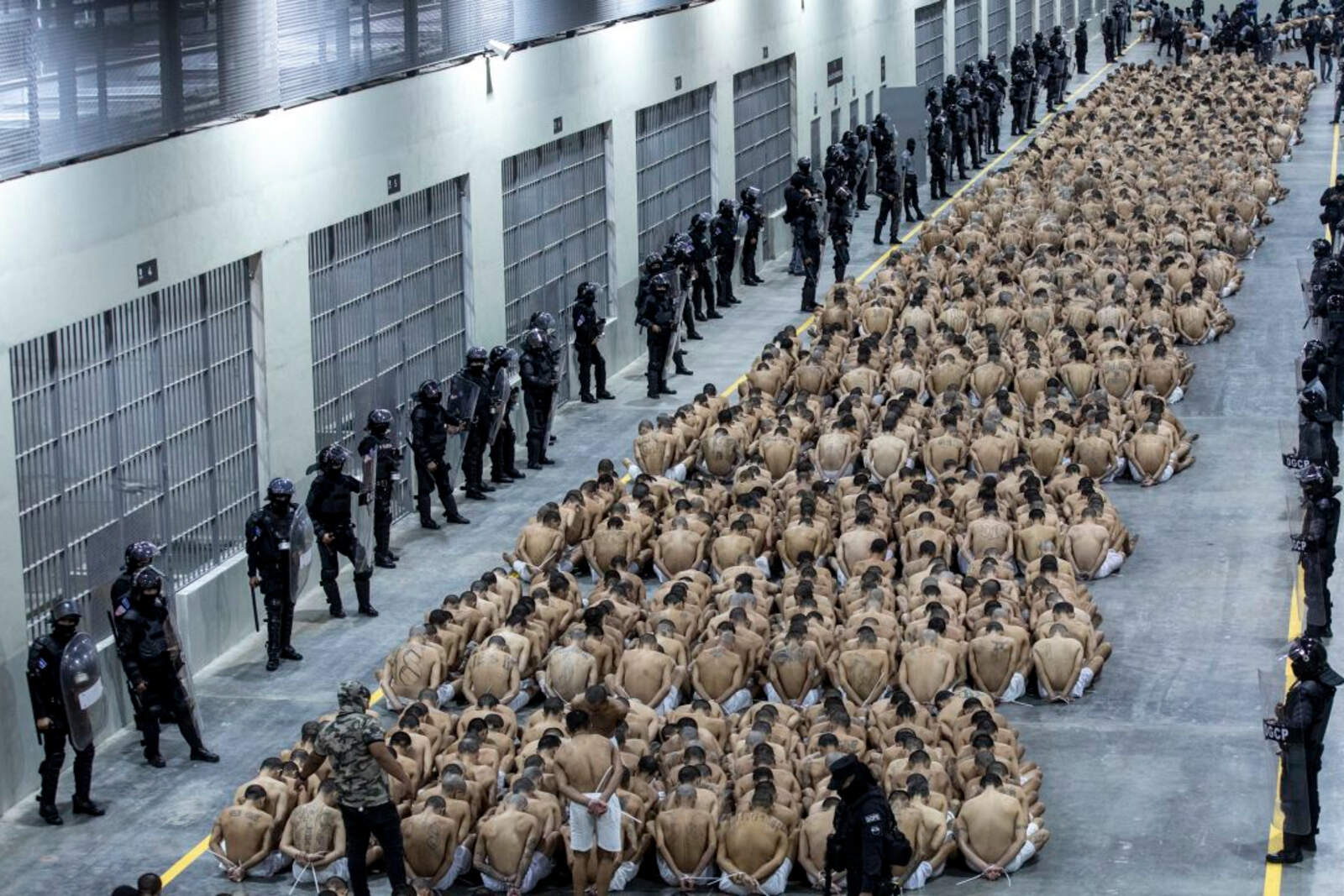
The prison model that Nayib Bukeleturned into the emblem of his security policy in El Salvador crossed borders.
This Monday, the Salvadoran president traveled to Costa Rica to take part in the laying of the cornerstone of a high-risk prison inspired by the Center for Confinement of Terrorism (Cecot), the mega-prison that houses thousands of gang members in his country.
The project was presented together with Costa Rican President Rodrigo Chaves and will be built in the province of Alajuela, about 20 kilometers (12.4 miles) from San José.
The initiative is taking place in a sensitive political context, just weeks before the presidential elections on February 1, and it has already caused strong clashes between the ruling party and the opposition.
During the event, Bukele was explicit about the scope of the agreement. "Everything we did in Cecot is going to be done in its Costa Rican version", he stated, as he confirmed that the Salvadoran government is taking part in the design of the new prison.
The prison will be named the High Containment Center for Organized Crime (Cacco), will have capacity for about 5,000 inmates, and will require an estimated investment of 35 million dollars.
Estarán encarcelados los presos más peligrosos del país
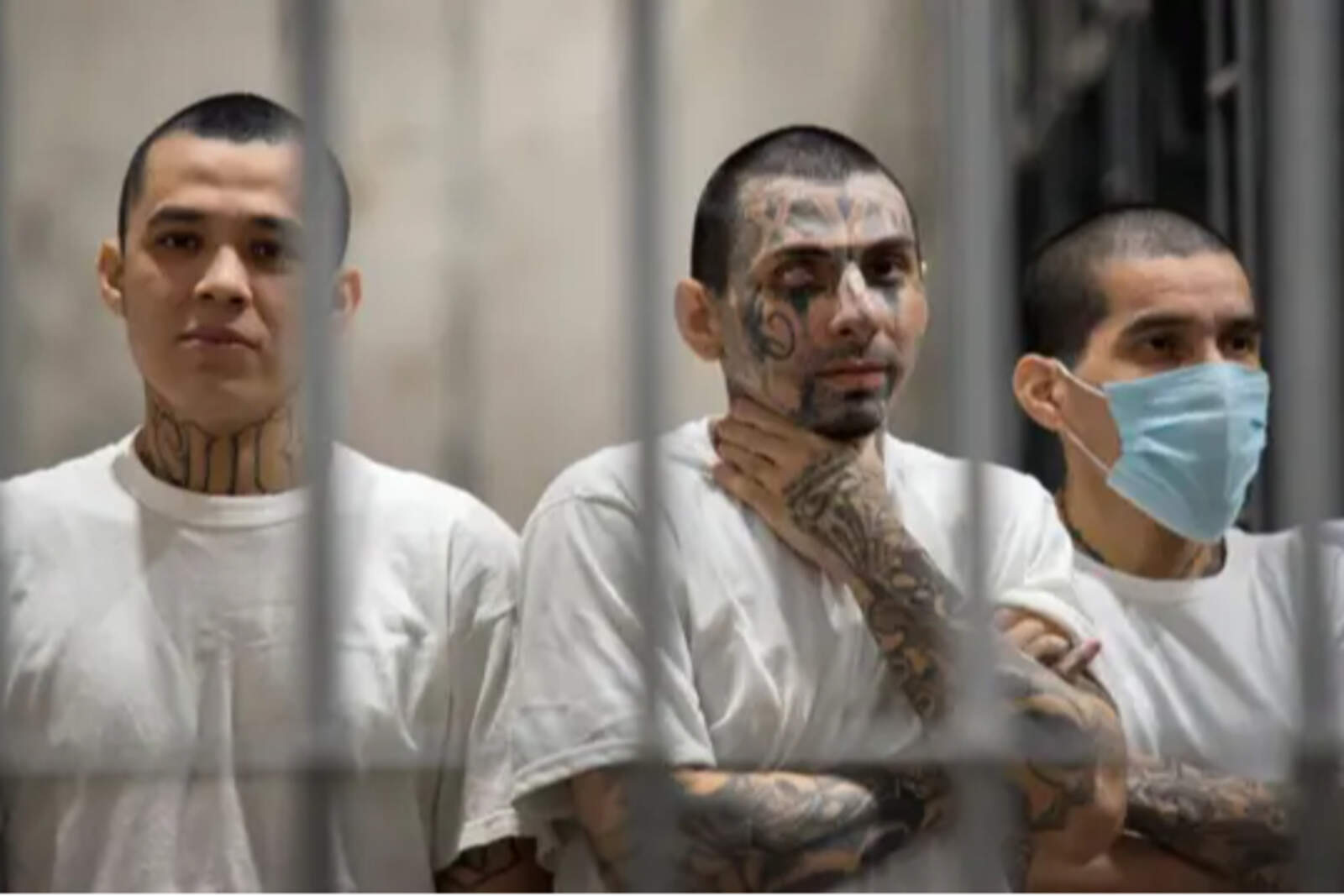
It will be intended for detainees considered highly dangerous, in a country that has historically been reluctant to adopt policies of mass incarceration.
Bukele's presence stirred up the Costa Rican electoral landscape. Opposition sectors claimed that the visit was used by Rodrigo Chaves to indirectly support his candidate, Laura Fernández, a former minister and current favorite in the polls, who is proposing a "tough-on-crime" agenda in response to rising insecurity.
In his speech, Bukele reinforced that narrative and adopted an alarmist tone: he asserted that crime "is going to grow like a cancer if it is not stopped in time" and maintained that "there is no other way to solve it than with the force of the State." "Do what is right, everything else will be added," he told Chaves under the gaze of officials and security forces.
The Salvadoran leader built his high domestic popularity on an unprecedented anti-gang offensive, backed by a state of exception that allows arrests without a court order. In four years, his government has arrested about 90,000 people, reducing violence rates to historic lows.