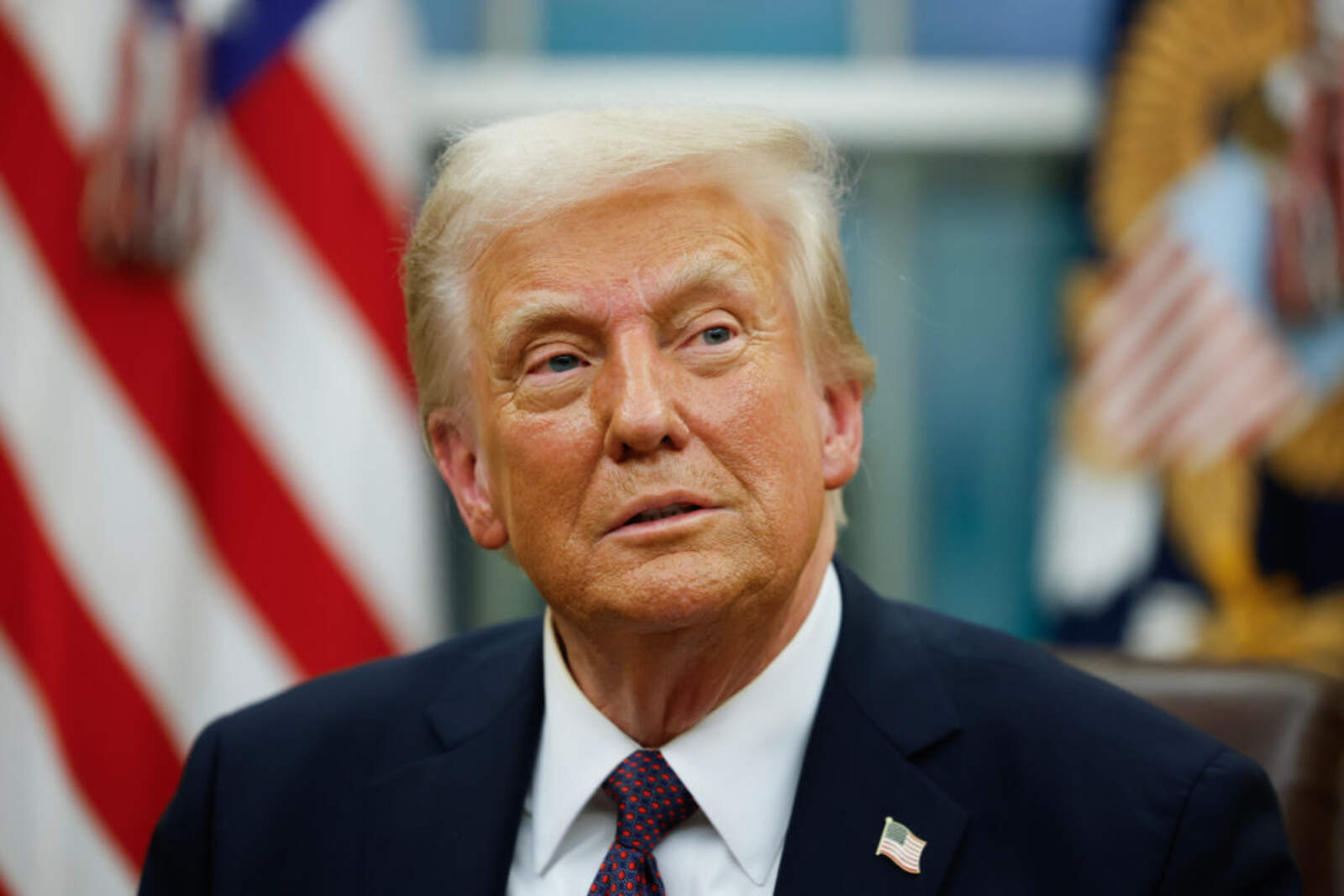
The tension dates back to August 2024, when then-Commissioner Thierry Breton sent a letter to Musk demanding "guarantees" for an interview the entrepreneur was going to conduct with Trump, then a candidate. The letter warned of possible sanctions if the platform allowed the dissemination of messages the EU considered "problematic." Musk interpreted this as prior censorship. Days later, various sources confirmed that in Brussels, there was even consideration of blocking X in European territory.
From Brussels, officials continue to insist that the sanction has no political motivation and that they only seek to protect citizens. But the double standard is evident: other platforms under scrutiny were treated with a leniency that contrasts with the harshness applied to X, whose owner represents an idea of freedom with which the EU disagrees.
The case sets a dangerous precedent. If Brussels manages to impose its model of prior censorship, the European digital space will become increasingly restricted along with its freedom of expression.
Brussels's regulatory onslaught against X has finally revealed its ideological background. After the European Commission imposed a record fine of 120 million euros, Elon Musk revealed that in 2024 the European Union had formally pressured him to censor content linked to Donald Trump during the U.S. presidential campaign. According to the magnate, the episode was a preview of the offensive that is now materializing in the highest fine imposed under the Digital Services Act (DSA).
The sanction is based on technical arguments: alleged failures in moderation, lack of advertising transparency, criticism of the verification system, and questions about "Community Notes." However, for Musk's circle, all of this is merely an excuse. The real conflict is political. They claim that Brussels intends to discipline platforms that do not accept the old paradigm of information control that dominated Europe before Musk's arrival. Elon Musk.
One of the most sensitive points of the European accusation is the blue badge or verification system. The Commission keeps that its paid nature "confuses" users, while X responds that it eliminated an elitist system that arbitrarily distinguished who could be verified and who could not. The discussion is symptomatic: what Brussels calls "order," Musk sees as a tool of covert censorship.