Faced with this extortion, university authorities “considered it prudent to comply with the demands of diplomatic envoys”.





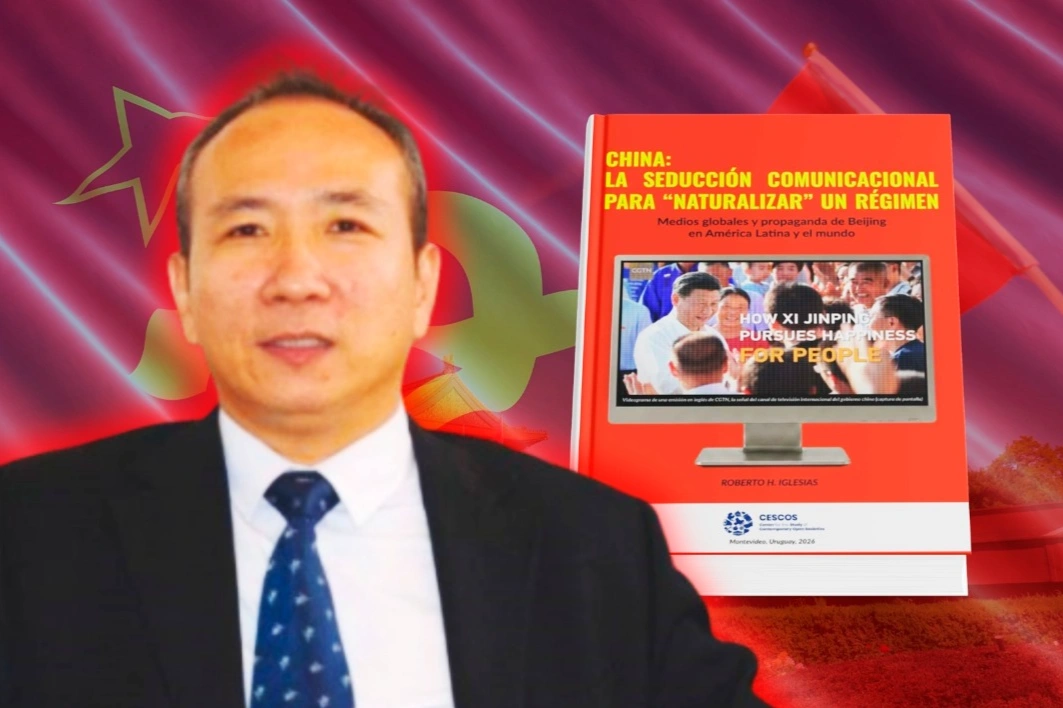

The “UB” canceled a day that warned about Chinese “communication seduction”, a strategy described as an attempt to “have total control over the narrative” and shape its global image.
Faced with this extortion, university authorities “considered it prudent to comply with the demands of diplomatic envoys”.





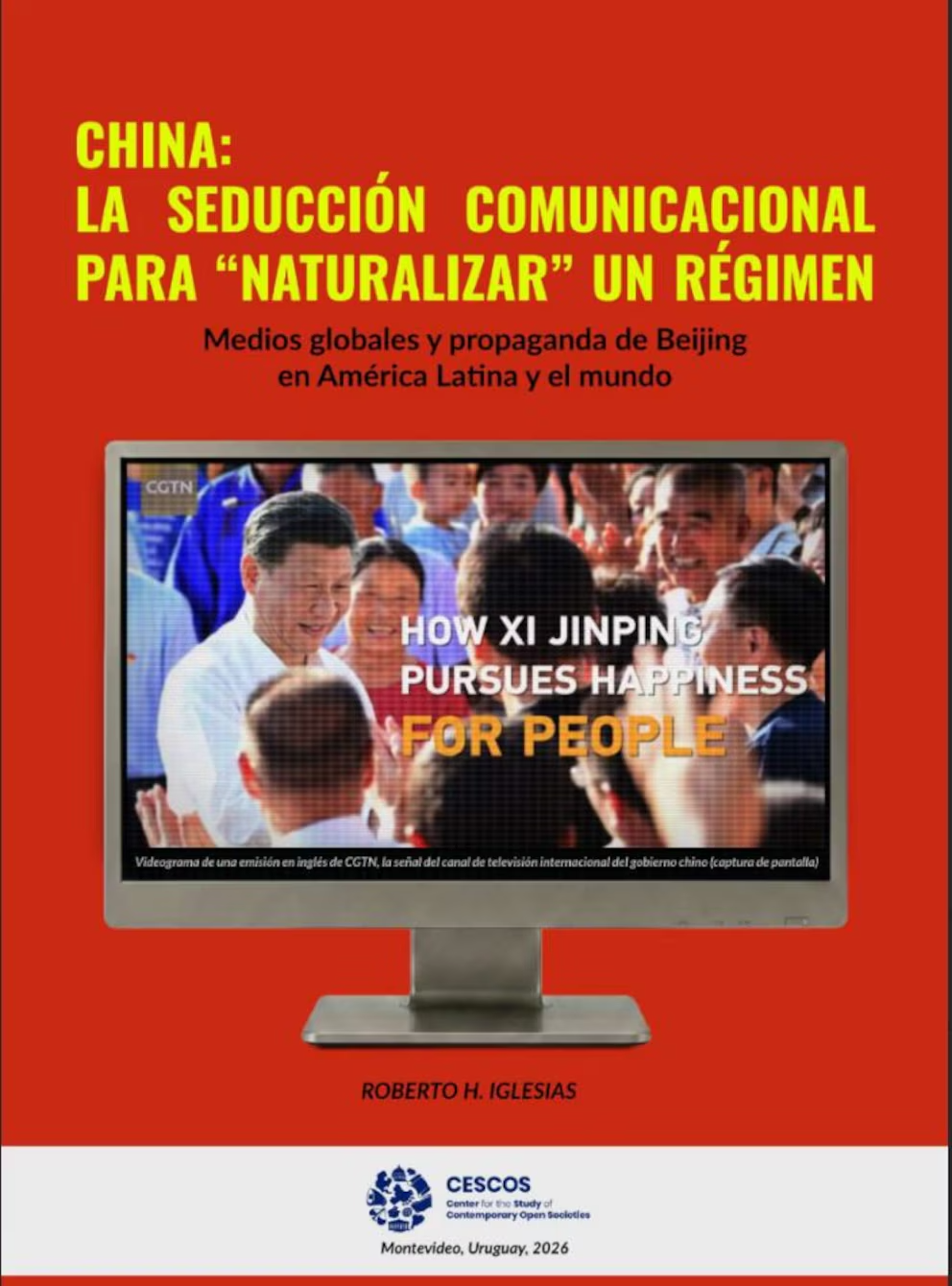
Censorship prevented the presentation of the book by Roberto Iglesias, who describes in his work the “communication seduction” of China's global media to disguise an autocracy devoid of liberties through friendly propaganda. Iglesias denounced that “China is not limited to giving its version of things but seeks to have total control over the narrative”, describing what happened as an act of “hard power” or “sharp power” and an “obvious interference with another country to curtail freedom of expression
”.
The latter, director of CESCOS, warned of the danger of Argentine complacency in the face of the Asian giant: “we believe that this permanent exercise of pressure and extortion by the Chinese regime... is a small cost to pay in the face
of great material opportunities.”For his part, Hans-Dieter Holtzmann, regional director of the Friedrich Naumann Foundation, expressed his “concern about the advance of systematic practices of pressure and intimidation driven by authoritarian regimes in academic, political and cultural spheres”, pointing out that these mechanisms of influence are “incompatible with liberal and democratic values”.
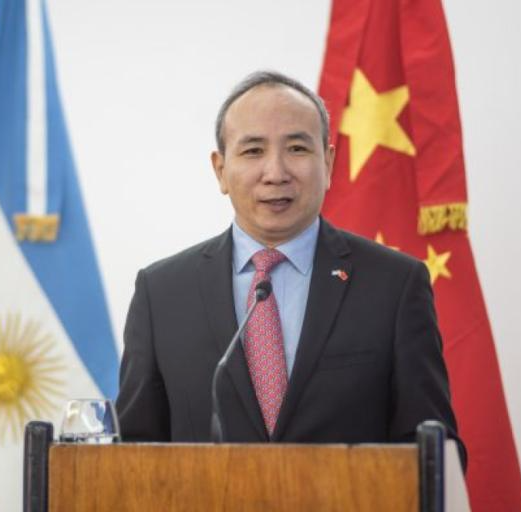
The alarming advance of diplomatic coercion exercised by the People's Republic of China in the country has reached a turning point. Under the direct orders of Ambassador Wang Wei, the Beijing delegation has succeeded in imposing its censorship agenda on the University of Belgrano, forcing the cancellation of an academic event that exposed the manipulation tactics of the Asian dictatorship. This act of foreign interference constitutes a frontal attack against freedom of expression and the institutional integrity of the Argentine education system
.The events precipitated around the academic day entitled “China: communication seduction to normalize a regime”, which was originally scheduled for April 29. The event, which sought to alert an audience of 150 students studying Political Science and International Relations to the real nature of the regime, was supported by organizations that defend freedom such as the Friedrich Naumann Foundation, the Center for the Study of Contemporary Open Societies (CESCOS), the International Republican Institute, and the Taiwan Cultural and Commercial Office in Buenos Aires
.
The harassment machinery of Chinese communism was activated on Friday morning, April 24. Through intimidating phone calls to deans and professors, the Chinese embassy threatened to cut off all ties with the university. The escalation of tension culminated in the physical break-in of three diplomats at the headquarters on Zabala Street, who issued an ominous warning: “that such activities could damage diplomatic relations between the two countries... and their