In the last ten years, Kirchnerism, the most influential political force in recent years in Argentina, has experienced a sharp loss of support at the polls.
Of the six national elections held between 2015 and 2025, Kirchnerism, together with Peronism, managed to prevail in only one: the 2019 presidential election, with the embattled Alberto Fernández and the corrupt Cristina Fernández de Kirchner leading the "Frente de Todos".
The other contests, both presidential and legislative, were tough defeats, consolidating a trend of political decline that contrasts with its traditional electoral dominance.
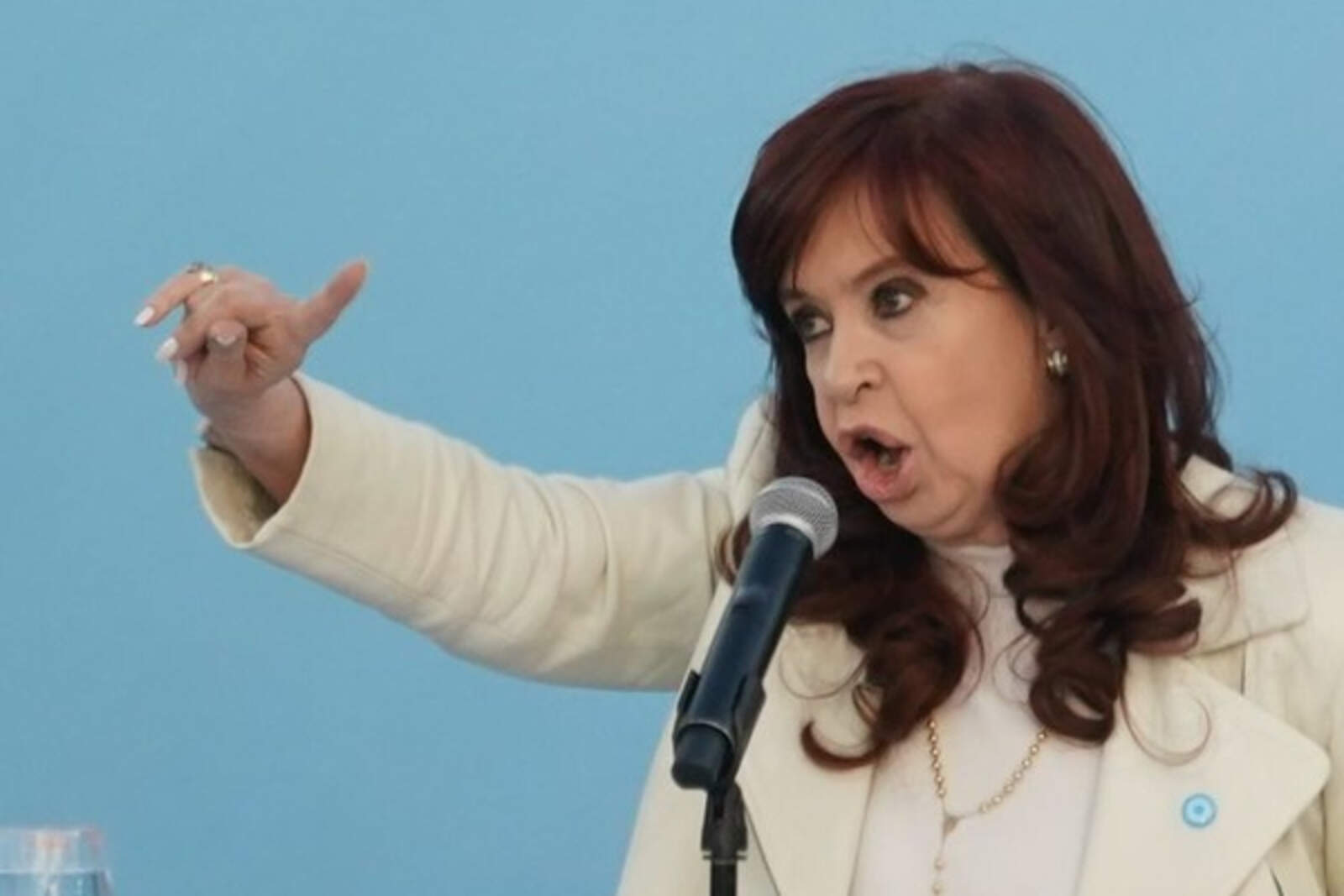
Cristina Kirchner, expresidente de Argentina.
Five defeats and one victory
The sequence of results began in 2015, when they were defeated in the runoff by former president Mauricio Macri, then leader of Cambiemos. That election marked the end of 12 consecutive years of Kirchnerist governments and the beginning of a new political cycle in the country.
Two years later, in the 2017 legislative elections, the Macri administration once again prevailed in most key districts, including Buenos Aires province, where the list headed by Esteban Bullrich defeated Cristina Fernández de Kirchner, who was running for senator for Unidad Ciudadana. The fragmentation of Peronism into different provincial expressions and the lack of national leadership contributed to that defeat.
The return of Peronism to power came in 2019, with the formation of the Frente de Todos, a coalition that unified the main currents of Peronism and Kirchnerism. Alberto Fernández won in the first round against Mauricio Macri, driven by the opposition vote to the economic problems and the wear and tear of the Cambiemos administration.
However, that victory proved short-lived, because the subsequent administration was marked by the pandemic, high inflation, internal tensions between the president and the vice president, and the resulting economic disaster.
Cristina Kirchner, condenada por corrupción.
In the 2021 legislative elections, the Frente de Todos suffered a major setback, losing for the first time since 1983 its own majority in the Senate. The opposition, grouped in Juntos por el Cambio, advanced in almost the entire country, capitalizing on social and economic discontent.
The final blow came in 2023, when then Minister of Economy and Kirchnerist candidate Sergio Massa was defeated by Javier Milei, leader of La Libertad Avanza, in the presidential runoff. The libertarian victory marked a turning point in Argentine politics and a historic setback for Peronism, which failed to retain power either in Casa Rosada or in several provincial governments.
Finally, in the 2025 legislative elections, held yesterday, Milei consolidated his political strength. La Libertad Avanza swept with 40.6% of the votes, won in 16 provinces, including Buenos Aires, Córdoba, Santa Fe, and Mendoza, relegating Peronism to a role of fragmented opposition and without defined leadership, which obtained only 31.7%.
With these results, Peronism lost five of the last six national elections. The movement that for decades was synonymous with political hegemony now faces the greatest challenge of its recent history: to redefine itself in a scenario dominated by new forces and a citizenry that seems to no longer trust them.