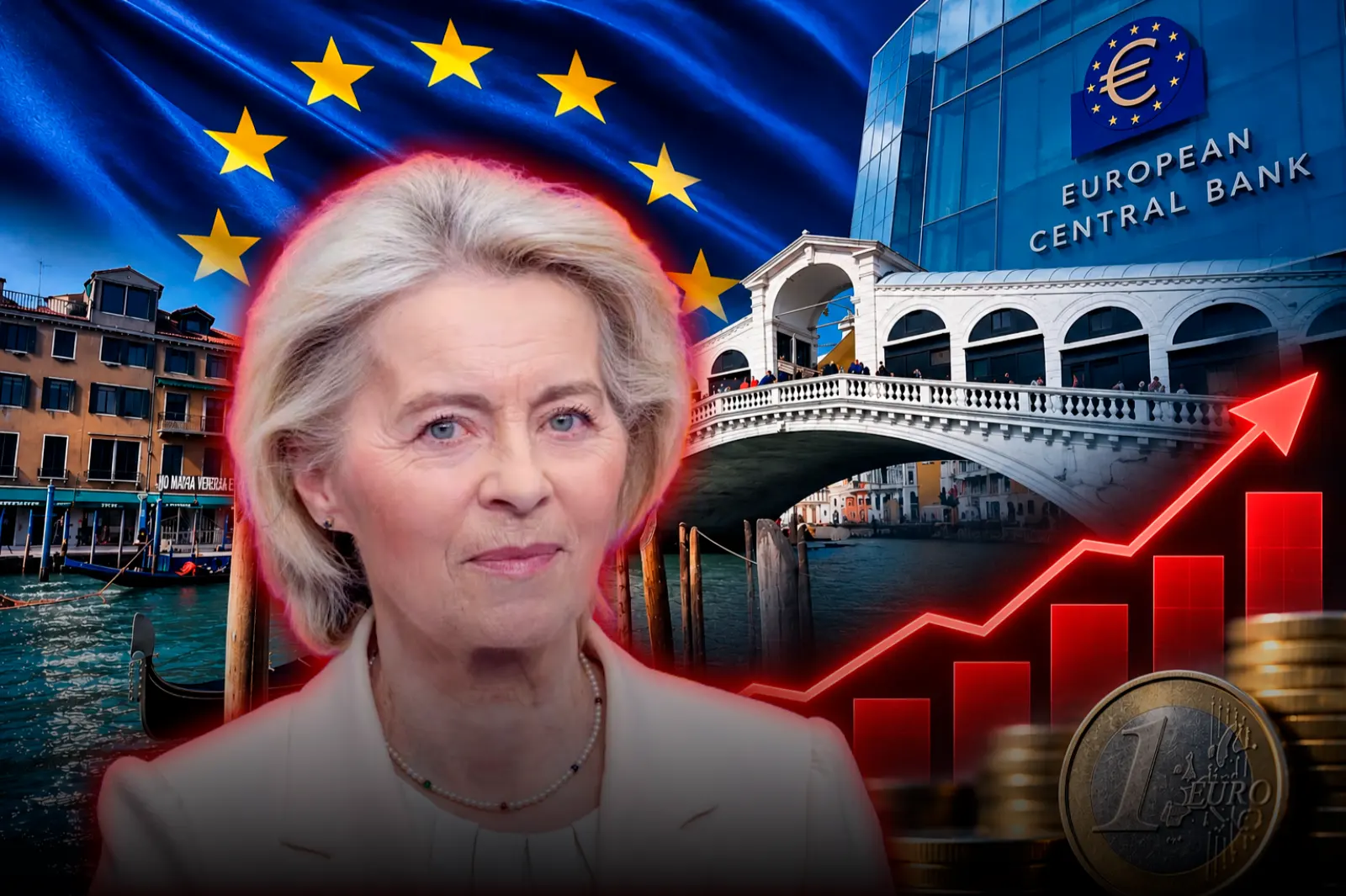







The inflation in the eurozone accelerated again in October to reach 4% year-on-year, primarily driven by the sharp rise in energy prices, marking another blow to European households and businesses. The increase, which surpassed the 3.8% recorded in September, rekindled expectations that the European Central Bank (ECB) might be forced to raise interest rates again in December, despite having kept them unchanged during its last meeting.
The preliminary data published on November 4 reflected the difficulties facing the bloc's economy in containing inflationary pressures. The rise in energy costs threatens to gradually transfer to other sectors, while consumers continue to bear the consequences of a persistent increase in the cost of living.
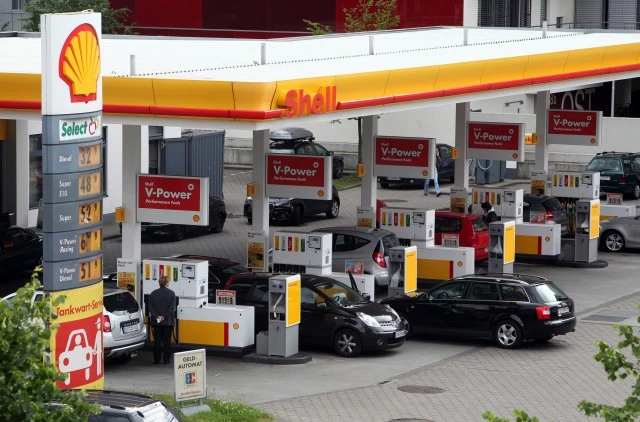
Energy was the main factor behind the deterioration of the indicators. Its prices rose by 20.8% year-on-year in October, compared to 18.9% in September, representing the largest increase among the main components of inflation.
Other categories also recorded increases, although more moderate. Service inflation rose to 3.3%, up from 3.2% the previous month, while food, alcohol, and tobacco increased by 1.6%, compared to 1.3% in September. Non-energy industrial goods recorded an increase of 1.2%, up from 1.1% previously.
For its part, core inflation, which excludes the more volatile prices of food and energy, remained stable at 2.5%, in line with economists' forecasts. However, this stability does not eliminate concerns about the potential impact that rising energy costs could have in the coming months.
Several analysts interpreted the figures as a sign that the ECB could raise interest rates in December. The possibility of new adjustments represents another challenge for a European economy that needs to recover growth but remains exposed to high energy costs and international uncertainty.