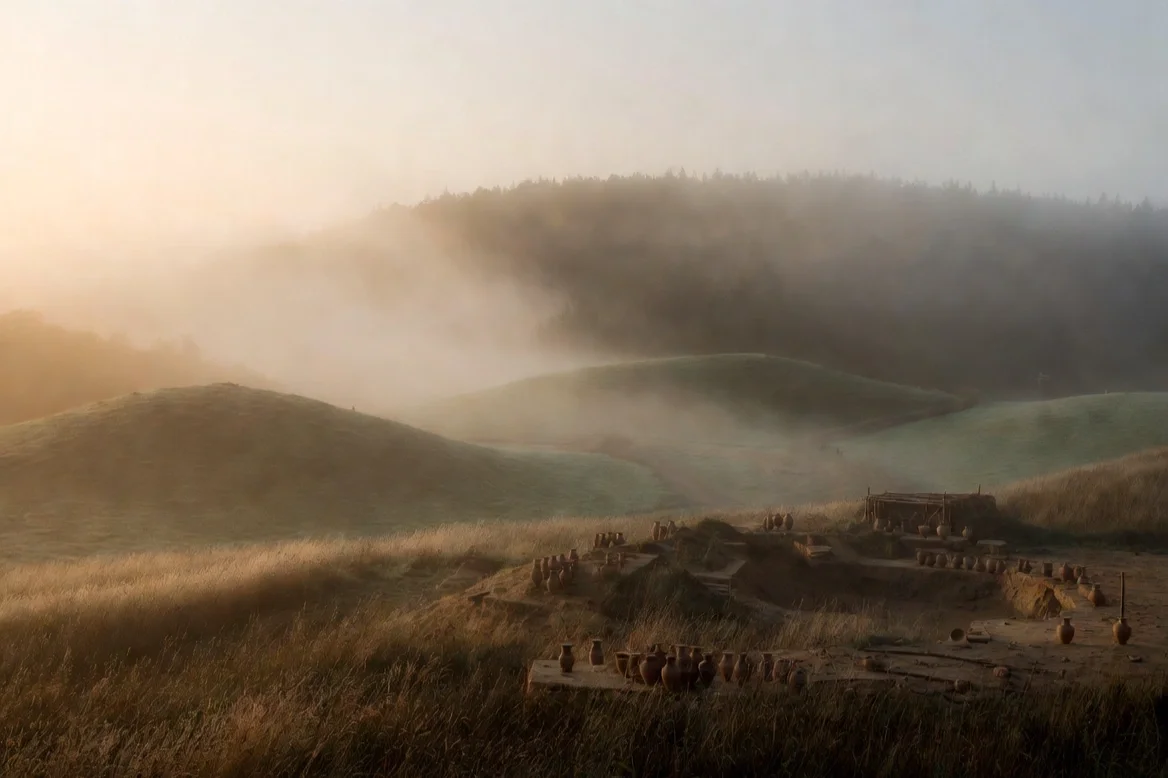
Researchers have managed to illuminate details of life in Central Europe during the Late Bronze Age, a period marked by significant cultural changes between 1300 and 800 B.C. Through the analysis of unusual graves that escaped the widespread practice of cremation, the team reconstructed key aspects of the diet, funeral rituals, and social ties of those communities.
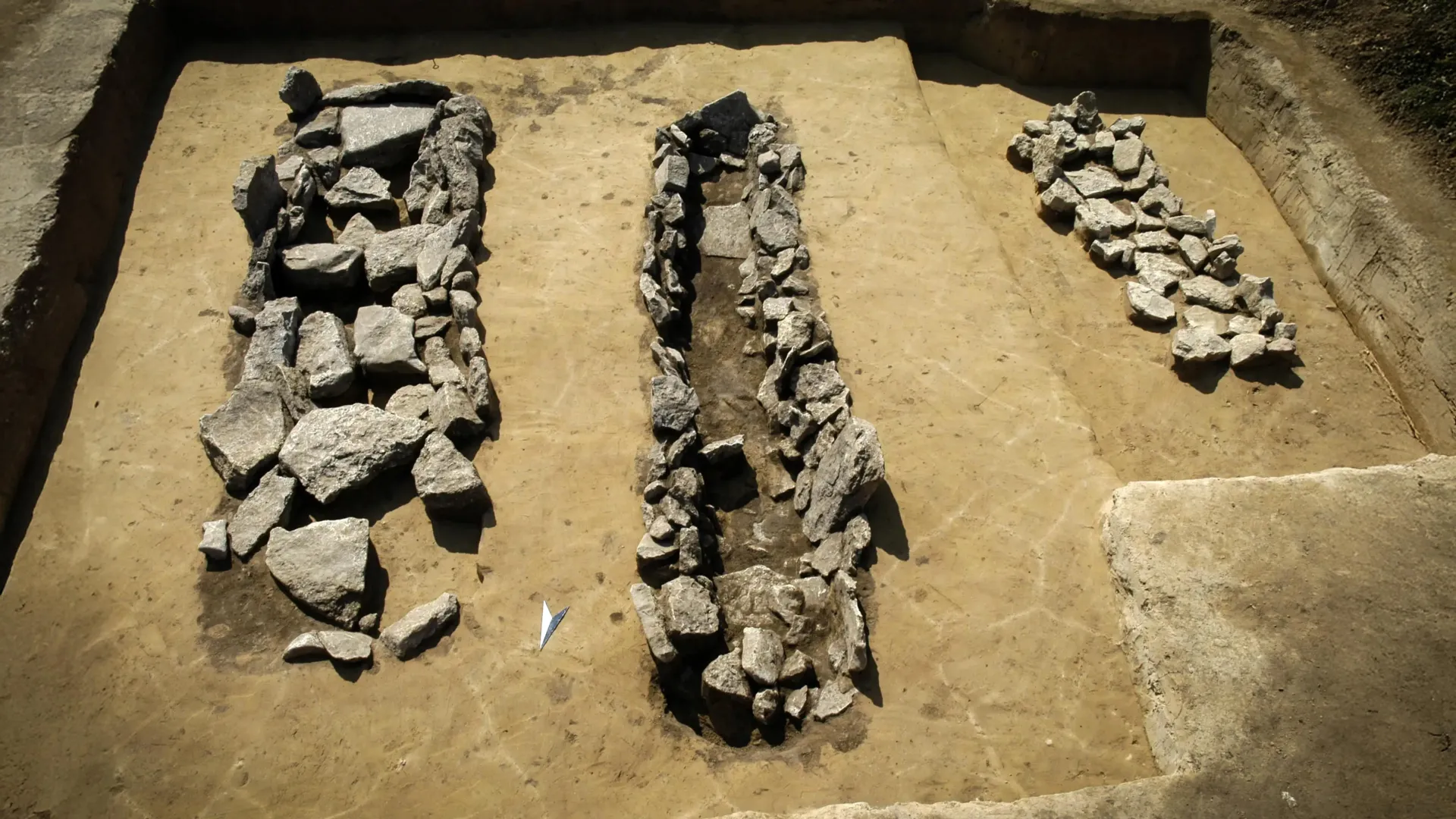
The work, published in Nature Communications, combined archaeology, ancient DNA, isotopes, and bone evidence. The scientists focused on uncremated burials found in Germany, the Czech Republic, and Poland, as well as cremated remains from sites in Central Germany.
Genetic data show gradual and regional changes in ancestry, rather than abrupt population replacements. In Central Germany, these modifications were particularly noted towards the end of the period, with greater connections to regions south and southeast of the Danube, while still maintaining strong local traditions.
Most of the individuals studied lived and died close to where they were born. Analyses of strontium and oxygen isotopes, which serve as chemical fingerprints of the environment, confirmed that both cremated and uncremated individuals were locals.
Diet and Experimentation
One of the most interesting findings relates to dietary habits. During the early phase of the Late Bronze Age, communities incorporated common millet or panicum miliaceum, a crop native to northeastern China that had recently arrived in Europe.
This cereal adapted well to different conditions and may have helped in the face of environmental or economic pressures. The relevant point is that its adoption occurred without significant genetic changes in the population, indicating that it was the local groups who decided to try and add this new food.
However, the consumption of millet later declined, and people returned to traditional crops like wheat and barley in the later stages of the period. This dynamic reflects a remarkable capacity for experimentation and adaptation, rather than a permanent agricultural transformation.
Regarding health, DNA revealed bacteria linked to oral problems and cavities, but there were no signs of widespread epidemics. The bones showed signs of childhood stress, joint wear, and some injuries, indications of physically demanding lives, although most individuals enjoyed generally good health.
Varied Funeral Rituals
The study also highlights the diversity of funeral practices during the Urnfield culture. In the same settlements, cremations, traditional burials, deposits of skulls only, and complex multi-stage rites were used.
These options did not seem marginal but rather part of a broader repertoire that communities could choose from depending on the context, linked to memory, identity, and ideas about what it meant to be a person at that time.
Eleftheria Orfanou, the lead author of the study, noted that the Late Bronze Age was not experienced as a unique moment of change, but as a series of decisions regarding diet, burials, and social relationships within groups that were very connected to their landscapes and neighbors.
Wolfgang Haak, the project leader, concluded that change and innovation were incorporated into existing traditions. Communities actively shaped their ways of life, creating hybrid practices that made local sense in an increasingly interconnected world.
Thus, the analysis of these exceptional graves allows for a better understanding of how resilient societies navigated a period of transformations, maintaining strong ties to their immediate environment while incorporating novelties through contact, exchange, and social interaction.