More than four years after the start of the war in Ukraine, the International Automobile Federation (FIA) has changed its stance towards Russia and Belarus by lifting the restrictions that conditioned the participation of their drivers, teams, and officials in international competitions. Although the circular announcing the change was published this Thursday, the measure was adopted by the World Motor Sport Council (WMSC), the main governing committee of the organization, on August 3, and has been in effect since then.
With this resolution, Russian and Belarusian drivers, national teams, individual competitors, and officials will be able to participate in international and zonal competitions without restrictions. Additionally, the requirement to sign a neutrality commitment to compete has been eliminated.
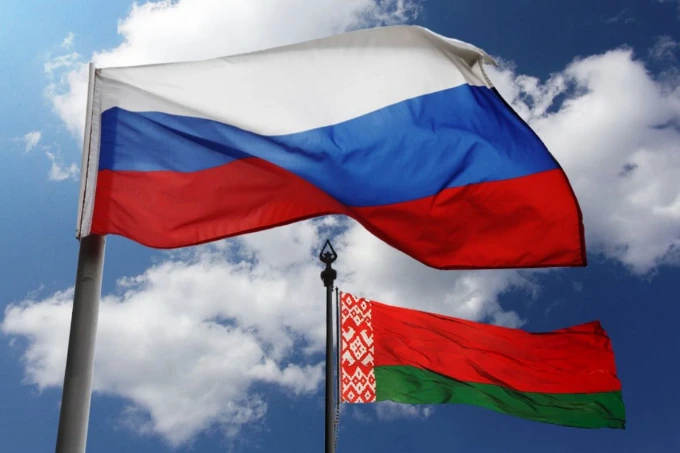
This change also implies the return of national symbols to FIA events. The flags, colors, and emblems of both countries can once again be displayed on uniforms, equipment, and vehicles, while their anthems may be played during podium ceremonies.
The decision modifies the emergency measures implemented by the international body in March 2022, following the invasion of Ukraine and Belarus's support for Russia. Since then, athletes from both countries could only compete individually and neutrally, under the FIA flag and after accepting specific conditions related to political neutrality. Additionally, structures and competitions linked to Russia and Belarus were removed from the international calendar.
Beyond the modifications to that provision, the new regulation does not imply a complete lifting of all measures. The FIA prohibits the holding of international or zonal competitions in Russian and Belarusian territory "until further notice". Therefore, the potential return of a Formula 1 Grand Prix to Sochi remains out of consideration under the current rules.
On the other hand, the federation also clarified that the participation of Russian and Belarusian citizens will continue to be conditioned on compliance with applicable national, local, and transnational laws. At the same time, it reserved the right to modify the measures again and take additional actions based on the evolution of the conflict in Ukraine or any potential sanction regimes.