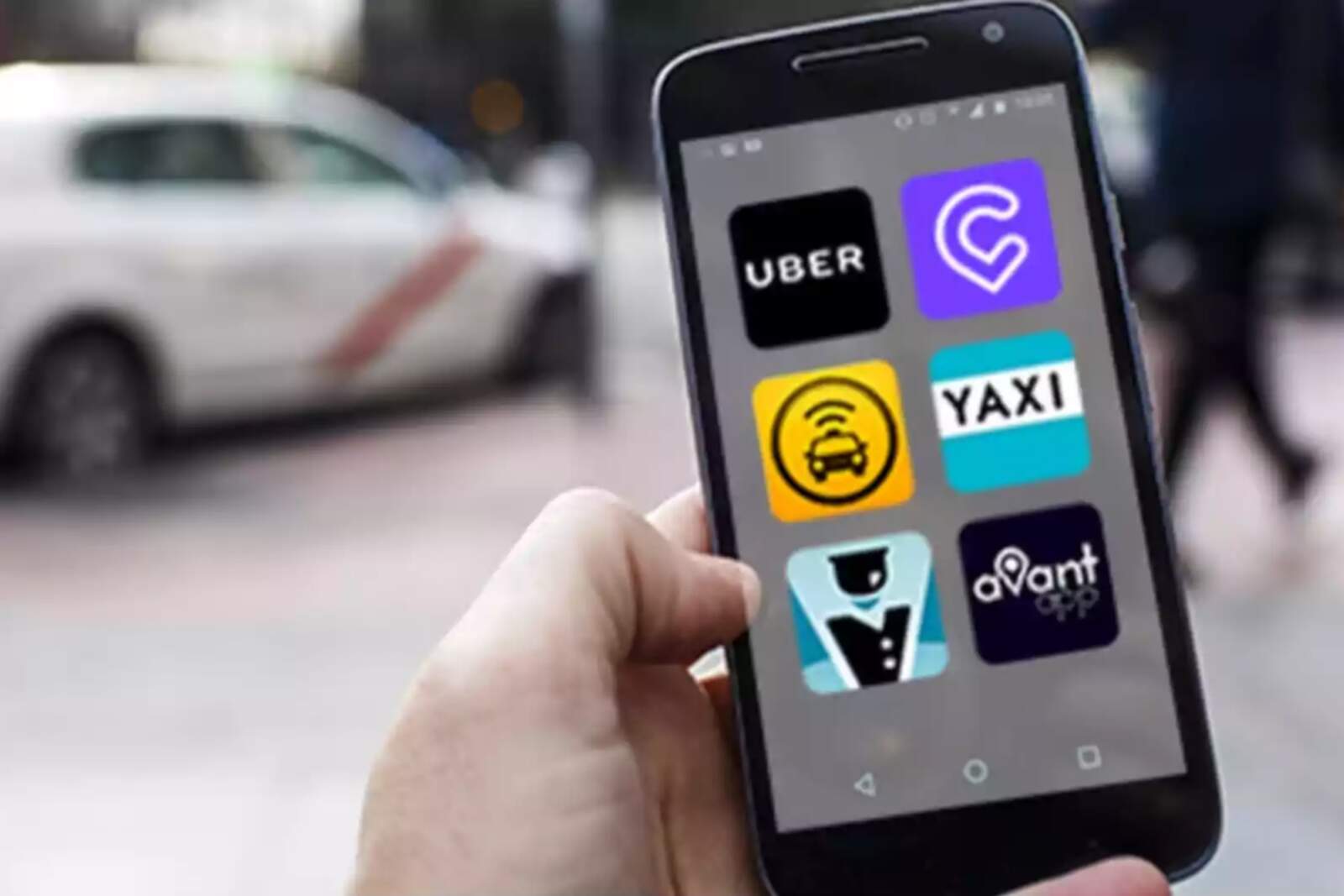
Starting November 10, the official registration of travel platforms will begin, giving users greater freedom of choice
Compartir:
The Municipality of Córdoba will open the Digital Registry of Ride-Hailing Applications on November 10, after weeks of delays in the implementation of the system. This formal registration will allow the operation of platforms such as Uber, DiDi, and Cabify to be consolidated under a clear regulatory framework. For users and drivers, the measure means leaving behind a prolonged period of uncertain controls and sanctions without definitive regulation.
In this first stage, only companies will be able to register, and they will have to complete all the required documentation to be authorized. Then, starting November 24, registration will open for drivers and vehicles, completing the configuration of the service legalization scheme. Currently, Cabify has met all administrative requirements, while Uber and DiDi are still in the process of completing the formal requirements.
The measure allows progress toward a competitive and predictable system, which has been highly demanded by users in the city. Thousands of Córdoba residents choose these apps every day for their availability, transparent pricing, rating systems, and real-time trip tracking. With this regulation, the city formalizes a mobility model chosen by citizens over traditional alternatives that have lost preference.
Desde el 24 de noviembre se abrirá el registro para conductores y vehículos
A key step toward the modernization of transportation
The system will be completely digital and will integrate provincial and municipal databases to streamline management and avoid duplication of procedures. Sanctions are planned for those who operate without authorization, seeking to ensure transparency and quality in the service. For passengers, this means greater predictability, safety, and freedom to choose the option that best suits their needs.
The platforms will be required to have a legal address in Córdoba and comply with tax and insurance requirements, just like any formal operator. Drivers will need a D1 license, a clean record, and ART or personal insurance coverage, while vehicles must be less than ten years old (less than ten years old) and have a valid ITV. Authorized units will display a visible QR code, facilitating controls and providing greater confidence to the user.
The legalization also represents recognition of social preference, despite the corporate pressures from the taxi sector that tried to stop this opening. For months, the union resisted technological competition, even though a large part of the citizenry expressed support for the platforms. With this registry, Córdoba joins a global trend in which the user decides and transportation is modernized with clear rules and efficient service.