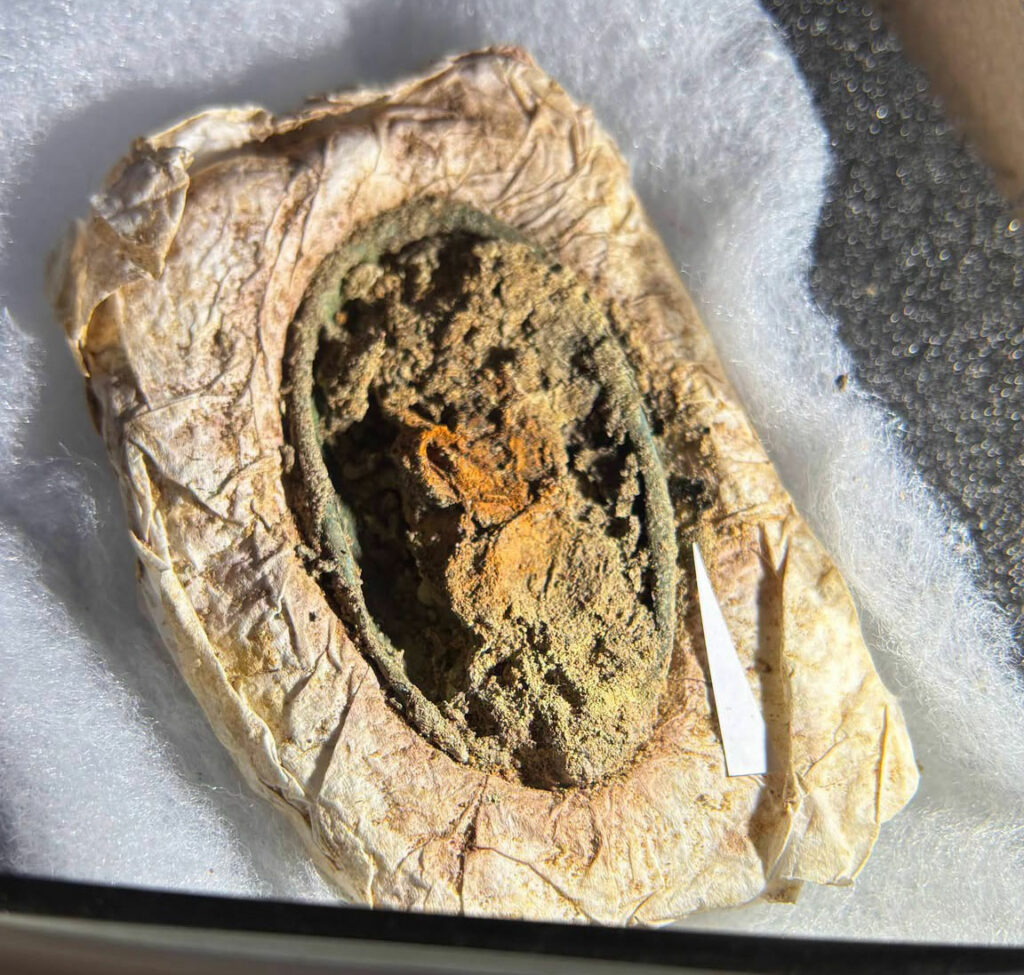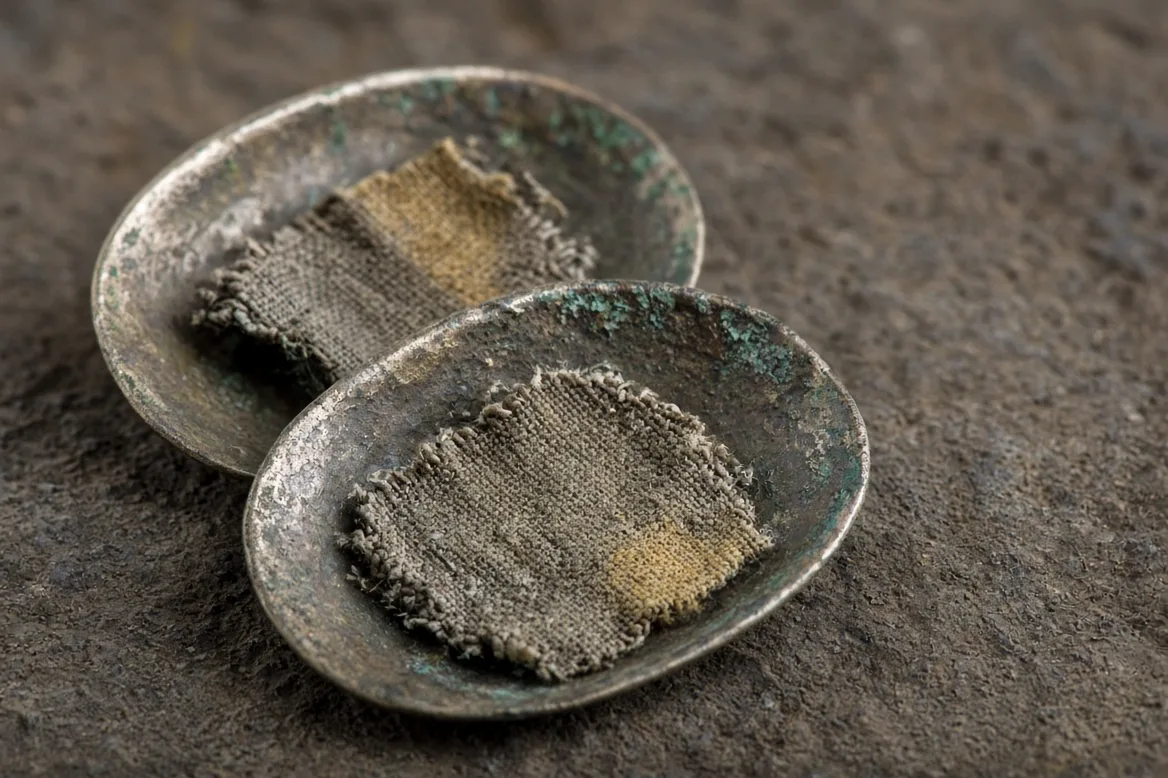

At the Skonager site, located in western Jutland, Denmark, archaeologists discovered fragments of fabric approximately 1,300 years old within the tomb of an 8th-century Viking woman. The finding, reported from Varde, occurred in two scoop-type brooches, characterized by their concave shape, where the textile remains were adhered both on the front and back.
Researchers from the Vejle Conservation Center explained that the metal salts released by the brooches acted as a natural inhibitor. These salts prevented microorganisms from destroying the fibers of the fabric, a process that normally erases almost all textile traces in funerary contexts of that time.
One of the brooches shows evidence of repairs. This detail suggests that the piece may have been an heirloom passed down through generations within the woman's family. It is an unusual element that provides information about the sentimental and social value of certain personal adornments among Viking communities.
The specialist in ancient textiles, Lise Ræder Knudsen, is analyzing the scarce fabric remains. Her work aims to identify the weaving techniques used, possible patterns, original colors, and the quality of the yarn. This data will allow for the reconstruction of both the outer garment that covered the woman and the inner layer that was in direct contact with her skin.
Analysis of the Woman and Her Context
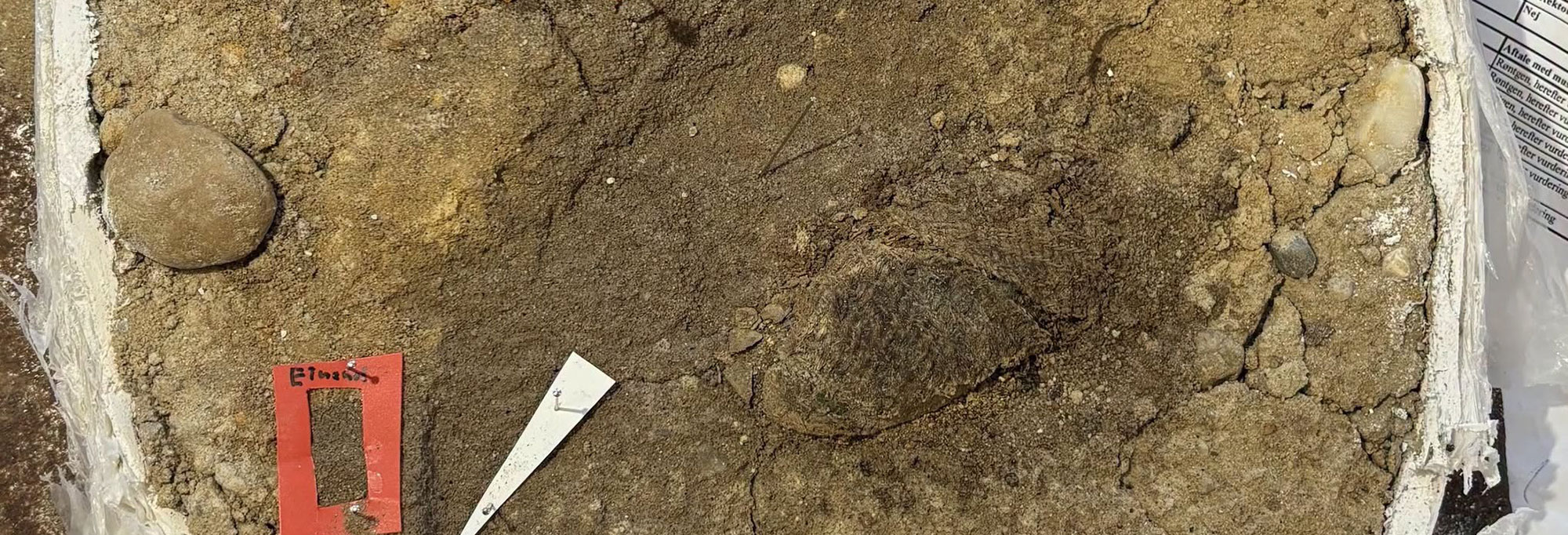
Meanwhile, a team from the University of Southern Denmark will study the deceased's teeth. Through this material, they hope to obtain clues about her age at the time of death, her general health status, the diet she consumed, and possible migration patterns throughout her life.
They will also look for signs of physical stress experienced during childhood or adolescence. This information will complement the study of the clothing and help create a more complete portrait of the living conditions of a Viking woman in the western Jutland region during the 8th century.