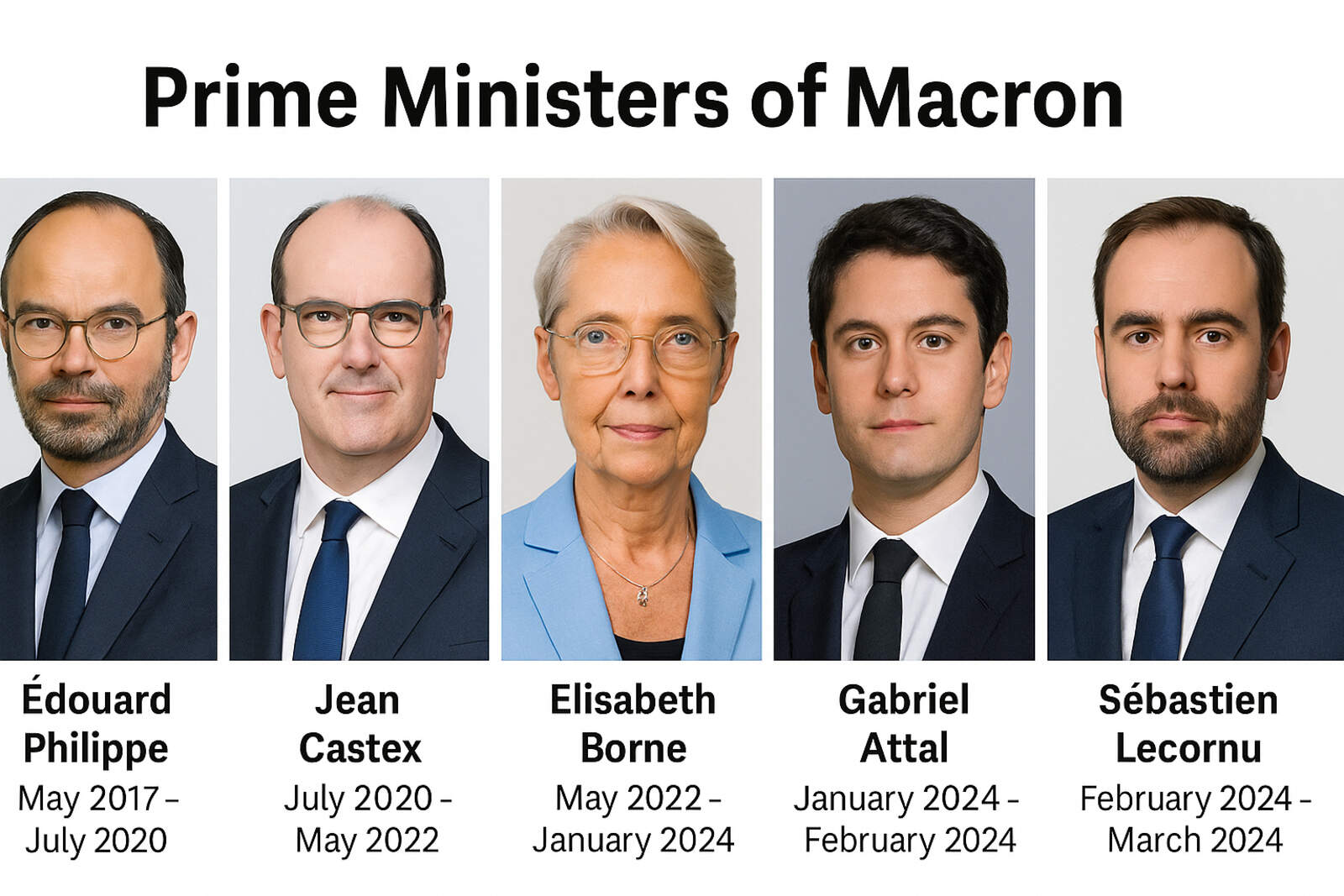

French Prime Minister Sébastien Lecornu submitted his resignation on Monday, just 26 days after taking office, amid a political crisis that exposes the deep exhaustion of Emmanuel Macron's government and the growing prominence of Marine Le Pen as an alternative.
Lecornu announced his resignation after meeting with Macron for an hour at the Élysée Palace. “The conditions were not in place to continue as prime minister,” he declared upon leaving, pointing to the lack of willingness among parties to reach consensus.
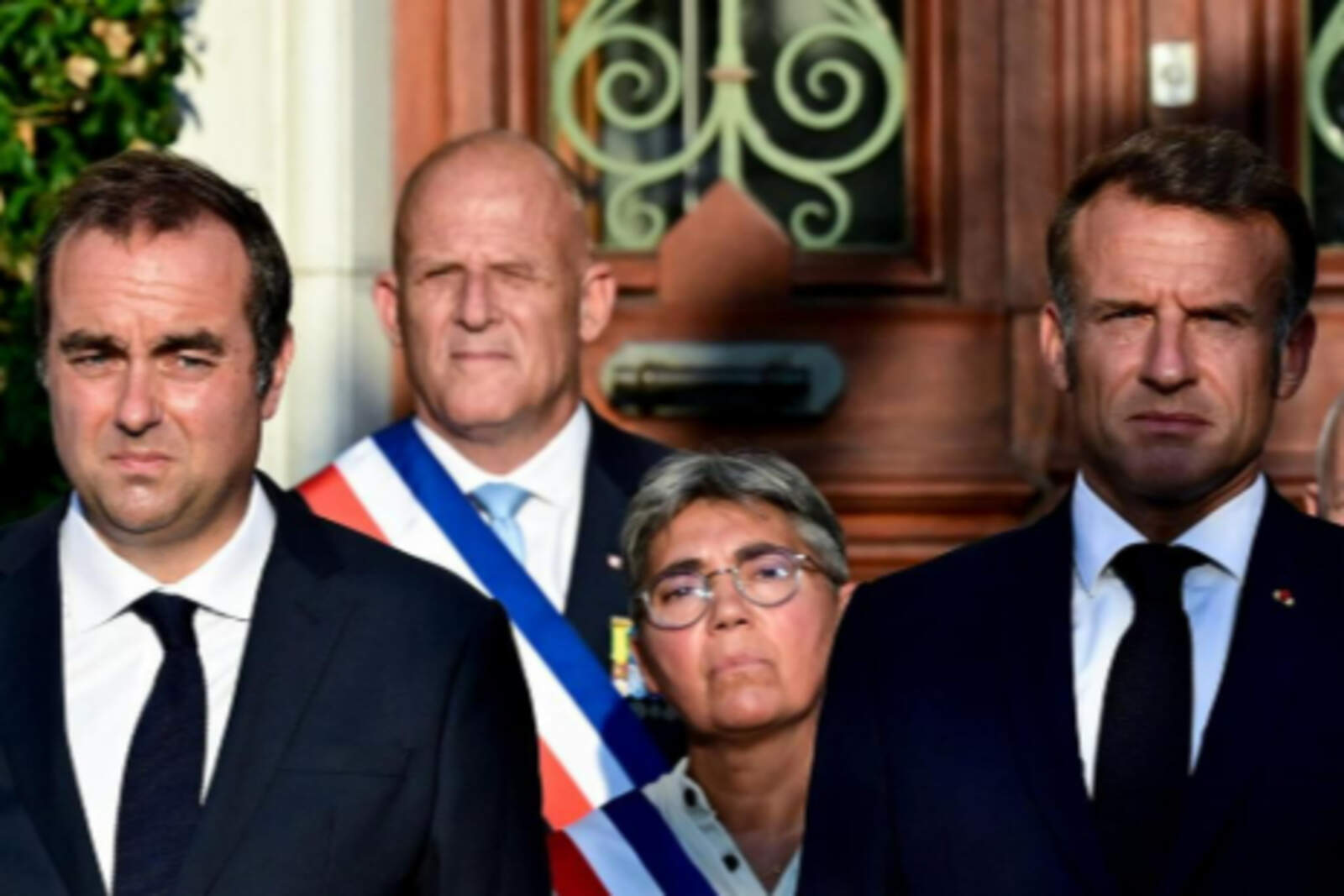
In a brief statement in front of the Hôtel de Matignon, the seat of government, Lecornu lamented the “partisan appetites” and criticized the political forces that “act as if they had an absolute majority.”
Lecornu's fall, who had been the fifth prime minister in less than two years, leaves Macron with no room for maneuver and confirms the breakdown of the Fifth Republic.
France without a government and a cornered president
President Emmanuel Macron accepted Lecornu's resignation without yet appointing a successor, now leaving it under his sole responsibility to define the country's direction. With the departure of the “last political resort” available to the president, France plunges into a new stage of uncertainty. The head of state faces three possible paths: appoint another prime minister, dissolve the National Assembly and call elections, or submit his own resignation, although he doesn't seem to be considering the latter option.
Markets reacted strongly to Lecornu's resignation. The Paris Stock Exchange opened the day with a drop of more than 2%, dragging down major banking and energy sector stocks, and reflecting fears of a prolonged institutional crisis.