
La Derecha Diario logo
ESX logoInstagram logoYouTube logoTikTok logoFacebook
ARGENTINABOLIVIAECUADORISRAELMEXICOURUGUAYDERECHA DIARIO TV
  • ES
    XInstagramYouTubeTikTokFacebook
  • DERECHA DIARIO TV
  • Secciones
  • ARGENTINA
  • BOLIVIA
  • ECUADOR
  • ISRAEL
  • MEXICO
  • URUGUAY
  • Países
  • La Derecha Diario logoLA DERECHA DIARIO
  • La Derecha Diario México logoLA DERECHA DIARIO MÉXICO
  • La Derecha Diario Uruguay logoLA DERECHA DIARIO URUGUAY
  • La Derecha Diario Ecuador logoLA DERECHA DIARIO ECUADOR
  • La Derecha Diario Israel logoLA DERECHA DIARIO ISRAEL
  • La Derecha Diario Estados Unidos logoLA DERECHA DIARIO ESTADOS UNIDOS
  • Temas
  • GUERRA EN IRÁN
  • El Diario
  • QUIENES SOMOS
  • AUTORES
  • PUBLICIDAD
  • DONAR

Genetic study reveals the key to Andean survival in Peru

Genetic study reveals the key to Andean survival in Peru
Imagen de Editorial Team
porEditorial Team
Argentina

Peruvian indigenous peoples have more copies of the amylase gene than any other population in the world, which allowed them to adapt to a diet rich in potatoes thousands of years ago

NuevoAgregar La Derecha Diario en
Compartir:

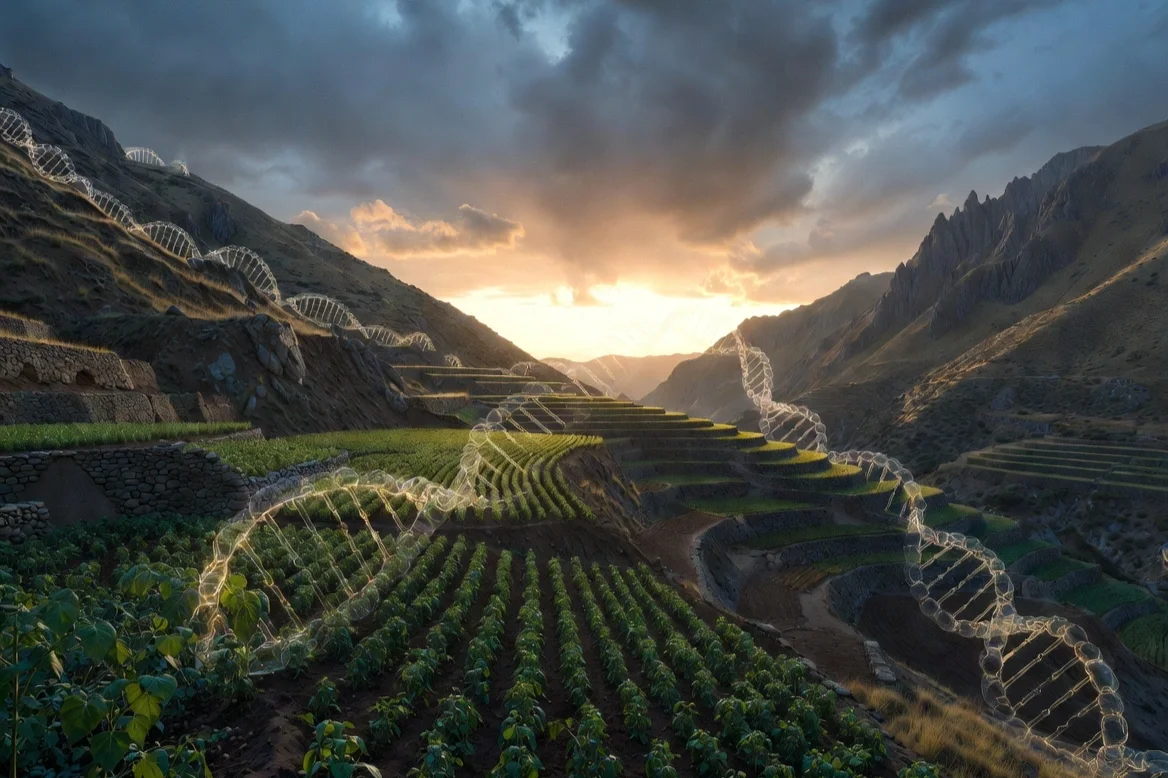
A recent genetic study offers fascinating clues about how the indigenous peoples of the Peruvian Andes managed to adapt and survive in one of the planet's most challenging environments. Researchers from the University of Buffalo analyzed data from over 3,700 people from 85 populations around the world and discovered that Peruvian Andes inhabitants have, on average, the highest number of copies of the gene responsible for salivary amylase.

Amylase is a digestive enzyme present in saliva that helps break down complex starches into simple sugars, facilitating their digestion. This finding largely explains how the ancient inhabitants of the region were able to incorporate potatoes—domesticated in the Andes about 10,000 years ago—as a fundamental part of their diet.
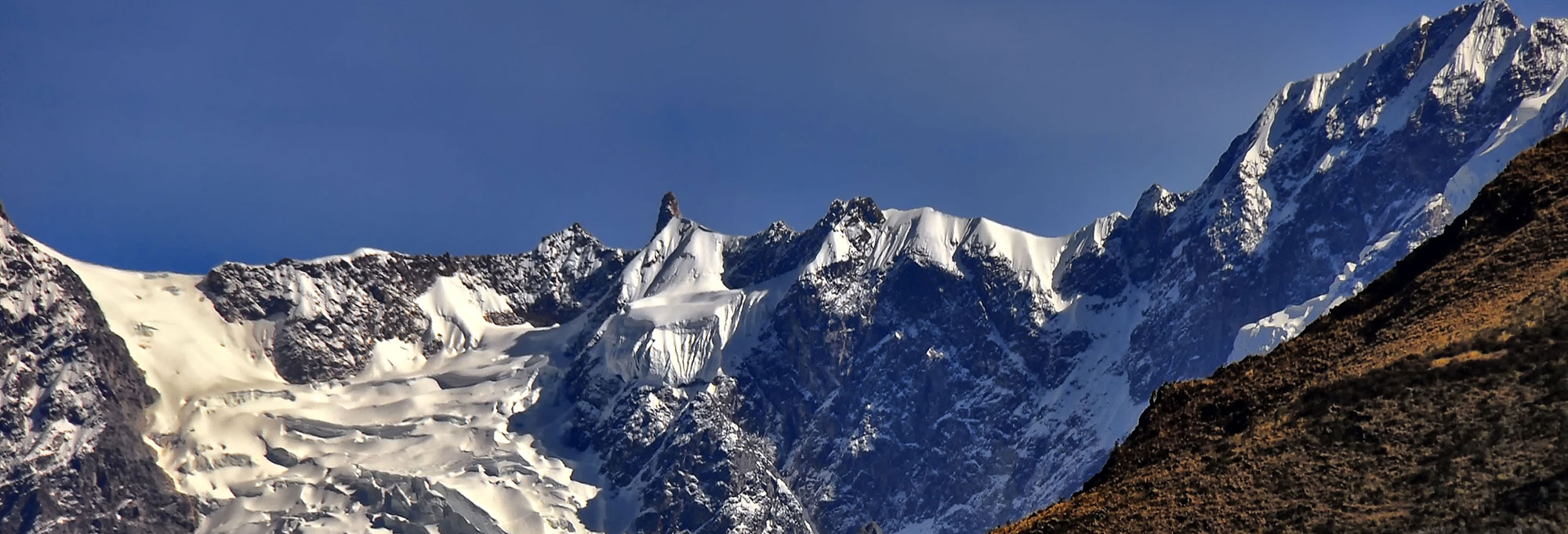

News - Genetic Study Offers Clues to Survival in the Peruvian Andes - Archaeology MagazineThe ability to produce more amylase represented a key evolutionary advantage, according to scientists. Those individuals with more copies of the gene likely had greater reproductive success, while those lacking these additional copies faced difficulties digesting a starch-rich diet.

Omer Gokcumen, one of the study's authors, emphasized the importance of this genetic trait. “It’s really a life or death situation,” he explained. The team focused on Peruvians because the number of samples from another group with high levels, the akimel o’odham of Arizona and Mexico, was insufficient to analyze signals of natural selection.

News - Genetic Study Offers Clues to Survival in the Peruvian Andes - Archaeology MagazineMillennia of adaptation to the Andean diet

Potatoes, native to the Andes, became an essential food for pre-Hispanic societies. Having more copies of the amylase gene allowed for better nutrition and possibly influenced aspects such as the gut microbiome, metabolism, and even the immune system, although researchers do not yet fully understand all the mechanisms.
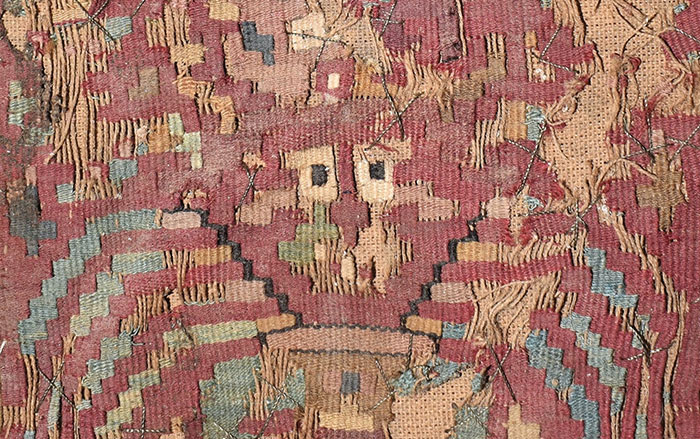
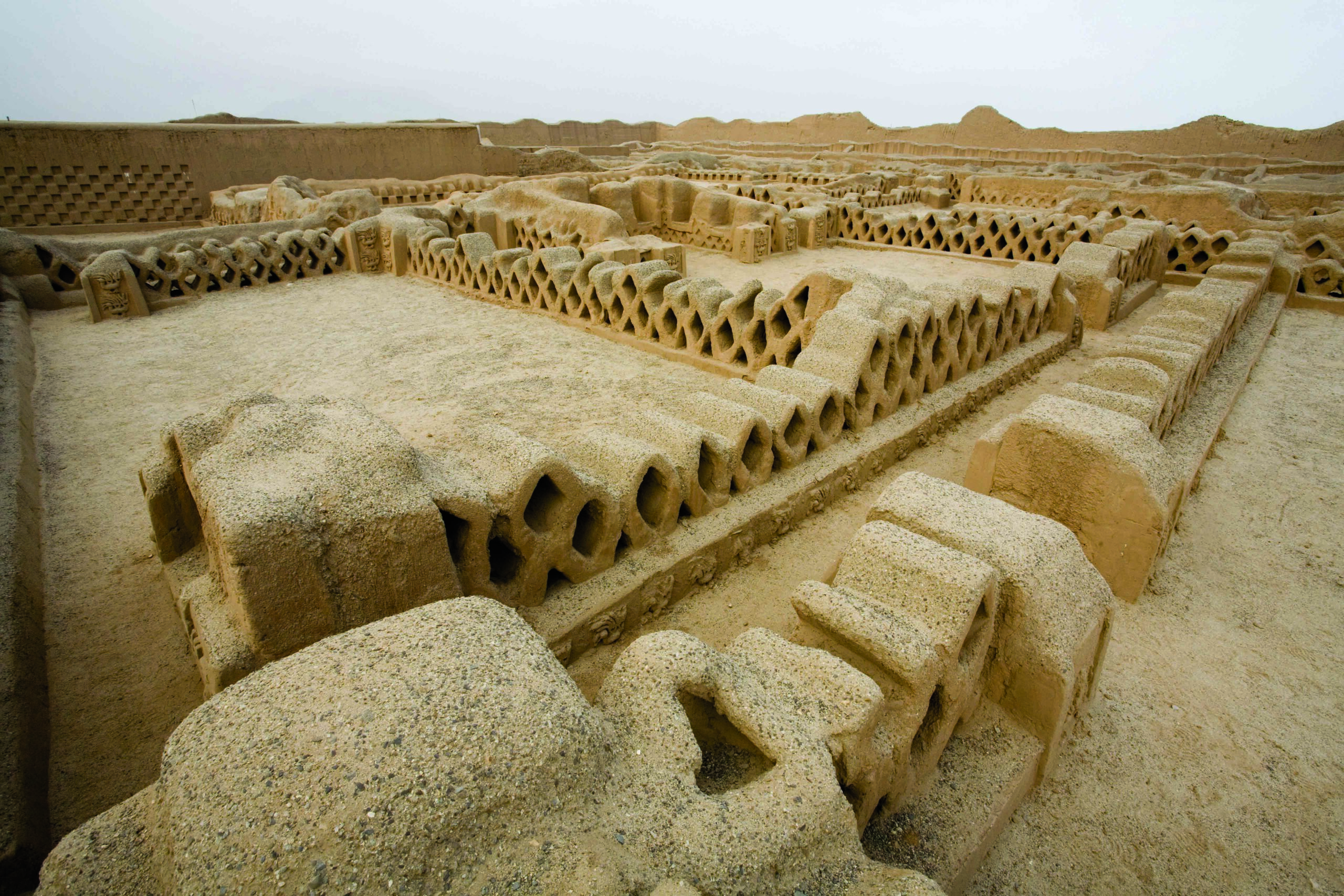
This genetic adaptation mechanism highlights the deep relationship between Andean peoples and their environment. For millennia, natural selection favored those who could better exploit local resources, contributing to the survival and development of complex cultures at high altitudes.


News - Genetic Study Offers Clues to Survival in the Peruvian Andes - Archaeology Magazine - image 2

News - Genetic Study Offers Clues to Survival in the Peruvian Andes - Archaeology Magazine - image 3

News - Genetic Study Offers Clues to Survival in the Peruvian Andes - Archaeology Magazine - image 4The results underscore how environmental factors shaped human biology in Peru, offering a window into the evolutionary history of these populations. The work, published in Nature Communications, opens new avenues for understanding genetic adaptations in different human groups.

Scientists continue to explore the implications of this finding, which not only sheds light on Andean history but also provides insight into how genes influence digestion and health in current populations. This research reinforces the importance of studying indigenous genetic diversity to better understand the history of humanity.


La Derecha Diario logo
TwitterInstagramYouTubeTikTokFacebook
Derecha Diario TV

Nosotros

  • Quienes Somos
  • Autores
  • Donar

Privacidad

  • Protección de datos
  • Canales
  • Sitemap
  • RSS

Contacto

  • info@derechadiario.com.ar
PUBLICIDAD

Noticias relacionadas

NASA showcased unprecedented images of a southern aurora viewed from space

NASA showcased unprecedented images of a southern aurora viewed from space

The CGT is analyzing a "French-style" strike scheme to destroy the economy and pressure Milei

The CGT is analyzing a "French-style" strike scheme to destroy the economy and pressure Milei

A sealed Super Mario Bros sells for a record 3 million dollars

A sealed Super Mario Bros sells for a record 3 million dollars

Delcy Rodríguez admitted the neglect of the energy sector during the governments of Chávez and Maduro

Delcy Rodríguez admitted the neglect of the energy sector during the governments of Chávez and Maduro

UFC 250 Freedom: the historic event at the White House with Topuria and Pereira

UFC 250 Freedom: the historic event at the White House with Topuria and Pereira

These are the 26 records that Brazil will defend in the 2026 World Cup

These are the 26 records that Brazil will defend in the 2026 World Cup