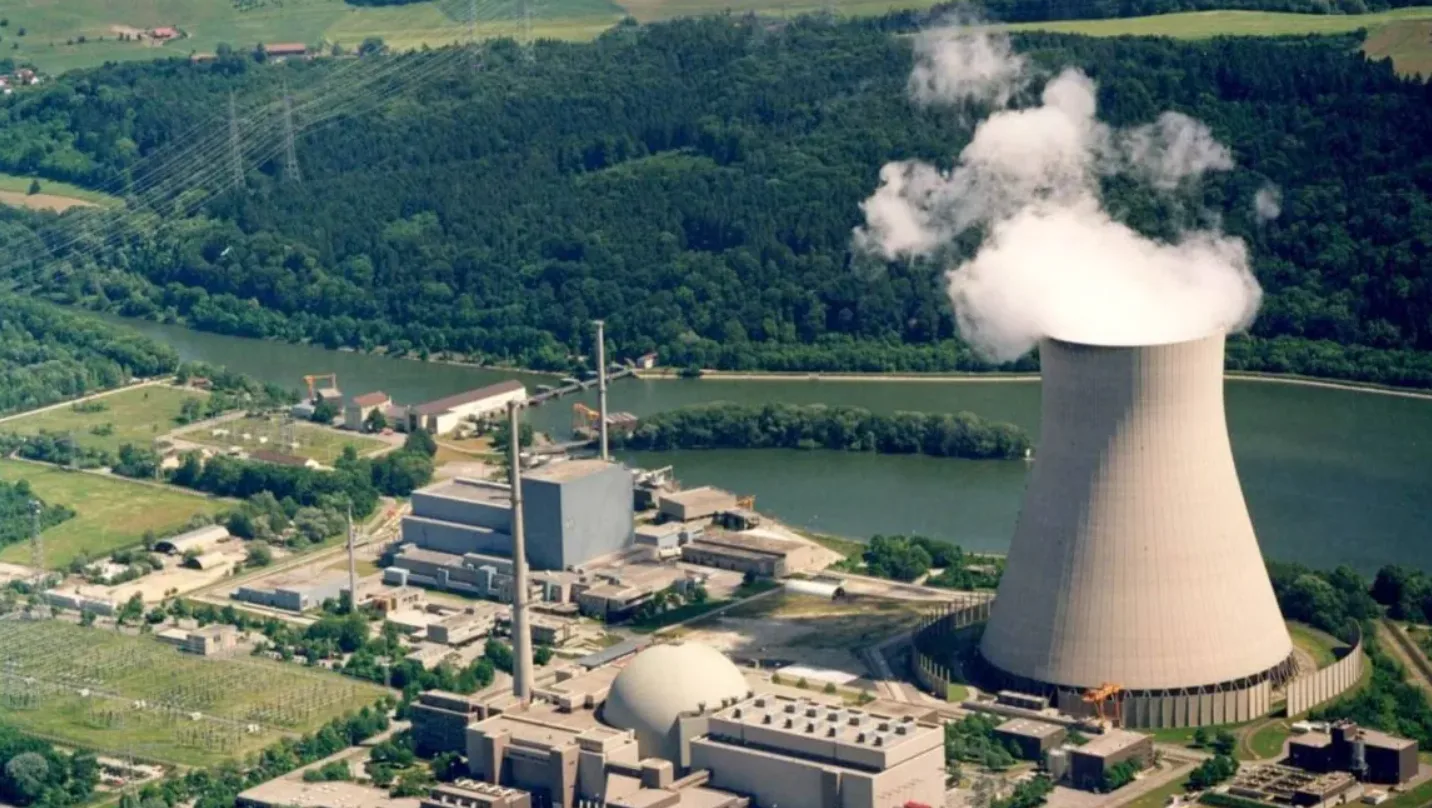
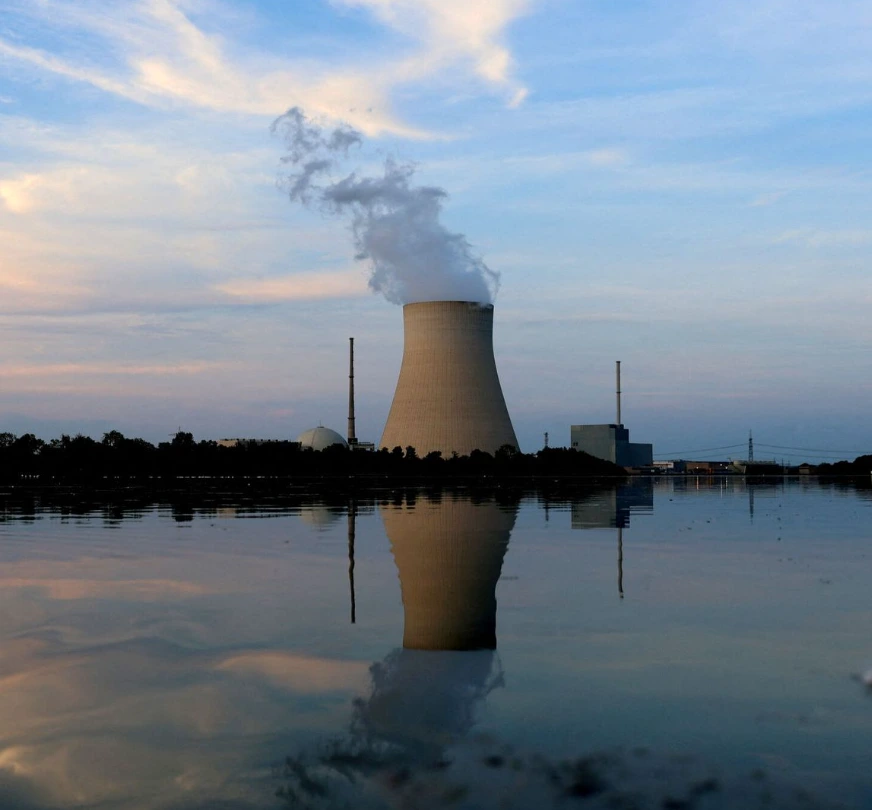
The dismantling of the facilities continues and has removed a source of generation that provided electricity consistently from the system. The decision continues to fuel the debate over Germany's ability to ensure a competitive and stable supply, especially in light of the growing industrial demand.
The situation is particularly striking because now some of the former nuclear facilities are being reconsidered for their infrastructure. E.ON, one of Europe's leading energy operators, is exploring the possibility of repurposing old nuclear sites to install data centers. The company highlighted that these sites may have high-capacity electrical connections and other usable industrial facilities.
Data centers and artificial intelligence exacerbate pressure on the system
The growth of artificial intelligence is increasing the energy needs of major economies. Data centers require a permanent supply and connections capable of supporting very high loads, making access to electricity a determining factor in deciding where to install new investments.
Germany is facing an increasingly serious problem for its industrial and technological development: the electrical infrastructure is not advancing at the pace of energy demand. The expansion of transmission and distribution networks is accumulating delays, while new data centers and industrial facilities need high-capacity connections to operate.
The situation was highlighted by the German newspaper BILD, which described an emergency scenario for projects seeking access to the electricity supply. The problem does not necessarily stem from a lack of companies willing to invest, but rather from insufficient infrastructure to guarantee them energy within the required timeframes.
The difficulty is particularly relevant at a time when Germany is seeking to regain industrial competitiveness and attract investments related to artificial intelligence. Data centers require enormous amounts of electricity and need stable connections, while modern factories depend on a reliable supply to expand their production.
The German electrical grid cannot keep pace with investments
One of the main obstacles is the time it takes to build new transmission lines, expand substations, and enable high-capacity connections. While industrial and technological projects advance in their planning and construction stages, the energy infrastructure requires much longer timelines.
A report from October 2026 indicated that connections to the grid in Germany can take up to seven years, and even between ten and fifteen years according to estimates from a German energy company. The saturation is also related to the enormous number of connection requests for battery storage facilities, which compete for available capacity with other industrial and technological projects.
The German power grid is unable to keep up with investments
During the first half of 2026, the four German transmission operators received 346 connection requests totaling a capacity of 147 gigawatts. A considerable proportion corresponded to energy storage projects.
The result is an increasing competition for access to electrical infrastructure. Having capital, land, and technology no longer guarantees that a company can launch its facilities within the expected timelines.
The closure of nuclear power plants and the debate over energy security
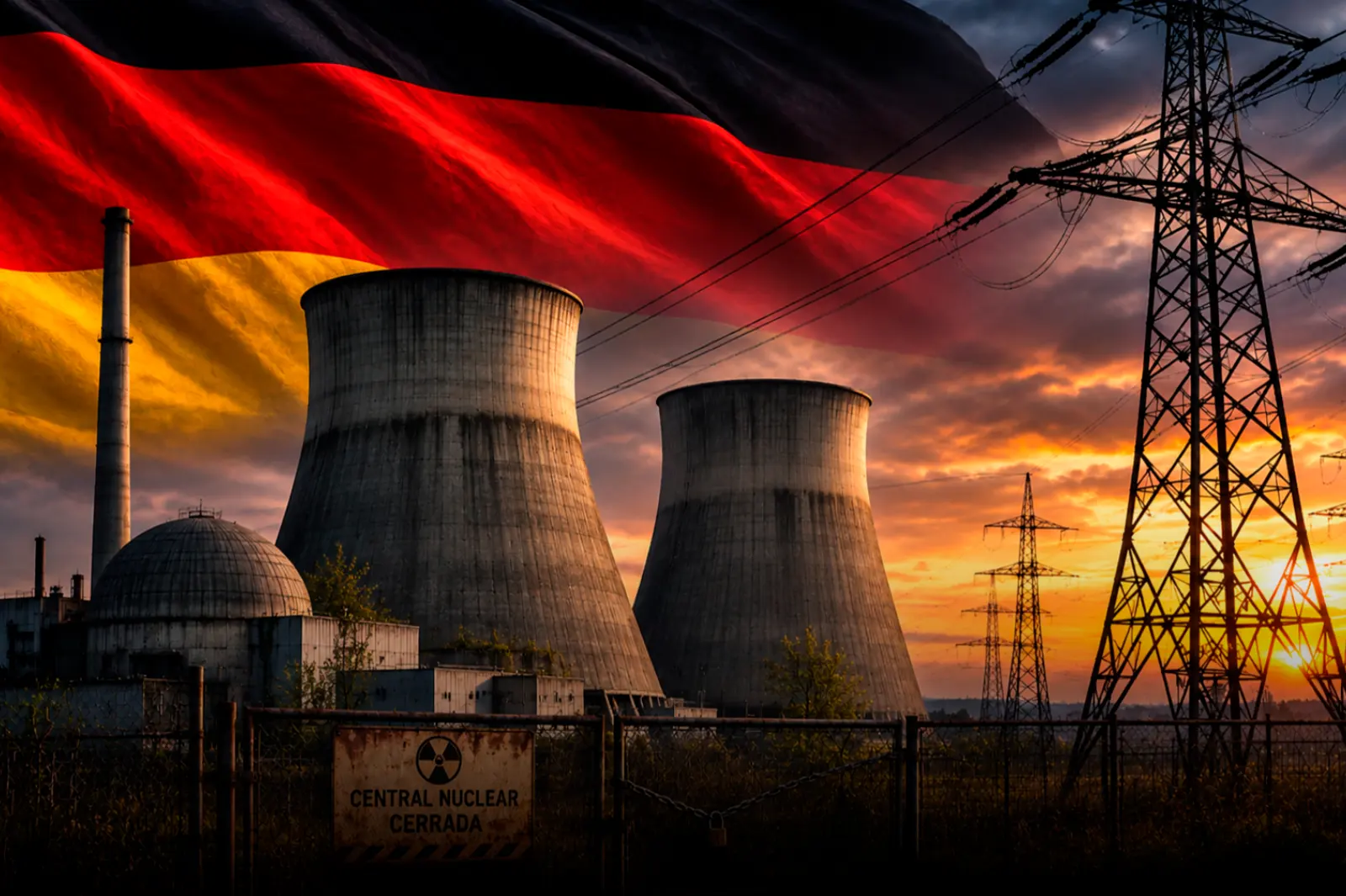
To the infrastructure difficulties is added a decision that profoundly changed the German energy system: the abandonment of nuclear generation. The country ended its six decades of electricity production through nuclear power plants on April 15, 2023, after completing the exit process that had been accelerated following the Fukushima accident in 2011.
Data centers and artificial intelligence aggravate pressure on the system
Germany is seeking to position itself in this market, but the lack of available capacity threatens to delay projects and reduce the attractiveness of certain locations. Companies need certainty about connection timelines before committing to multimillion-dollar investments.
The situation is not exclusive to the country. Delays in electrical networks have become a problem for various European markets, where infrastructure expansion is not keeping pace with the growth of technological and industrial demand.
Germany seeks solutions to the electrical bottleneck
In light of this scenario, the German government has begun to promote changes to organize connection requests and prioritize certain projects. Among the alternatives are new rules for assigning capacity, expanding networks, and developing storage systems.
There is also consideration to facilitate data centers having their own generation or backup facilities, rather than relying exclusively on the public grid.
The challenge is considerable: Germany needs to ensure sufficient electricity to sustain its industry, attract technological investments, and compete in the development of artificial intelligence.
The connection crisis exposes a contradiction in the German energy model: the transition to a system with greater participation of renewables requires infrastructure that is still not expanding at the necessary pace. Without networks capable of transporting and distributing energy, even projects that have financing and technology can become stalled.