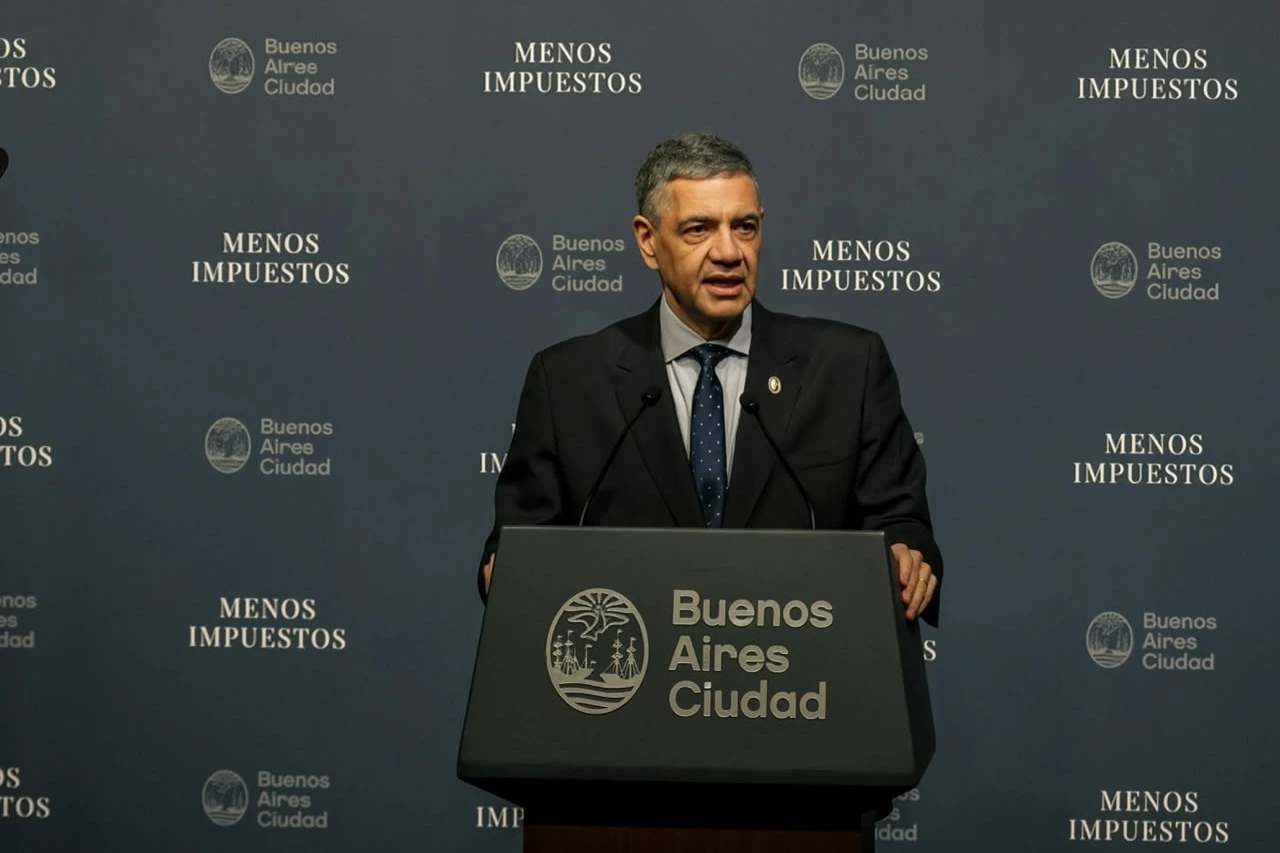

The Government of the City of Buenos Aires has launched a new incentive regime to attract private investments and strengthen small and medium-sized enterprises. This is the Medium Investment Incentive Regime (RIMICABA), a tool promoted by Jorge Macri's administration that will allow the recovery of 25% of the invested capital through advance payments on the Gross Income tax.
The initiative serves as a local complement to the national Large Investment Incentive Regime (RIGI) and aims to facilitate the expansion of companies, modernize their facilities, and promote new productive projects.
The program also includes tax exemptions, access to preferential financing from Banco Ciudad, and priority for investments that are established in strategic areas, especially in the southern part of the city and the Microcenter.
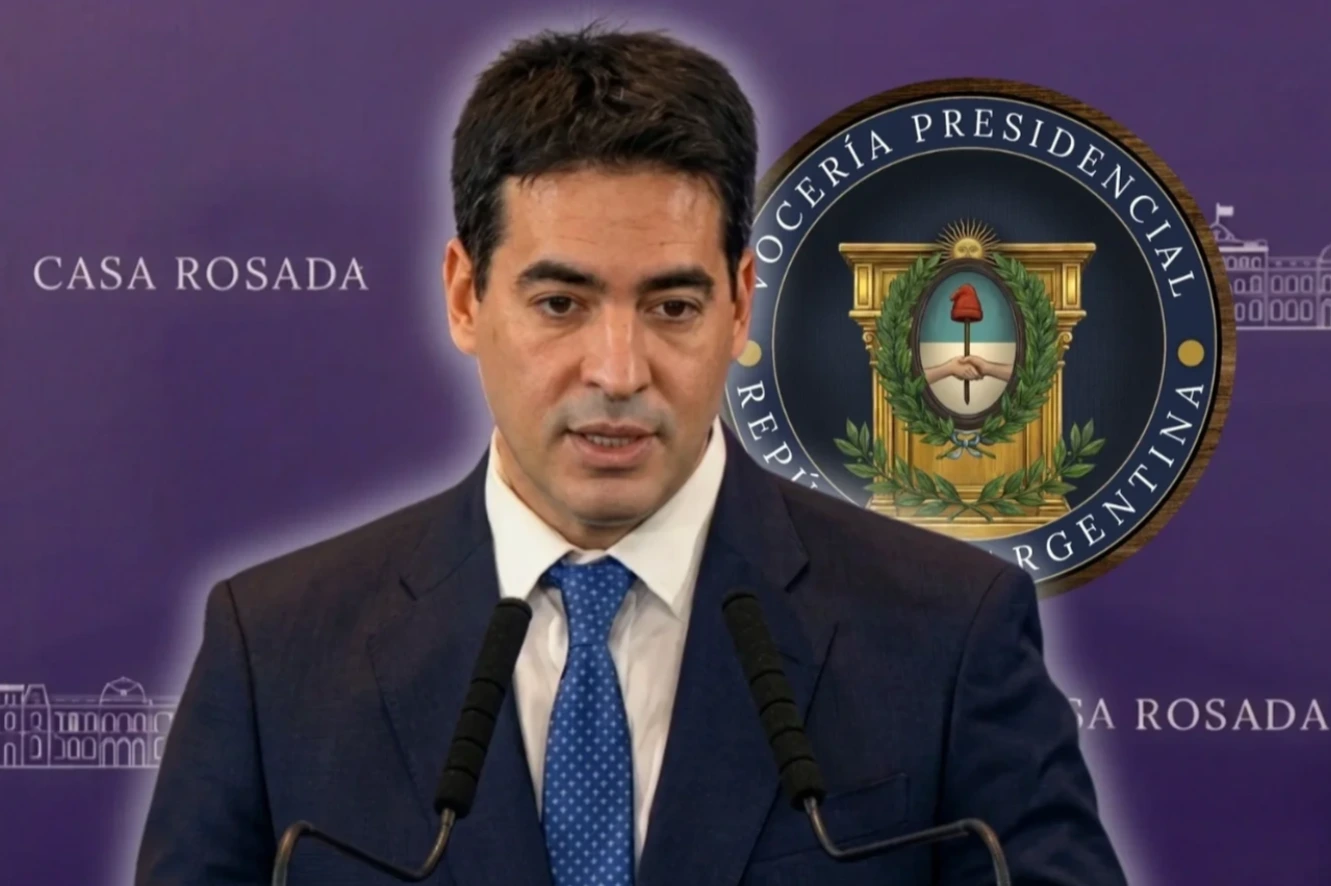
“We continue to reduce taxes. The RIMICABA is already underway, a Medium Investment Incentive Regime. Companies that register will be able to deduct 25% of what they invest from Gross Income,” said Jorge Macri when presenting the tool to business leaders.
How the new incentive regime for SMEs works
The main benefit of RIMICABA is to allow companies to account for 25% of their investments as advance payment on Gross Income. Additionally, the regime includes exemptions on the Stamp Tax for certain productive works and benefits regarding property tax and ABL.
This is complemented by a line of preferential credits from Banco Ciudad, designed to facilitate access to financing for companies looking to expand their productive capacity.
The economic scope of the program can be observed in the examples presented by the city government. A microenterprise dedicated to baking that invests US$125,000 to renew its machinery or expand its production could receive an incentive exceeding $46 million. According to official estimates, this benefit equates to a 58% reduction in Gross Income over 24 months.
In the case of a small company investing US$800,000 in a robotic warehouse, equipped with state-of-the-art technology applied to logistics, the economic support would be around $297 million. The tax benefit would amount to 131% of Gross Income over the next two years.
For larger projects, such as an imaging diagnostic center with an investment exceeding US$4 million, the support could exceed $1.5 billion, with a tax benefit equivalent to 96% of Gross Income.
The southern part of the city and the Microcenter will have priority to attract investments
One of the central objectives of RIMICABA is to promote the economic development of areas that the city seeks to revitalize. Therefore, projects established in the southern part of the city and the Microcenter will have priority within the regime.
In the Microcenter, the program aims to support the development of the Productive Transformation Area, where the Artificial Intelligence District is projected to be established. In the southern part of the city, the incentives will be aimed at strengthening the Priority Development Area.
The regime seeks to attract investments in sectors considered strategic for productive transformation, including:
Information and communication technology.
Artificial intelligence, data analysis, and automation.
Biotechnology, life sciences, and medical technology.
Green economy, renewable energies, and energy efficiency.
Creative and cultural industries.
Technological education and advanced vocational training.