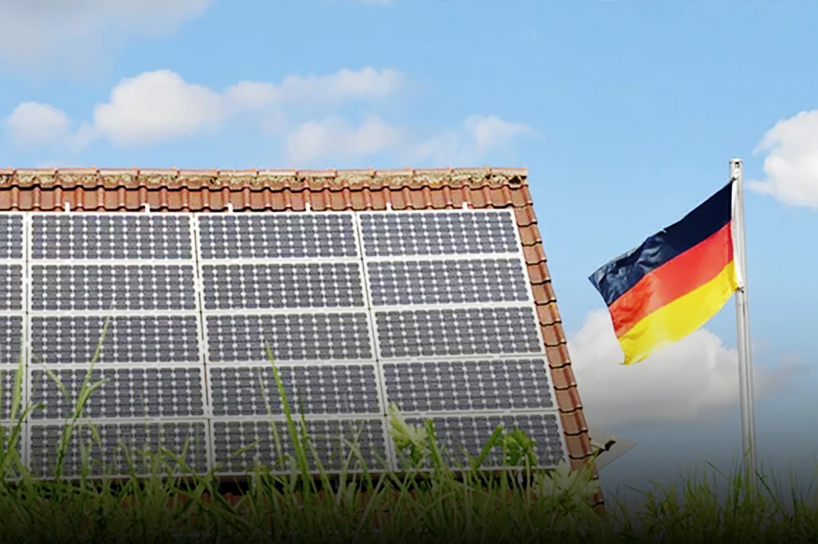

Germany has made one of the biggest shifts in Europe regarding energy after the government reversed one of the most emblematic policies of the woke climate agenda, approving the reform of its controversial heating law and eliminating the requirement for new systems to operate with at least 65% renewable energy, which will allow the installation of gas and oil heating systems for many more years.
The decision represents a significant setback for European environmentalism and marks a historic change for a country that over the last decade had become one of the main drivers of energy restrictions within the European Union, amid a strong social backlash against extremist environmentalism due to the severe economic impact these policies had on German families, businesses, and industries.

The reform was driven by the Minister of Construction, Verena Hubertz, from the SPD, and the Minister of Economy Katherina Reiche, from the CDU. The new scheme eliminates automatic prohibitions and adopts a much more flexible model for homeowners and businesses.
Additionally, the German government directly eliminated the total ban planned for 2045 on boilers powered exclusively by fossil fuels. The previous legislation stipulated that these systems could not continue to be used after December 31, 2044, but that limit has now disappeared.
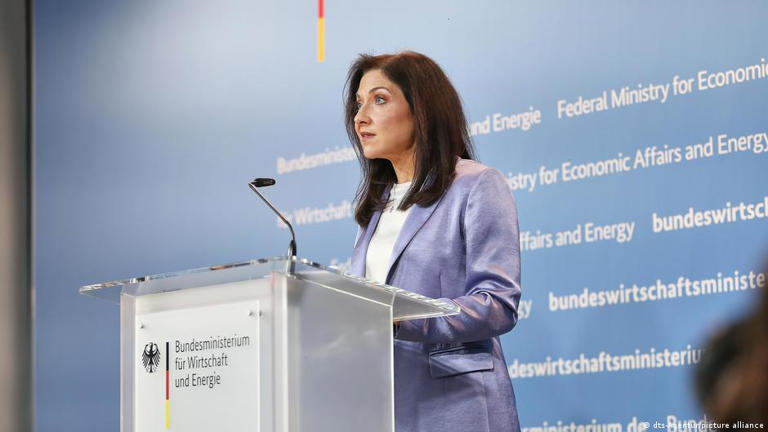
The Executive defended the reform by arguing that it will reduce energy costs and alleviate economic pressure on millions of German families and businesses. According to official figures, the measure would generate an annual savings of around 5.1 billion euros for citizens and another 2.3 billion for companies.