An internal report by the Venezuelan state oil company PDVSA revealed that shell companies linked to Nicolás Maduro's environment diverted at least $11 billion in oil revenues between 2021 and 2022, in what appears to be one of the country's biggest recent financial scandals.
According to the documentation, the companies involved exported large volumes of crude oil without the state company receiving the corresponding payments, which meant a million-dollar loss for the public coffers.
The scheme would have been coordinated by businessmen close to power, with a central role attributed to Carlos Malpica Flores, a former key official in the government's financial area and with privileged access to oil operations.
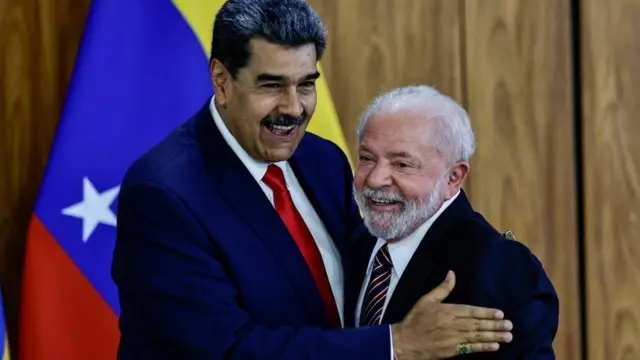
Former dictator Nicolas Maduro with communist Lula da Silva
Records indicate that these operations were carried out through contracts assigned to shell companies, which operated outside official marketing channels. As a result, the oil was sold in international markets without the revenues entering PDVSA
.
The economic impact is significant. According to data from the Central Bank of Venezuela cited in the investigation, the amount diverted represents approximately half of the country's oil revenues in that period, which shows the magnitude of the scheme
.
In addition, complementary reports indicate that between 2019 and 2022, nearly 240 shipments of crude oil left the country without payment, bringing the total damage to about 13 billion dollars.
Among the companies involved is a firm registered in China that went on to become one of the main exporters of Venezuelan oil, operating under unclear conditions and with atypical payment mechanisms, including transactions in local currency instead of foreign currency.
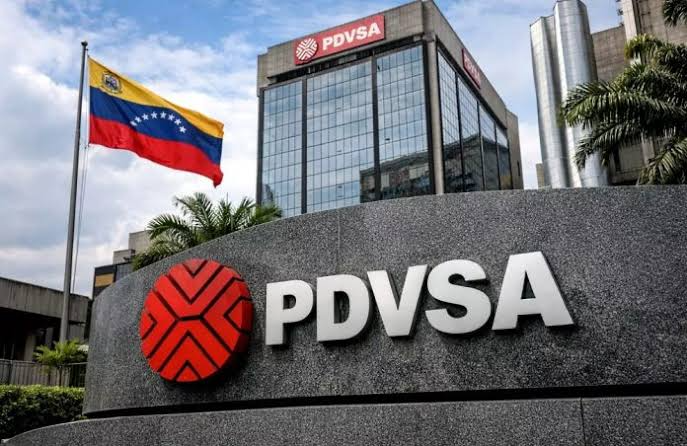
Headquarters of the Venezuelan state oil company PDVSA
The case brings back to the center of the debate the lack of transparency in the management of public resources in Venezuela, especially in the oil sector, historically the country's main source of income
.
This type of scheme not only affects state finances, but also weakens the country's ability to sustain its economy in a context of protracted crisis.
The disclosure of these documents reinforces allegations of irregularities in PDVSA and raises questions about the fate of billions of dollars generated by oil exports.
In this context, the scandal exposes the dimension of structural problems in the management of Venezuelan energy resources and their long-term economic consequences.