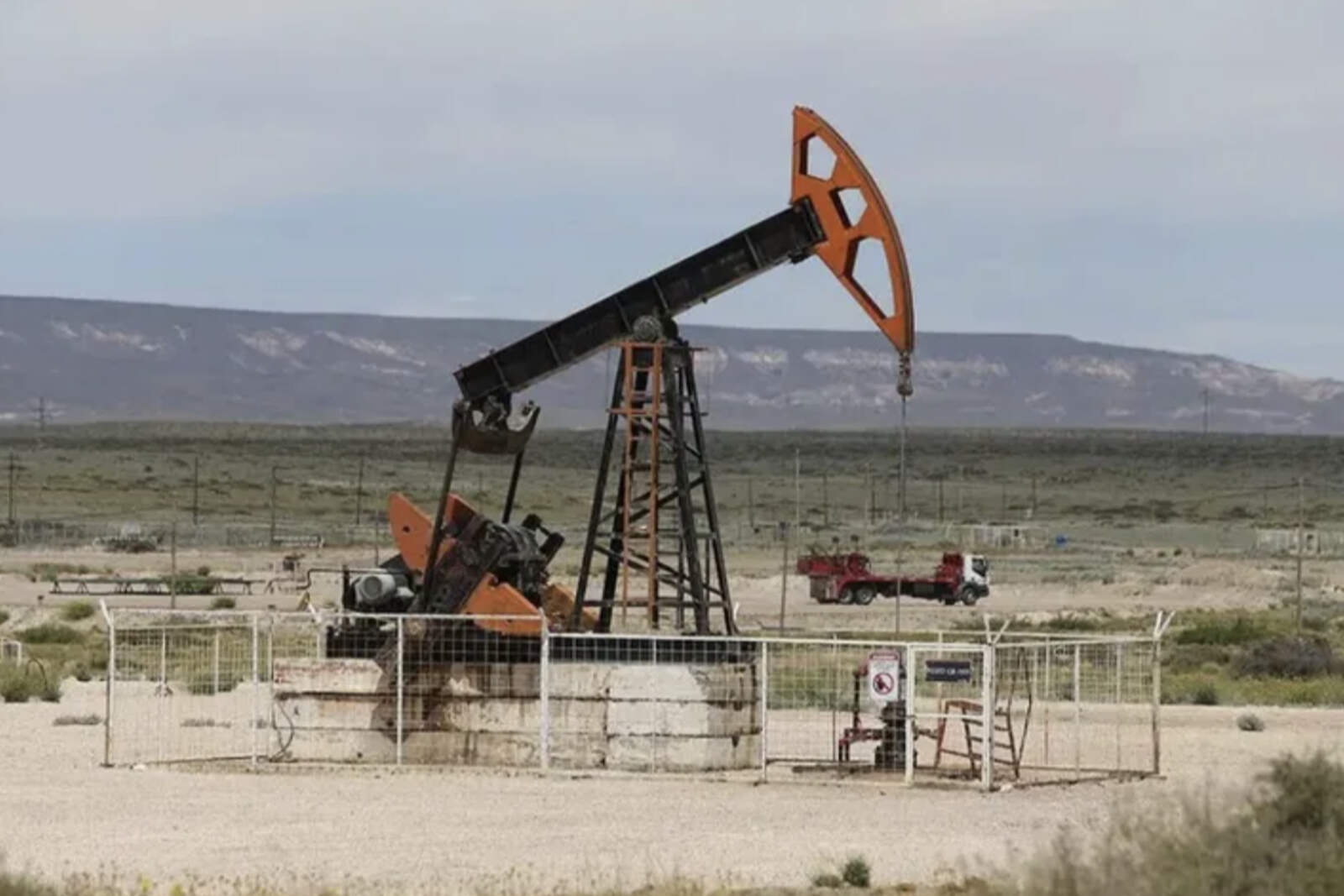
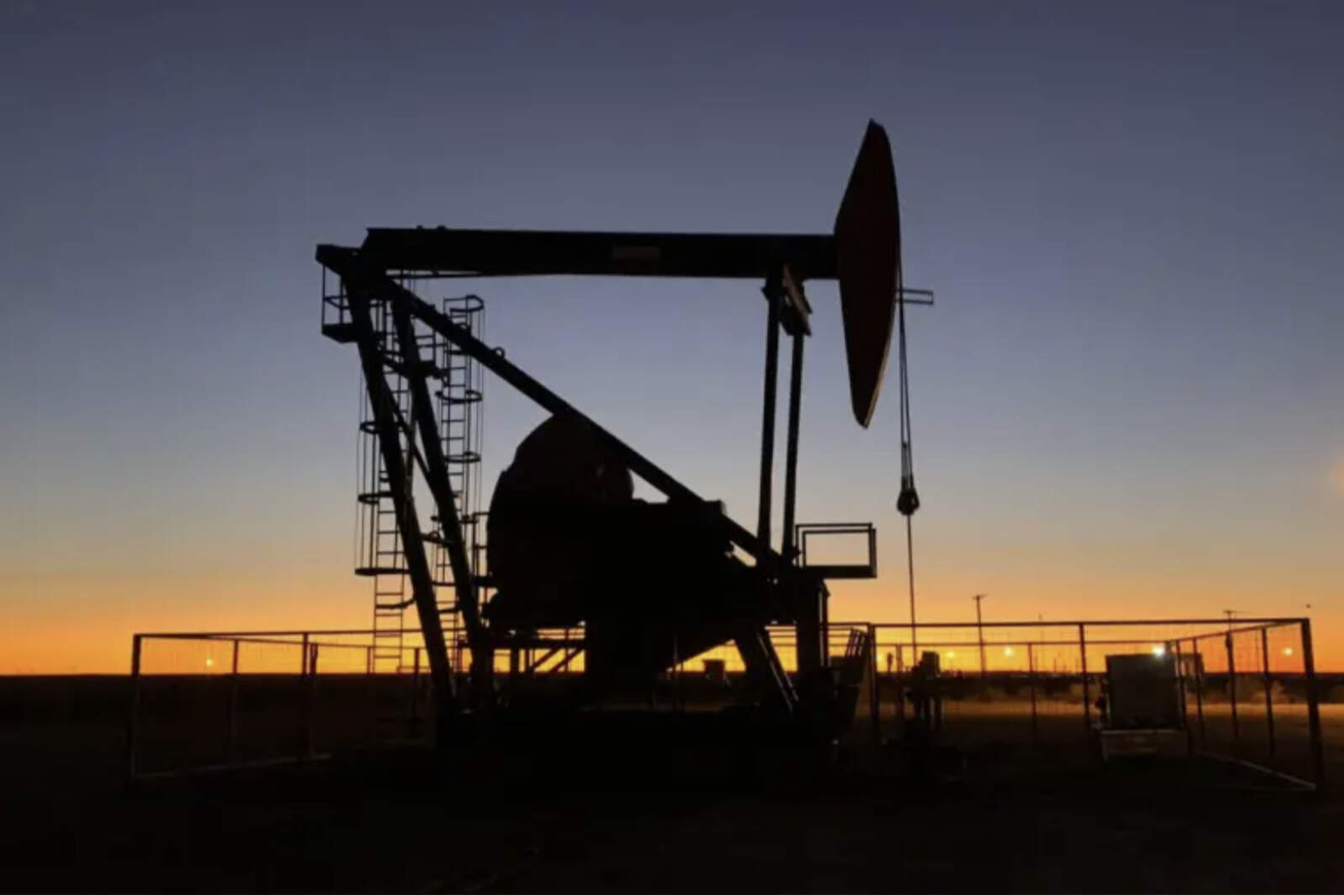
Impact on the domestic crude price
Conventional oil doesn't currently account for the bulk of Argentine exports, which are dominated by shale oil. However, the reduction in export duties has a direct impact on the domestic price received by producers.
In practice, the 8% export duty is deducted from the export parity price that local refineries use as a reference. By eliminating that cut, the value of the conventional barrel automatically improves, strengthening the economic equation of existing contracts.
For example, with Brent around US$65, the removal of export duties implies an improvement of close to US$5 per barrel for producers.
To ensure that the benefit applies exclusively to conventional crude, the Secretariat of Energy will have to audit each concession area. The State will monitor injection by productive area and will thus determine what percentage effectively corresponds to conventional fields. The oversight process will formally begin within the next 60 days.

Recovery of conventional oil
Despite the boom in Vaca Muerta, conventional oil still represents almost one-third of the country's total production and is key to supplying local refineries.
With this tax relief, Argentina sends a clear signal to the market: energy is once again a strategic priority. By improving the competitiveness of conventional oil and complementing the development of Vaca Muerta, the country strengthens its profile as a reliable producer, capable of transforming natural resources into investment, employment, and exports.