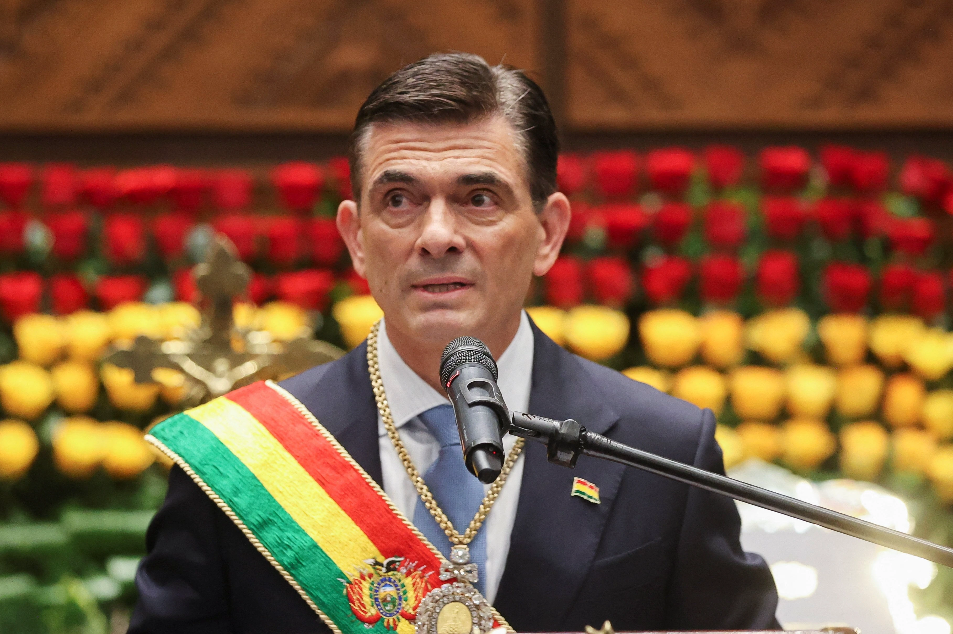
The government of Rodrigo Paz announced the raising of $1 billion through the issuance of sovereign bonds in international markets, in a financial operation aimed at strengthening international reserves and strengthening the state budget in the midst of the economic crisis caused by the government of Luis Arce.
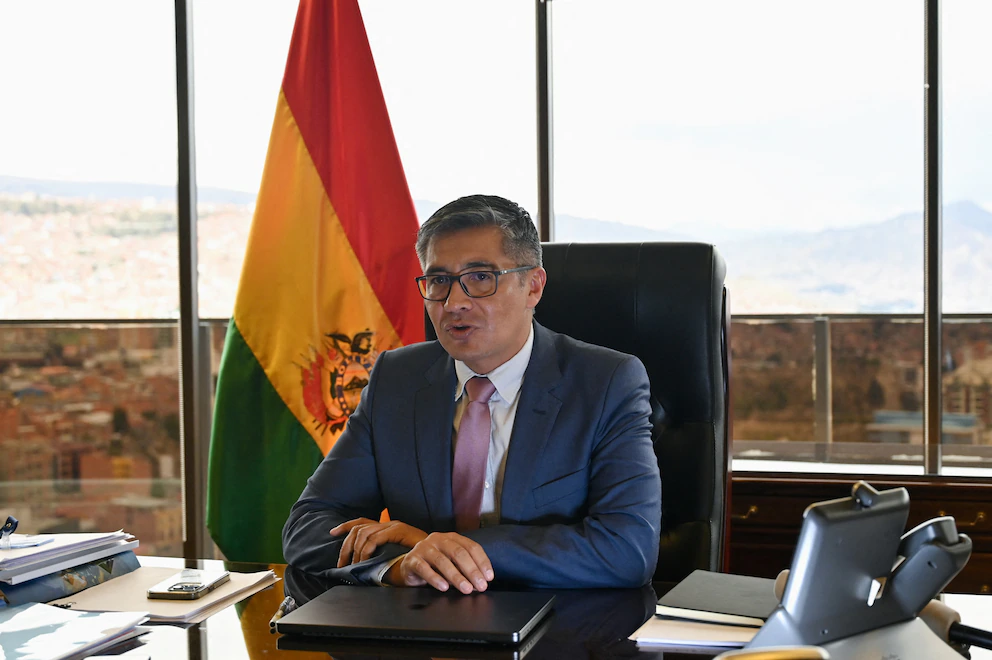
The Minister of Economy, José Gabriel Espinoza, confirmed that the debt was placed with an interest rate of 9.45% and a term of five years. As explained by the official, the funds will be used to strengthen net international reserves, finance public investment and sustain areas such as health, education and regional development
.
The government also highlighted the strong international interest in Bolivian bonds. According to Espinoza, more than 166 international investors participated and demand was five times higher than the amount initially offered by the country
. Bolivian Economy Minister José Gabriel Espinoza
The transaction marks Bolivia's return to international debt markets after several years of financial difficulties and economic deterioration. The minister himself stated that “six months ago it was practically impossible” for the country to be able to attract foreign funding again under these conditions
.
Bolivia is going through an economic crisis that began to deepen since 2023, mainly due to the scarcity of dollars, the fall in international reserves and the slowdown of strategic sectors such as hydrocarbons and mining due to the then socialist government. The country's international reserves fell from more than $15 billion in 2014 to about $3.5 billion in the first quarter of
2023.
In recent months, the Rodrigo Paz government has promoted various measures to stabilize the financial system. These include the partial authorization of withdrawals in dollars, the normalization of remittances and new international agreements related to lithium and critical minerals
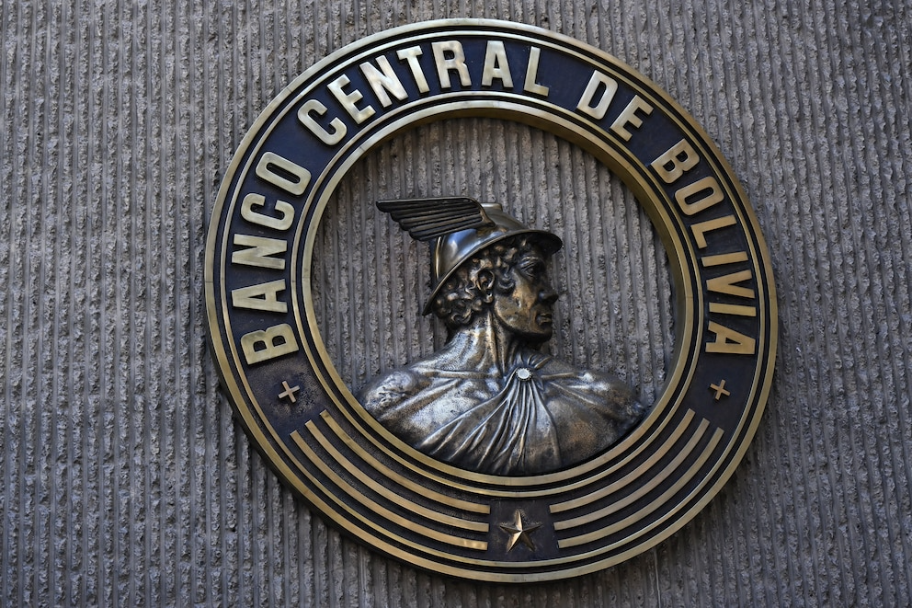
. The logo of the Central Bank of Bolivia
Bolivian authorities maintain that the issuance of bonds reflects an improvement in international market confidence and a reduction in country risk. In addition, they stressed that the income of these funds will make it possible to give greater stability to fiscal and monetary policy
.
In this context, the financial operation appears to be one of the main economic movements of the new Bolivian government, which seeks to recover liquidity, stabilize the financial system and rebuild international confidence after years of economic deterioration.