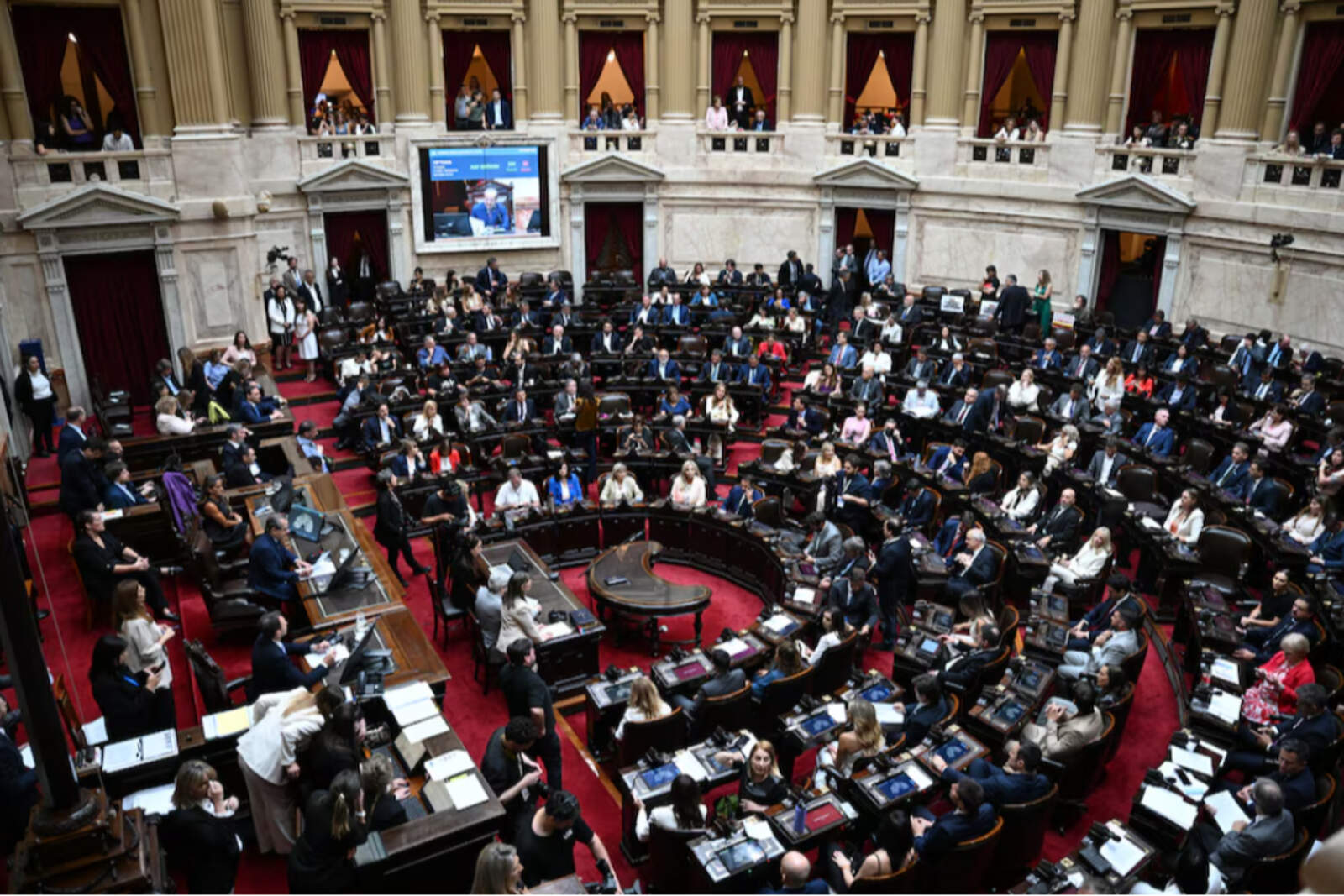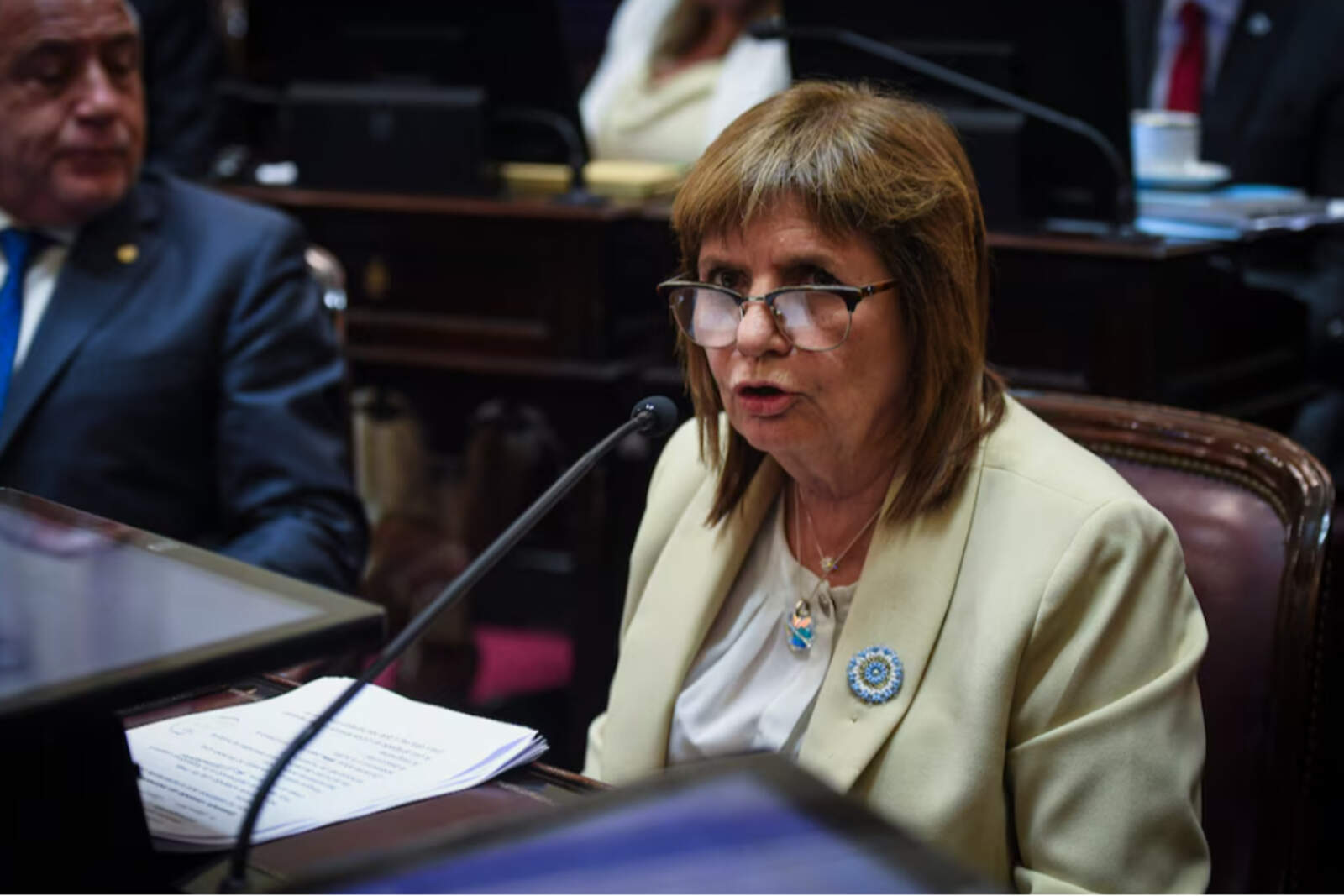

The national government sent the Juvenile Criminal Regime Reform Bill to the National Congress, with the aim of it being debated immediately in committees and on the floor of the Chamber of Deputies. The initiative, which had already been introduced last year, once again places the lowering of the age of criminal responsibility at the center of the debate, one of society's most persistent demands in the face of the rise in juvenile crime.
The original text proposes reducing the age of criminal responsibility from 16 to 13 years for serious crimes, although members of the ruling party admit that parliamentary consensus could ultimately set the minimum at 14 years, as dialogue-oriented blocs such as PRO and UCR have already anticipated.
Guaranteed funding and specific budget items
One of the points that had caused the greatest criticism in the previous version of the bill was the lack of funding. That objection was solved in recent hours after a meeting between the heads of the parliamentary blocs and the president of the Chamber of Deputies, Martín Menem.
The bill incorporates Article 51, under the title of Budget Allocation, which establishes a specific amount of $23,739,155,303.08 for the implementation of the new regime during 2026. The budget details the funds allocated to both the Ministry of Justice and the Office of the Public Defender, and it authorizes agreements between the national government and the provinces for the construction of new specialized institutions.
Crimes covered and penalties provided
The initiative keeps the lowering of the age of criminal liability for serious crimes, including: