The film world is once again at the center of controversy after turning George Orwell's classic into a family-friendly and 'anti-capitalist' version
Nuevo
Agregar La Derecha Diario en
Compartir:
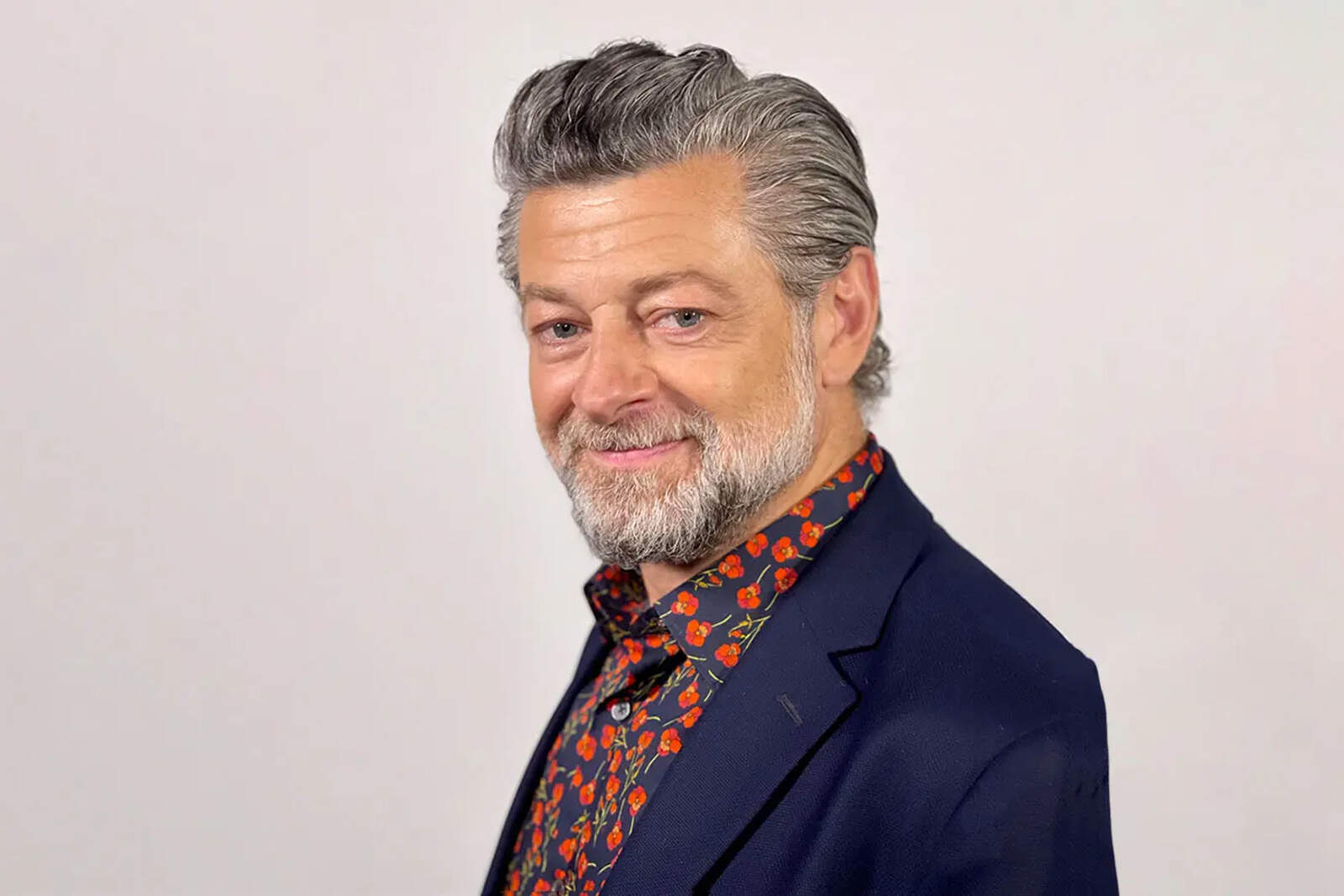
The new film adaptation of "Animal Farm," directed by socialist Andy Serkis, has sparked intense controversy following the release of its first trailer, with critics accusing Hollywood of distorting the central message of George Orwell's work.
Readers, academics, and social media users argue that the film abandons the critique of communist totalitarianism present in the original novel to transform it into an anti-capitalist fable with an optimistic ending, in open contradiction to the spirit of the book.
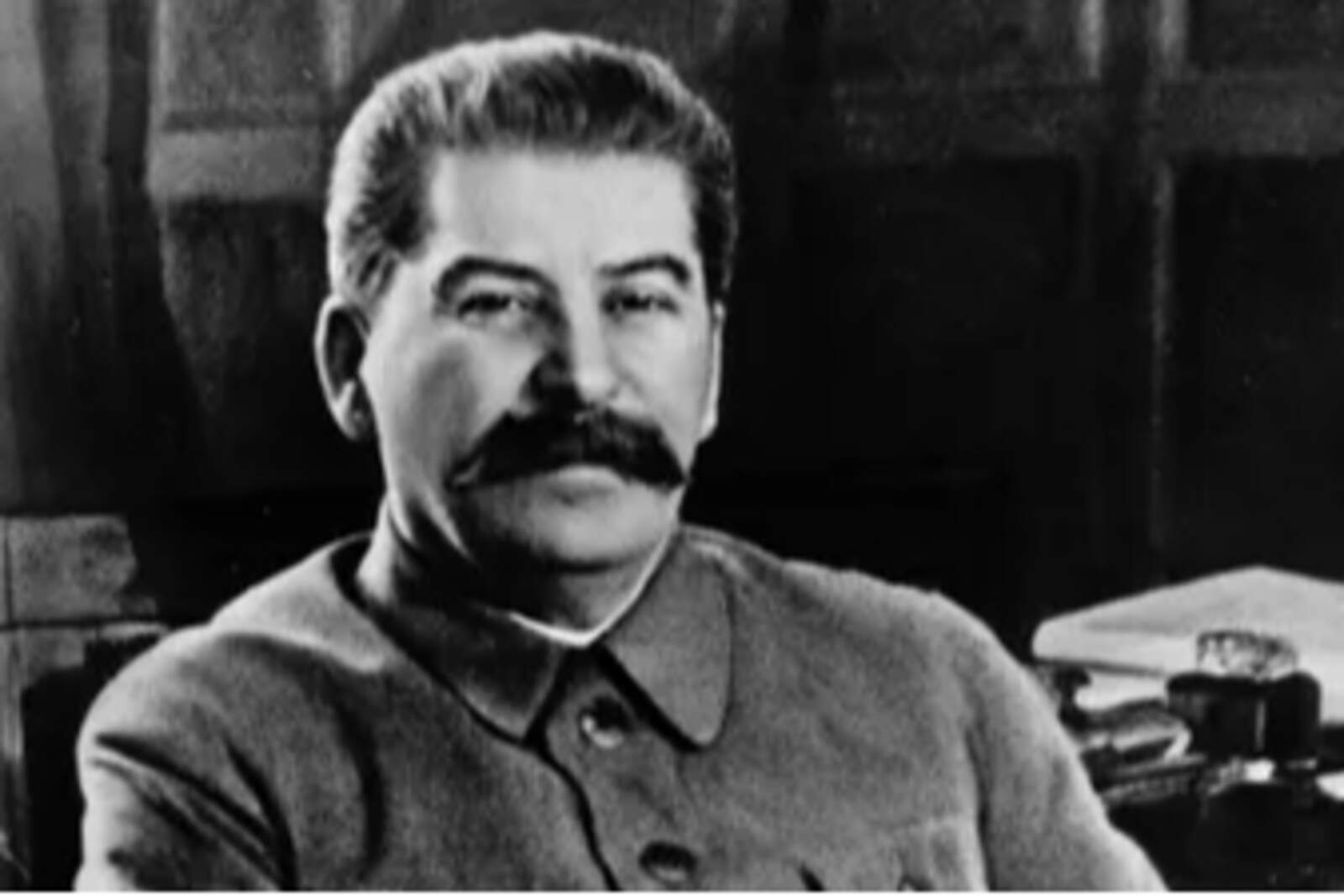
Published in 1945, Animal Farm is a direct allegory of the Russian Revolution of 1917 and the subsequent rise of Joseph Stalin. In the novel, the animals overthrow their human masters with the promise of equality, but the new regime led by the pigs "Napoleon" and "Snowball" degenerates into a brutal dictatorship.
The ending, in which the pigs become indistinguishable from the humans, serves as a warning about how power corrupts and betrays revolutionary ideals.
The version directed by Serkis introduces substantial changes. The most criticized is the introduction of a new human character, a billionaire businesswoman named Freda, nonexistent in the original work, who embodies corporate greed and capitalism.
Voiced by Glenn Close, Freda becomes the main antagonist, shifting the focus of the story from the internal corruption of the animal regime to an external threat, a decision that, according to detractors, empties Orwell's political satire of its substance.
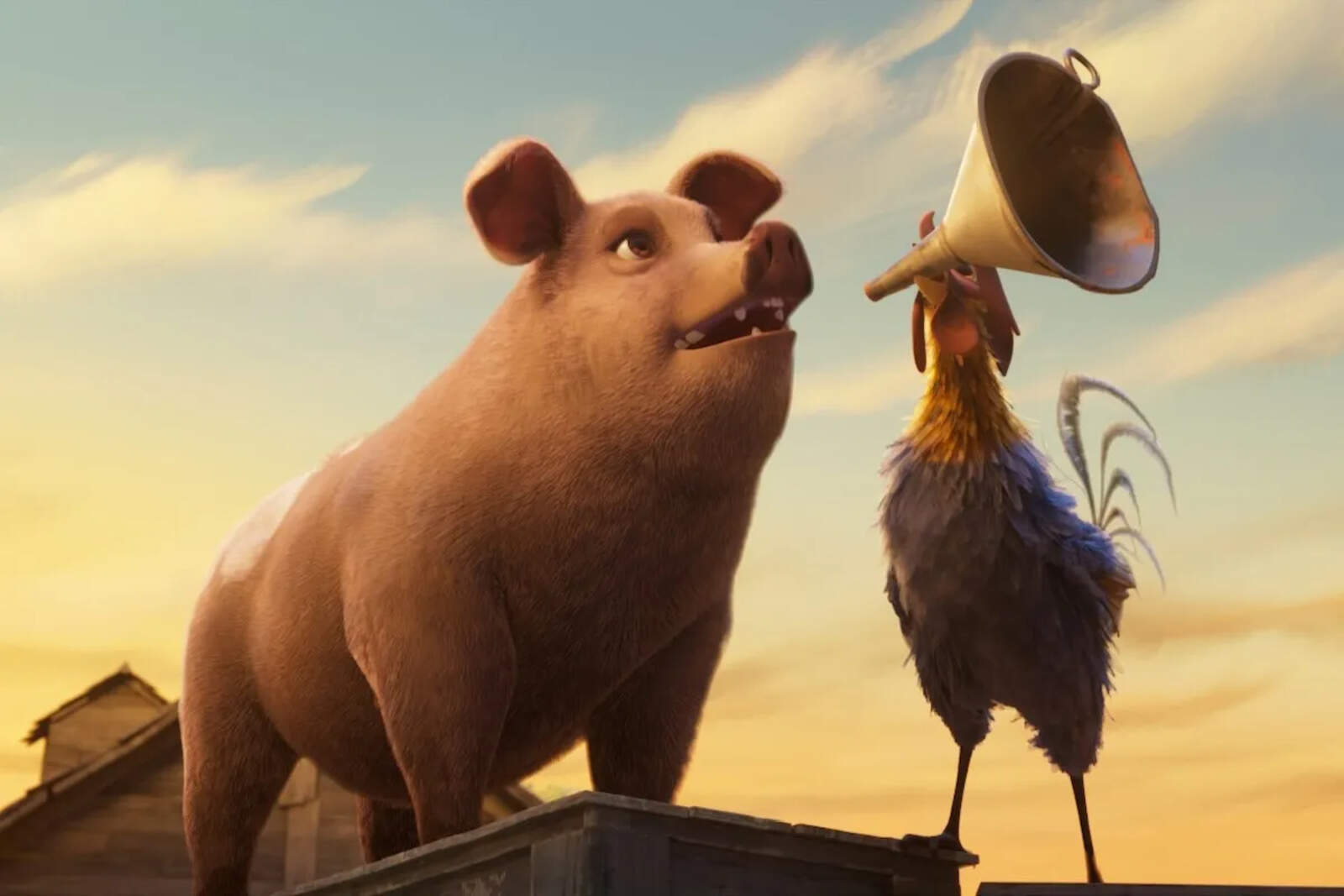
Another point of contention is the treatment of Napoleon, the pig who represents Stalin. In the film, the character is relegated to a secondary role and is played by Seth Rogen with a tone closer to comedy, which has been described as a trivialization of a key figure of totalitarianism in the novel.
El personaje principal de la obra maestra de Orwell representa a Stalin como un cerdo
The controversy intensified when it became known that the film alters the ending of the story. Instead of Orwell's pessimistic and somber conclusion, the adaptation shows the animals rebelling again, overthrowing the pigs, and planning a "better future."
Serkis defended this change by stating that the creative team "wanted some hope," an explanation that was harshly questioned by critics who believe that Animal Farm was never conceived as a hopeful story, but as a deliberately uncomfortable warning.
The trailer, released over the weekend, caused a flood of negative reactions on social media. Users lamented that a complex and deeply political work has been turned into a family film with physical humor, light dialogue, and futuristic elements such as drones and luxury vehicles. Some described the adaptation as a "childish product" that dilutes the original message.
El socialista Andy Serkis alteró el final de la obra original, adulterando el mensaje del libro
Serkis defended his version by stating that Animal Farm "has never been more relevant" and that the film seeks to remind viewers that democracy, freedom, and integrity are fragile. From the studio, it was stated that the story is intended to serve as a mirror of today's world.
Nevertheless, for many critics, the adaptation represents a new chapter in what is seen as a Hollywood trend of reinterpreting classic works through a contemporary ideological lens.
In this case, they argue, the result is not a faithful update, but a reversal of Orwell's original message, which warned about the dangers of totalitarianism and the corruption of power, not about corporate capitalism.
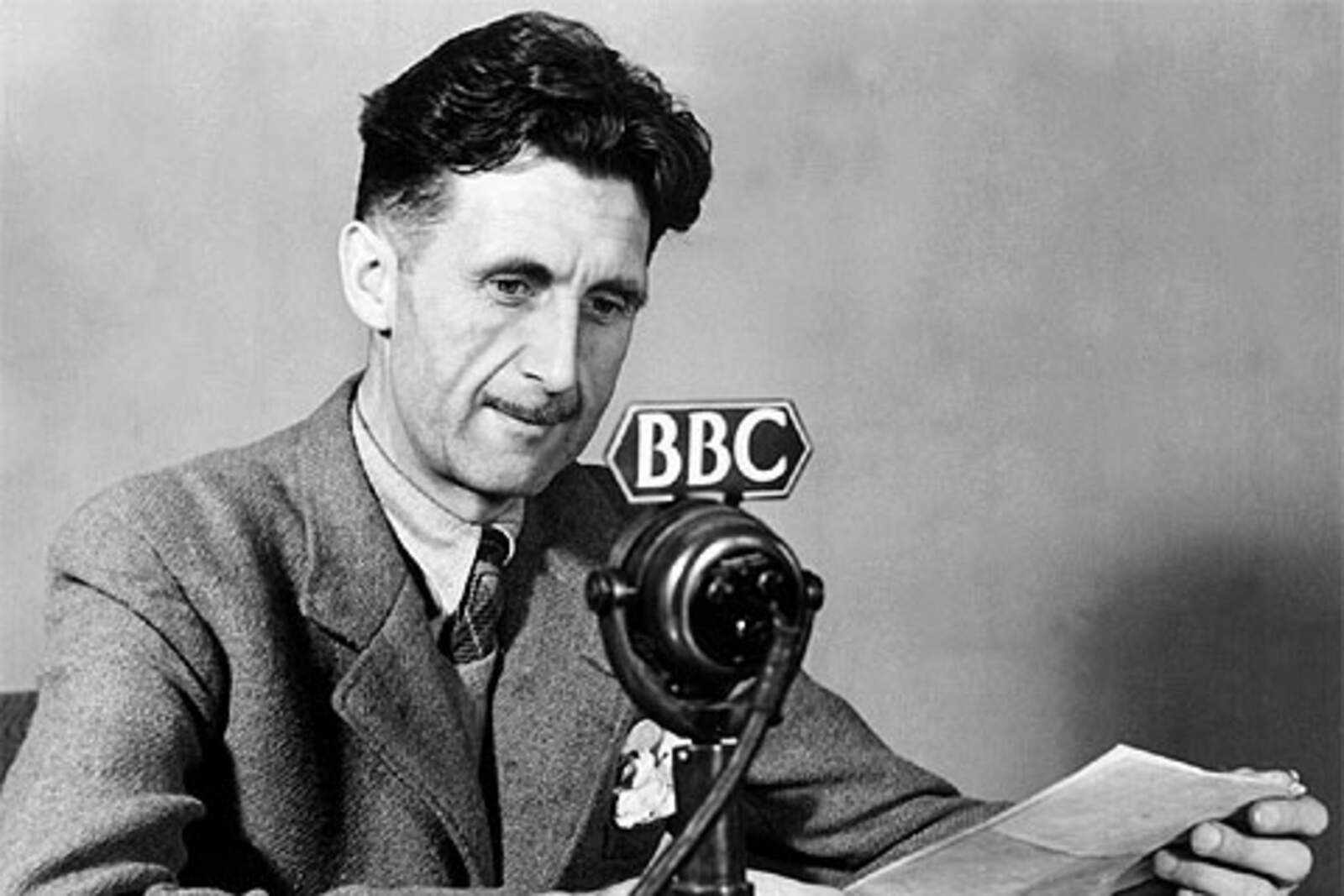
Orwell advirtió sobre los peligros del comunismo y el totalitarismo en sus obras