Vaca Muerta Oil Sur (VMOS): A strategic pipeline that will connect Neuquén with Río Negro through an investment of USD 3.5 billion, facilitating the massive export of crude oil.





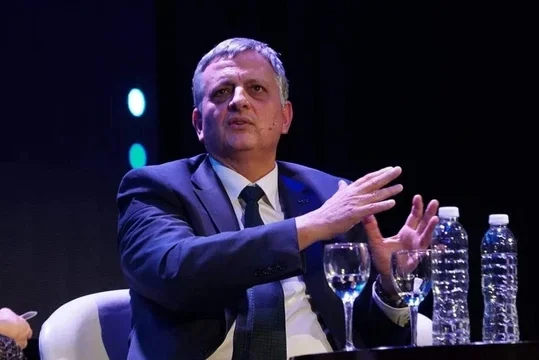

The CEO of YPF assured that energy investments could transform the economy, while industry leaders projected an energy surplus of up to USD 24 billion by 2030.
Vaca Muerta Oil Sur (VMOS): A strategic pipeline that will connect Neuquén with Río Negro through an investment of USD 3.5 billion, facilitating the massive export of crude oil.





Expansion of TGS: The company co-controlled by Pampa Energía will expand the Perito Moreno gas pipeline to transport an additional 14 million cubic meters, which would completely eliminate the import of LNG by ship for the next year.
Urea Plant in Bahía Blanca: A project by Pampa Energía with an investment of USD 2.5 billion to transform excess gas into fertilizers, reducing imports that currently reach 11 million tons.
Projections indicate that by 2030, national production will reach 2.6 million barrels per day equivalent of gas and oil. With the RIGI as a guiding principle and respect for private property as a foundation, Argentina is heading towards economic solidity where, in Mindlin's words, even in the face of a poor harvest, energy diversification will make the country a structure “much more solid” in the world.
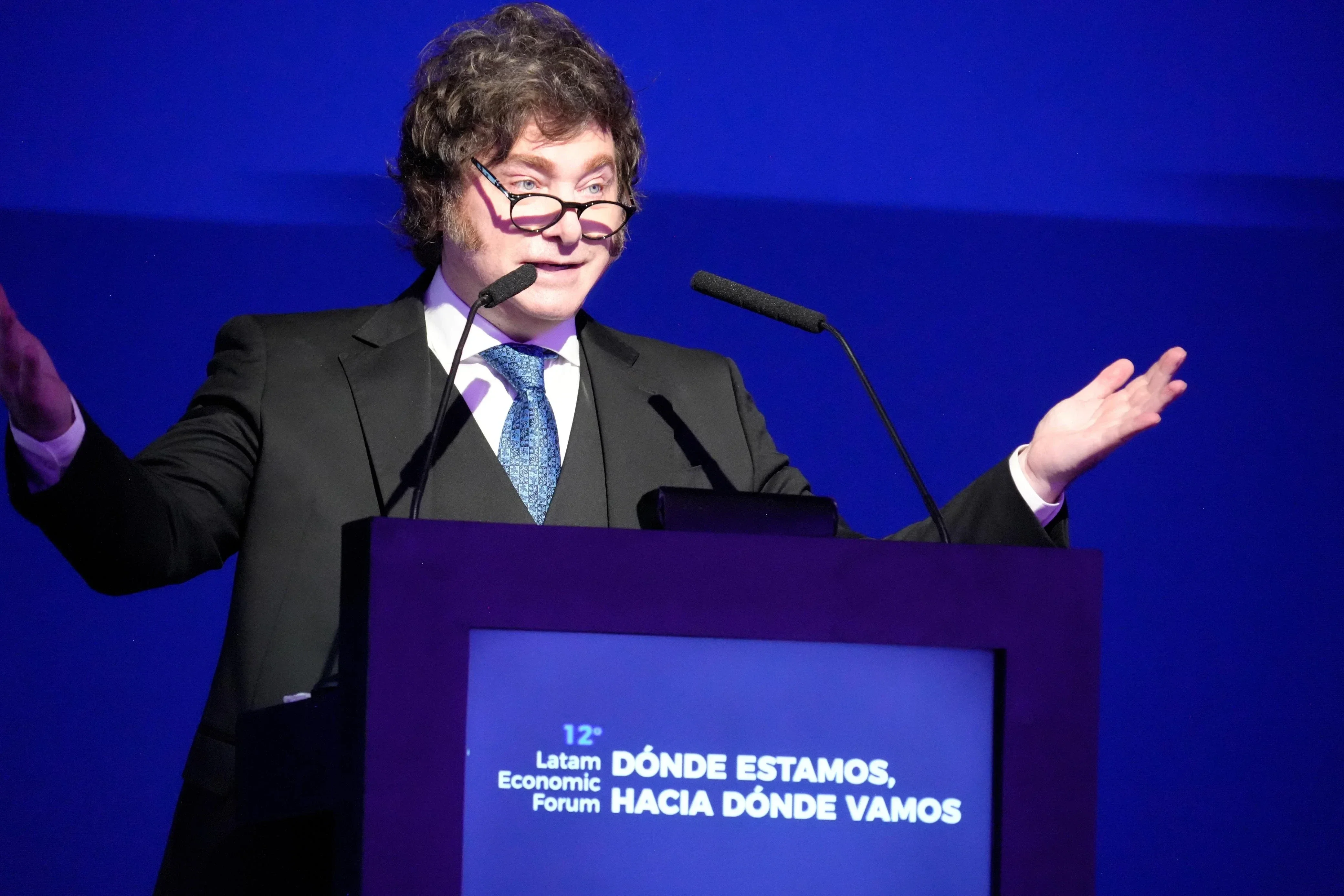
Within the framework of the Latam Economic Forum, the 12th edition of the prestigious event on economy and business held at Parque Norte, sealed the commitment of the energy industry to the new direction of the country. The sector, now positioned as the engine of national reconstruction, projects a radical macroeconomic transformation: moving from an energy trade deficit of USD 4 billion in 2022 to a surplus of USD 8 billion in 2026, scaling up to USD 24 billion by 2030.
This new era of prosperity is based on the Large Investment Incentive Regime (RIGI), a key tool of the current administration that has already attracted projects totaling USD 104 billion. According to Marcelo Mindlin, president of Pampa Energía, this capital flow could increase by another USD 20 billion if the LNG megaproject led by YPF is realized. For Mindlin, the success of Vaca Muerta means equipping Argentina with a "second turbine": “Energy, as you can see in the graph, means that if Argentina provides the energy, we add the second turbine to the plane and the country takes off. One turbine was not enough”.
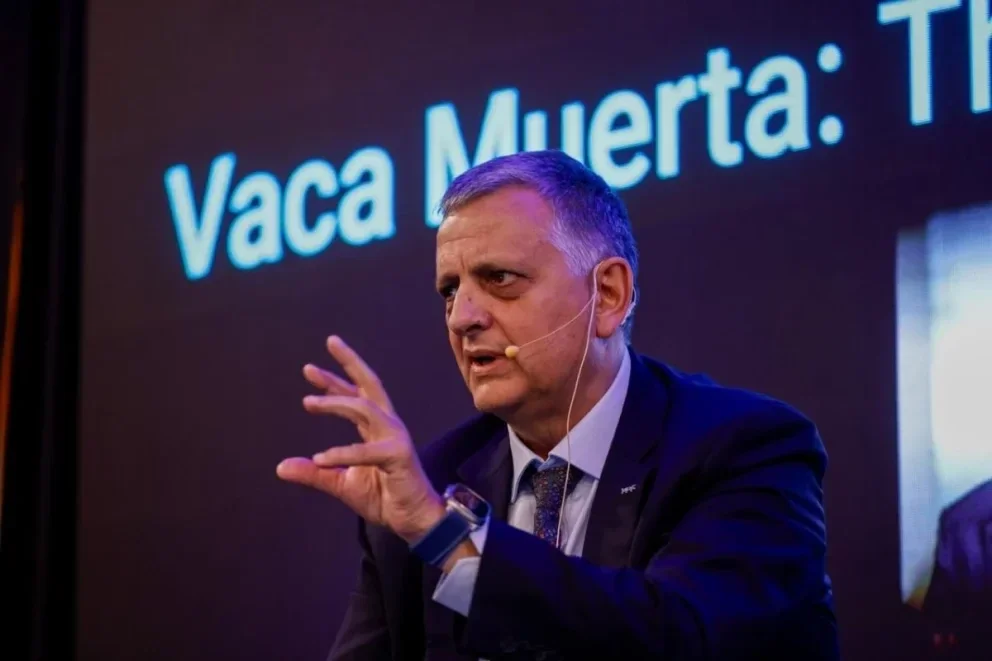
The commitment to employment is total, debunking criticisms from sectors stuck in the past. Horacio Marín, CEO of YPF, was blunt about it: “Investing USD 130 billion is a huge amount of money; there has to be a lot of work, there’s no way there won’t be work”. Marín emphasized that growth will come from the synergy between the State and the private sector, under a clear premise of freedom:
“The State must provide the conditions; we, the private sector, are the ones who generate wealth, and we cannot wait”. He also issued a warning against economic populism: “If we allow the State to start handing out subsidies again, we will not take off”.
In specific terms, the deployment of infrastructure under this trust model is massive. Among the most notable projects are: