The MAS deputy requested that, despite his delicate health, Pope Francis address his request for dismissal
Nuevo
Agregar La Derecha Diario en
Compartir:
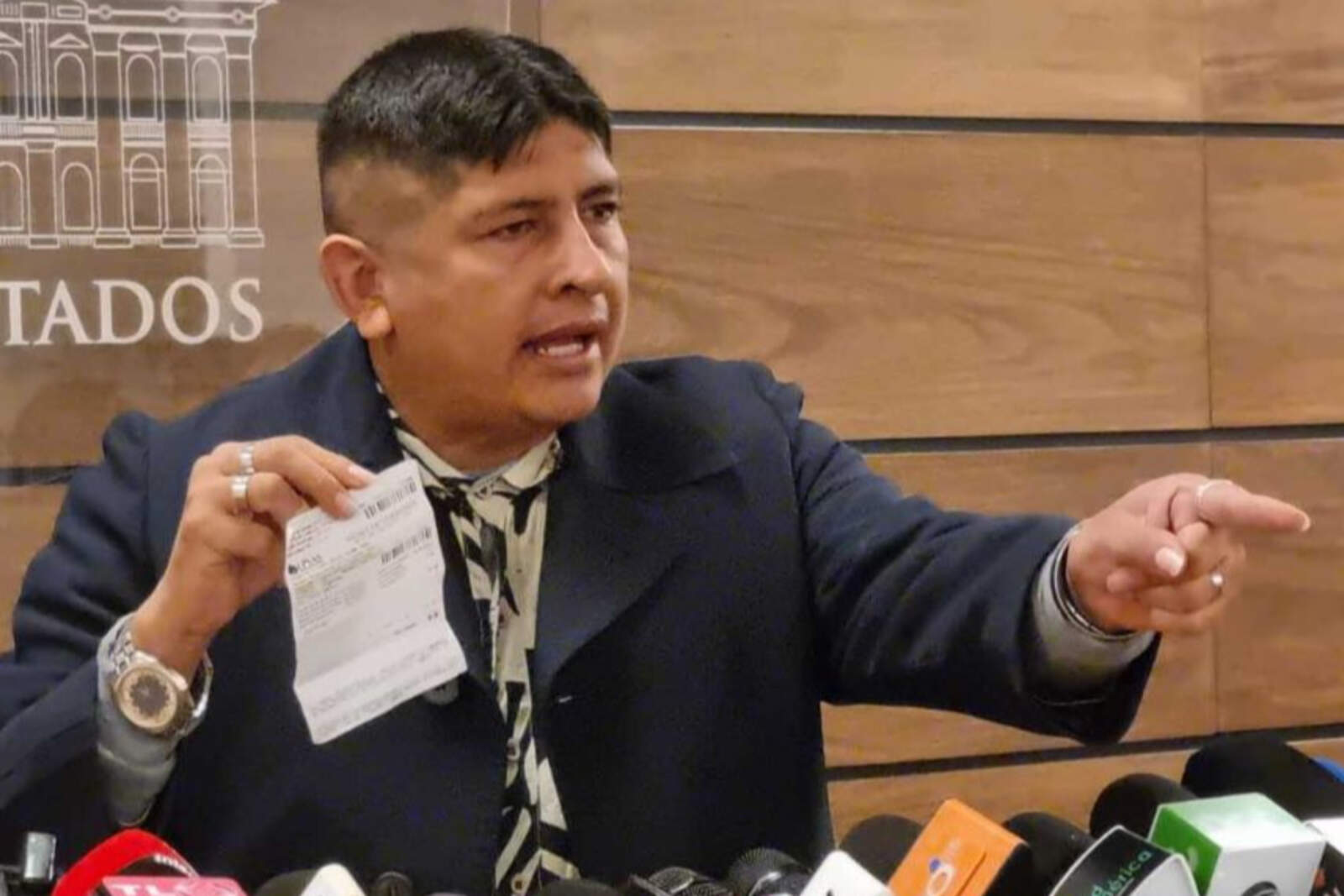
The ruling party deputy Rolando Cuéllar has caused controversy after requesting the dismissal of the Archbishop of Santa Cruz, Monsignor René Leigue. In his petition, addressed to Pope Francis, Cuéllar argued that the Church should not get involved in politics and accused Leigue of being a spokesperson for the opposition. The priest has repeatedly asked the population for greater discernment when choosing authorities.
According to Cuéllar, the Archbishop has used his Sunday homilies to deliver political messages instead of focusing on faith. He emphasized that the Church should limit itself to preaching and social work, without interfering in the country's political affairs. This occurs in a generalized context of uncertainty that the country's population has been experiencing in recent months.
Cuéllar stated that the Church can't influence politics, he affirmed that Bolivia is in a democratic system and not at war. He reproached Leigue for speaking out on electoral and economic issues. This is because the ruling party's regime would be compromised by the Archbishop's statements.
In his statements, Cuéllar reiterated that the Church should focus on social aid, visiting hospitals, and supporting those in need. He criticized that the Archbishop is not focused on these activities and, in his view, is diverting the ecclesiastical mission.
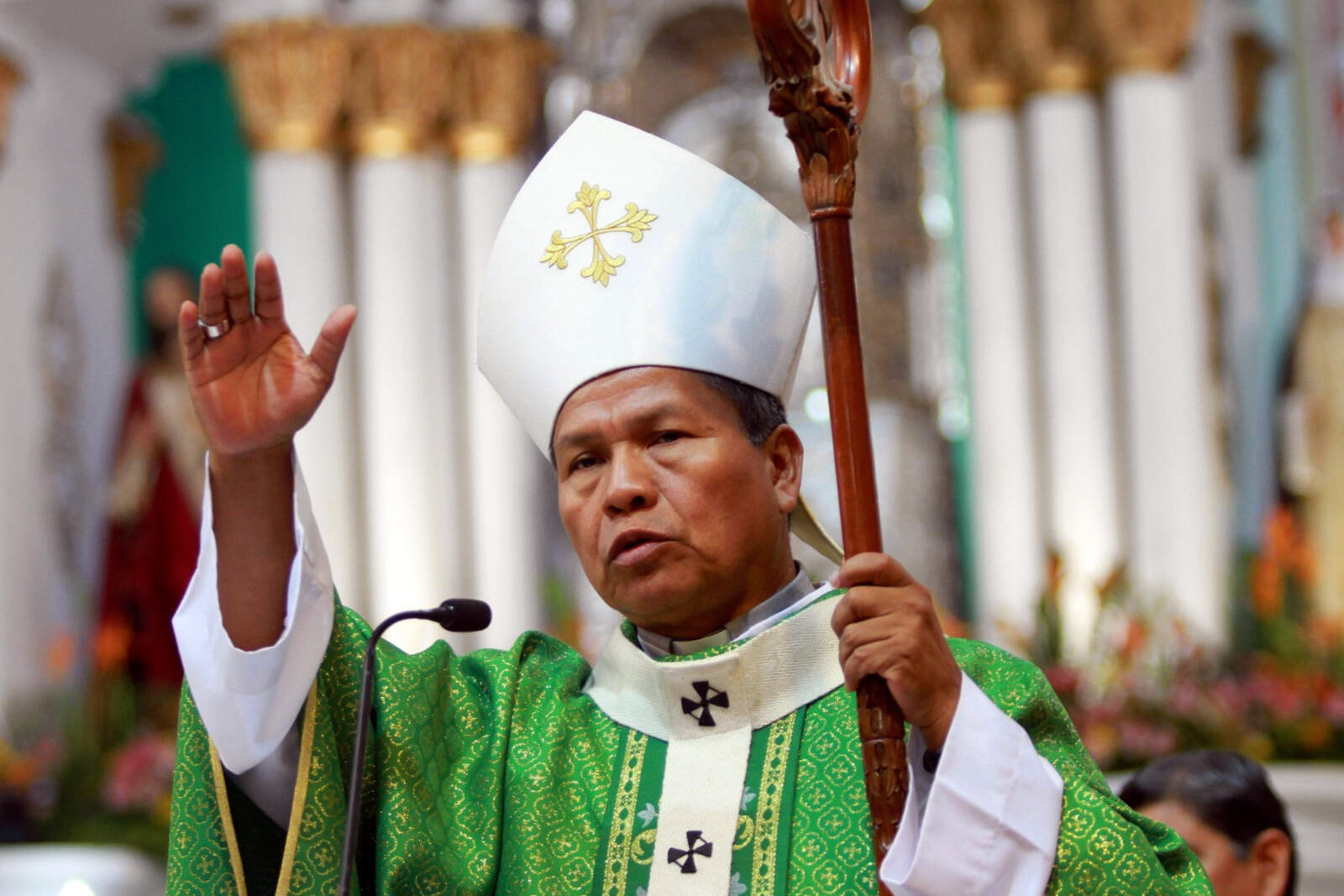
El arzobispo René Leigue
Cuéllar's request arose after several homilies in which Monsignor Leigue has called for the unity of opposition candidates. In his latest speech, he suggested the formation of two political fronts to reduce campaign costs.
The prelate has also questioned the normalization of lying in society and that it is the authorities who promote this. He has also expressed his concern about the moral and economic crisis facing Bolivia. His statements have been interpreted by sectors of the ruling party as a political stance against the government.
The Catholic Church has not issued an official response to Deputy Cuéllar's request. The Bolivian Episcopal Conference and the Archdiocese of Santa Cruz have opted for silence amid the controversy.
Is the ruling party so intolerant of criticism?
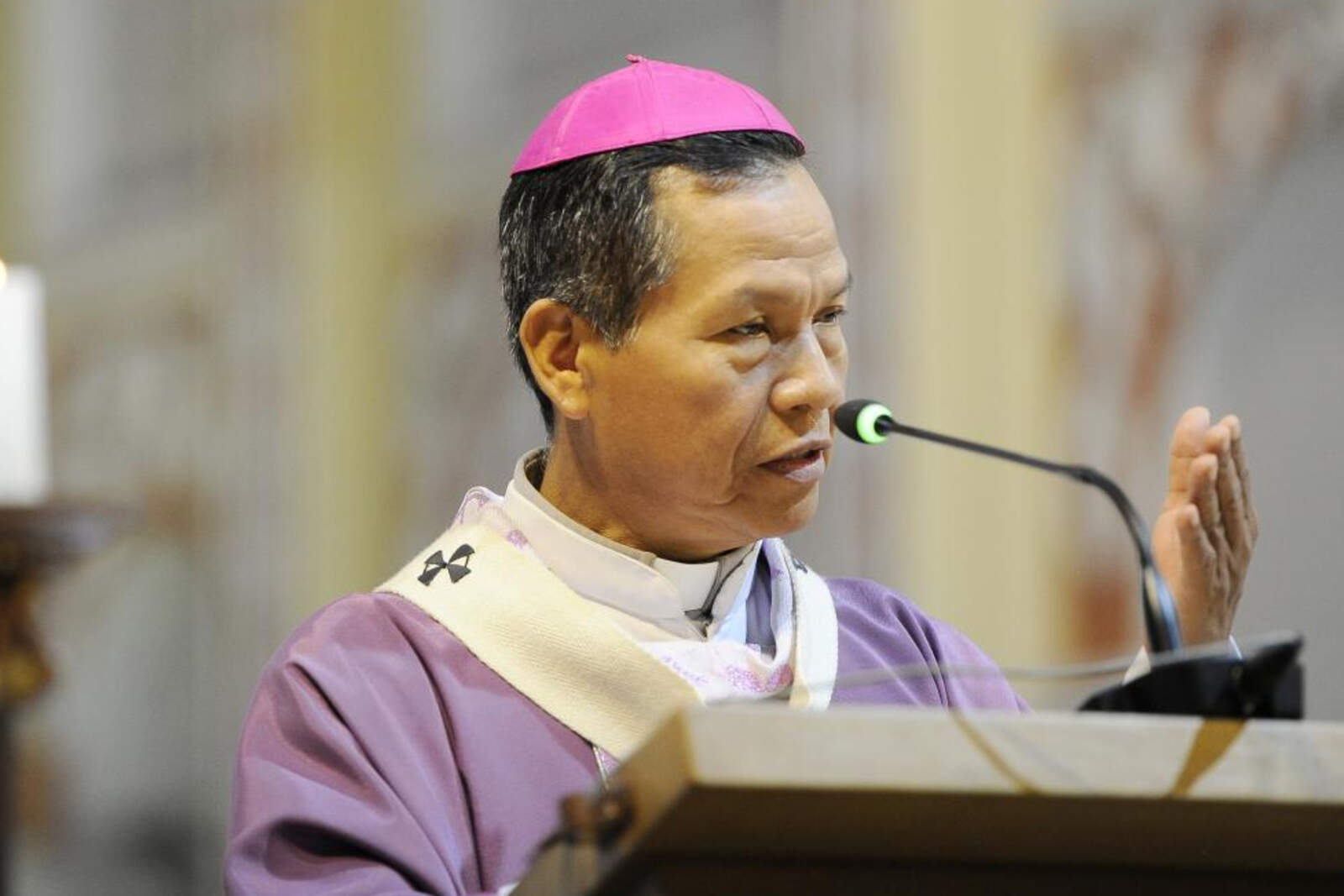
El arzobispo le pidió mayor criterio a la población
Political analysts consider that Cuéllar's request is a sign of the ruling party's attempt to silence critical voices. They point out that the Church has historically played a mediating role in political and social conflicts in Bolivia. But from the ruling party, there has been a constant effort to discredit the Church's recommendations to its followers.
Meanwhile, sectors of the opposition have expressed their support for Monsignor Leigue. They claim that his statements reflect a legitimate concern for the country's situation and do not constitute political interference. They have pointed out that the ruling party doesn't tolerate these entirely valid criticisms.
Pope Francis, despite his health condition, has been placed at the center of this controversy. Cuéllar's request requires a response from the Vatican, although canon law experts maintain that the dismissal of an archbishop is a complex process.
The controversy surrounding Monsignor Leigue also highlights the growing tension between the government and the Catholic Church. On several occasions, the ruling party has criticized its positions and attempted to minimize its influence. For now, Cuéllar's request is still awaiting a response from the Vatican.
This episode highlights the lack of tolerance of some sectors of the ruling party toward voices that do not share their political doctrine. In a democracy that prides itself on being one, debate and plurality of opinions should be essential values. However, the attempt to silence Archbishop Leigue reflects an authoritarian vision that seeks to delegitimize any criticism.
Beyond the Church's position, Cuéllar's demand to dismiss a religious leader for expressing his perspective on the country's reality raises a greater concern. It only shows the inability of these political actors aligned with the ruling party to accept dissent and diversity of thought.