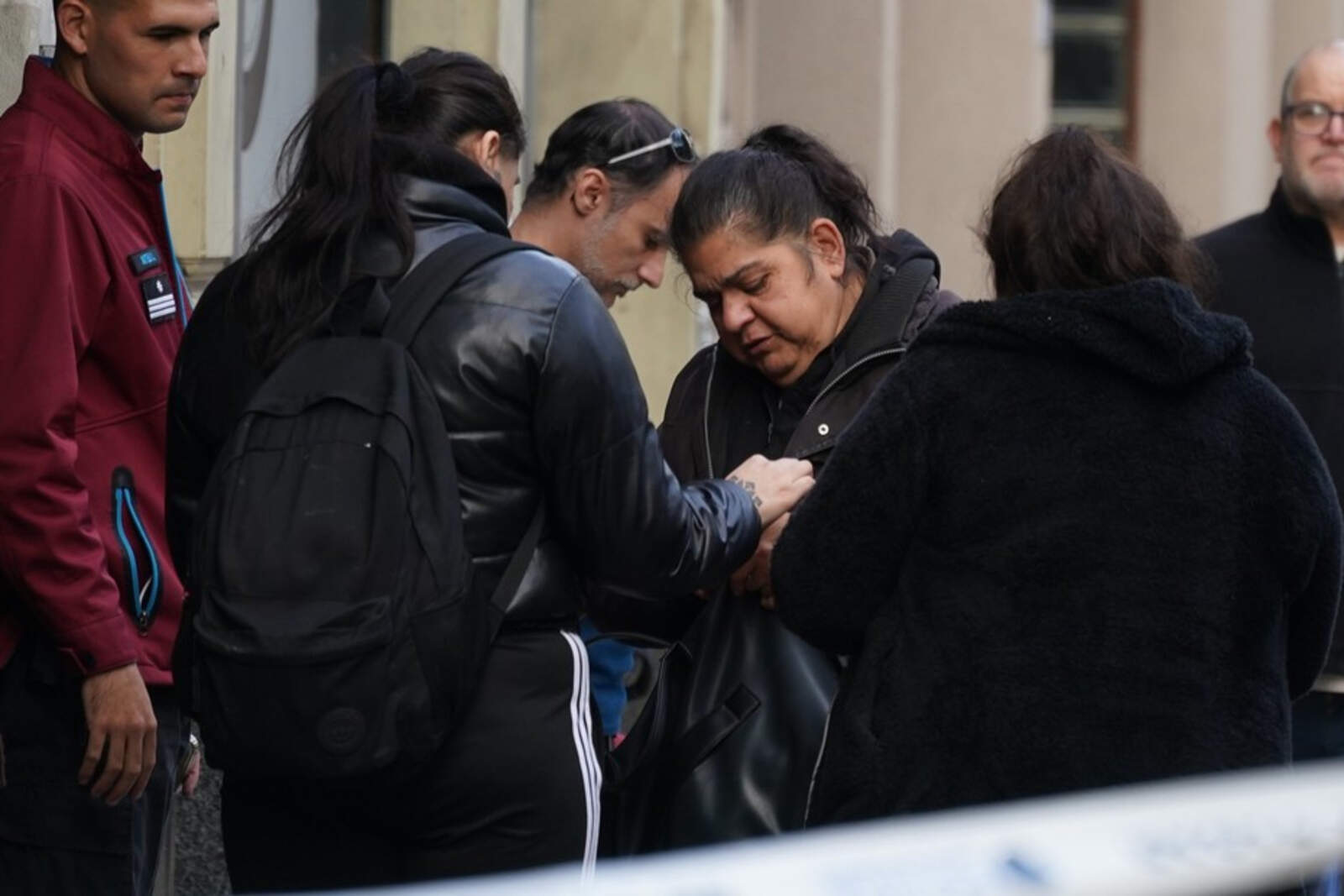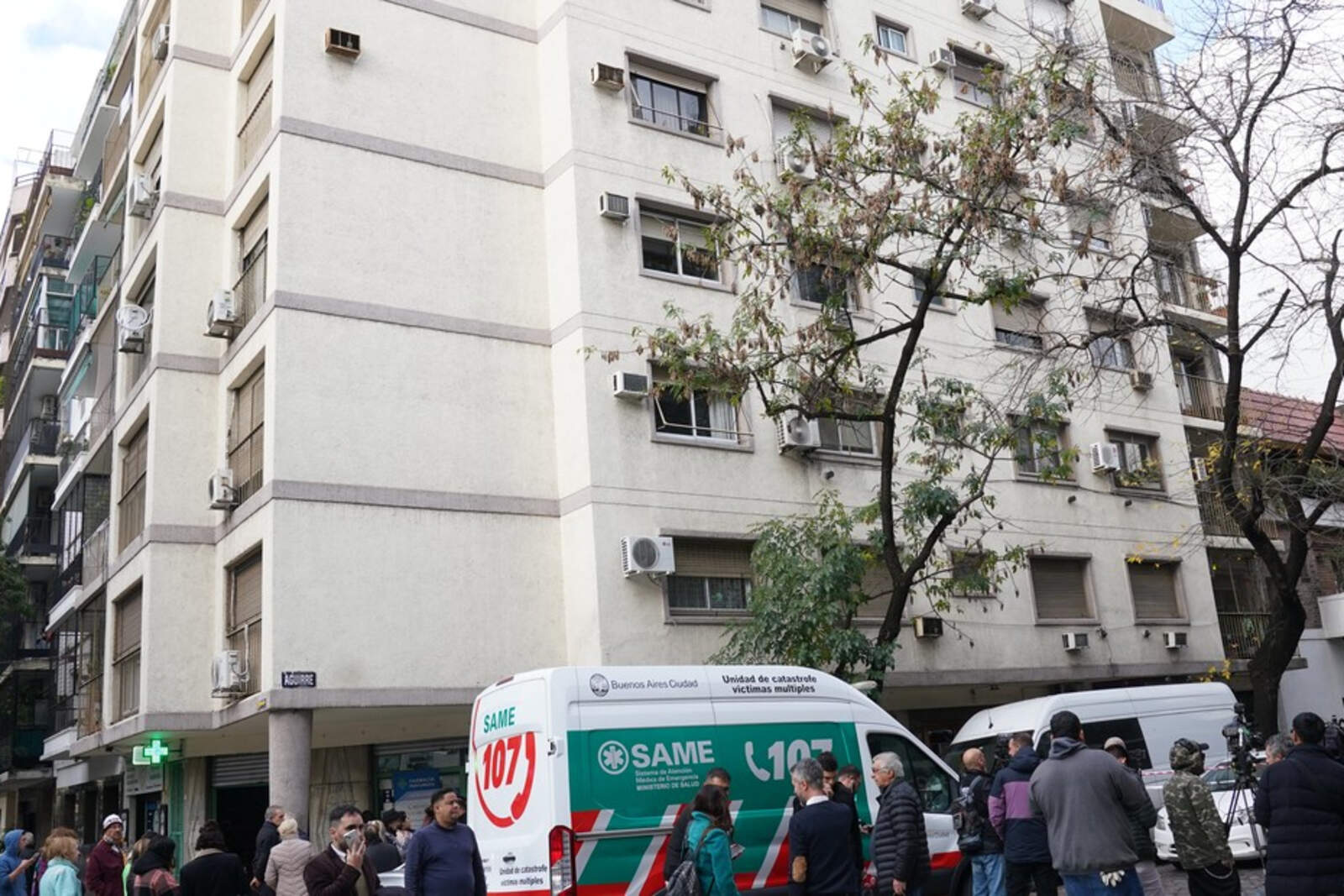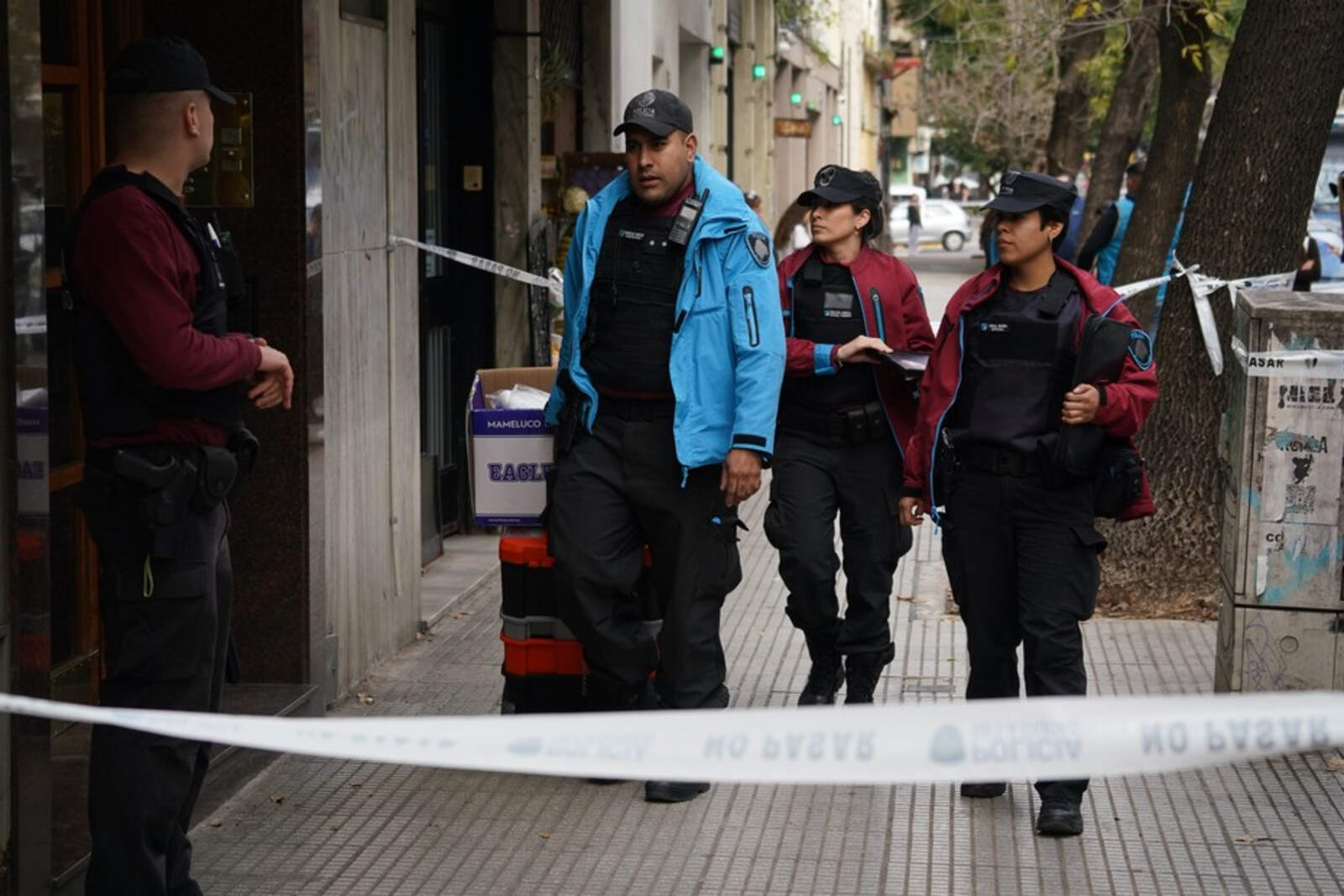











A letter was found at the scene, whose authorship still needs to be determined. Prosecutor César Troncoso, in charge of the National Criminal and Correctional Prosecutor's Office No. 5, is awaiting the preliminary report to reconstruct the sequence of events.
The case, besides its brutality, exposed a series of failures in the mental health and prevention system in the City. "Laura's sister stated that she was under psychological treatment," judicial sources informed the media. This was compounded by the testimony of the domestic worker, who warned that the woman "had changed a lot in recent weeks" and, according to police reports, had stopped taking her medication. All of this happened without any city agency intervening, nor were preventive alerts activated.
According to the building's neighbors, there were signs that could have anticipated the tragedy. "I heard some shouting and movement early this morning, but since it didn't last long, I didn't call anyone," a resident of the place recounted. In a WhatsApp group, it was also noted that the last connection of one of the family members was on Tuesday at 6:30 PM. Since the domestic worker only worked on Mondays, Wednesdays, and Fridays, it is not ruled out that the murders occurred more than 18 hours before the discovery.
The Argentine Israelite Mutual Association (AMIA), however, did issue a message. "With great shock, we received the news that the four members of Bernardo Seltzer's family were found today, lifeless, in their apartment on Aguirre 295. The authorities are investigating what happened to clarify the facts. We accompany the family's loved ones in this moment of deep sorrow," expressed Rabbi Eliahu Hamra.