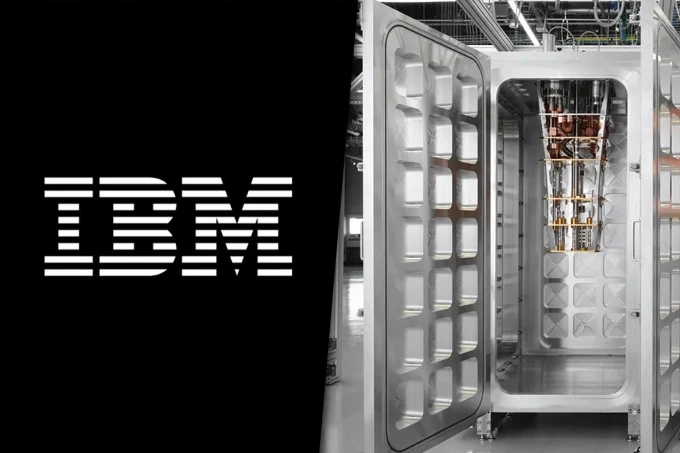
IBM presented a modular cryogenic system that can reach temperatures of 10 millikelvins. The technology aims to connect hundreds of quantum chips and move towards a fault-tolerant computer by 2029.
The new modules allow for the interconnection of quantum processors and maintain them at temperatures close to absolute zero. The company plans to implement this architecture starting in 2027 as part of the development of its Starling system.
IBM introduced a modular cryogenic system that can reach temperatures of 10 millikelvins
How IBM's new "quantum refrigerators" work
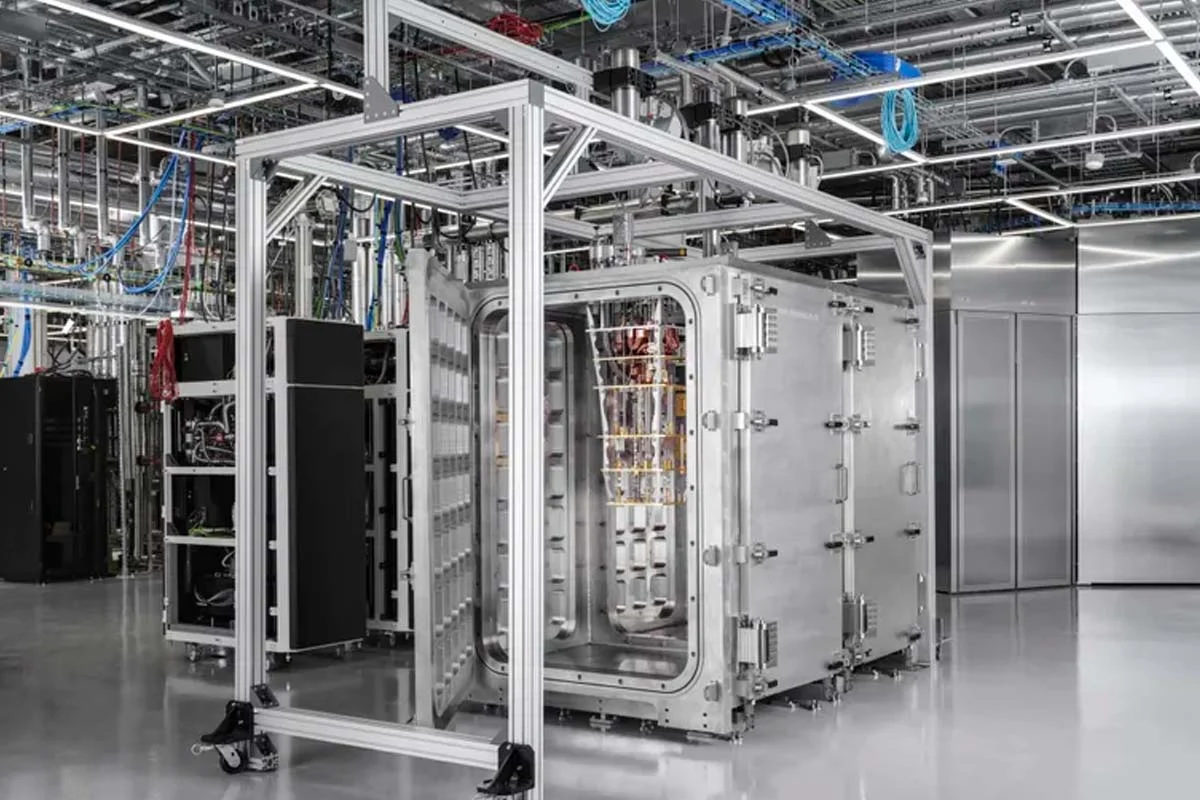
The new IBM system consists of cryogenic modules about 2.4 meters tall and 2.4 meters wide. Each unit has an internal capacity of approximately 0.25 cubic meters.
These units can reach temperatures of up to 10 millikelvins, equivalent to about -273.14 °C. According to IBM, this is a temperature more than 180 times lower than that of deep space.
The extreme cold is necessary for the proper functioning of superconducting quantum processing units (QPUs). The modular design allows for progressive system expansion without the need to build a single large cryogenic structure.
Why IBM needs such low temperatures for quantum computing
Superconducting quantum computers use circuits to perform operations and work with components called qubits. These elements are more prone to errors than components in conventional computers.
To harness the quantum properties of superconducting materials, researchers must minimize interference from heat and other stimuli.
Why does IBM need such low temperatures for quantum computing
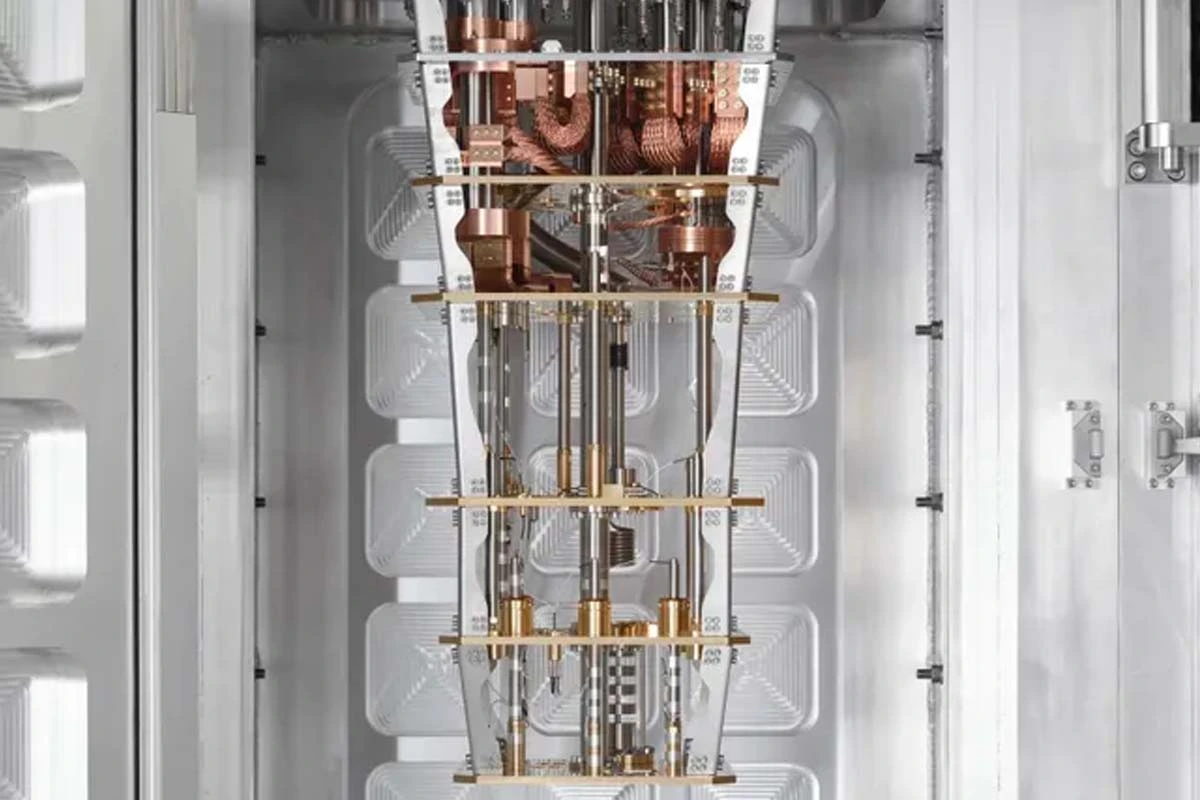
IBM uses helium cryogenic compressors and commercial dilution refrigeration systems. Additionally, the modules feature thermal protection through vacuum-sealed chambers, electromagnetic interference gaskets, and multilayer thermal insulators.
According to the company, the modules require more than four days to reach about 4 kelvins. Shortly after, they achieve the temperatures below 15 millikelvins necessary for the processors to operate.
The system that allows connecting different quantum chips
One of the main advancements of the architecture is the ability to connect independent cryogenic modules. IBM used superconducting cables called L-couplers, approximately one meter long, for this purpose.
The system that allows connecting different quantum chips
Oliver Dial, IBM's vice president of quantum operations, explained that these components allow for a function similar to that of couplers used within the same chip between different modules.
The interconnection aims to solve one of the infrastructure problems facing quantum computing. As operations increase, more chips and space are needed to accommodate them.
Seeks to solve one of the infrastructure problems facing quantum computing
With separate modules, engineers can work on specific units without having to intervene on a single massive structure. This also reduces the need to break the thermal insulation of the entire system during an upgrade or a failure.
IBM aims for 100 million quantum operations by 2029
IBM plans to implement its new cryogenic architecture in 2027. The first systems will use between two and three modules and will have around 1,000 qubits in total.
The goal is to achieve 100 million quantum operations in a single session by 2029, with the arrival of the Starling quantum computer.