










The European Union supports the UN initiative
If this plan is implemented, the first tax on emissions from commercial vessels would be introduced, along with an economic incentive for companies to switch to greener energy. Technically, the new requirements would take effect in 2027 and would be mandatory, although ships would not have to begin making payments until 2029.
At Friday's IMO meeting where this proposal will be discussed, there are two clearly defined sides: The European Commission, as is its custom, said that nations should vote in favor of this tax framework, while the United States threatens to penalize countries that support the plan.
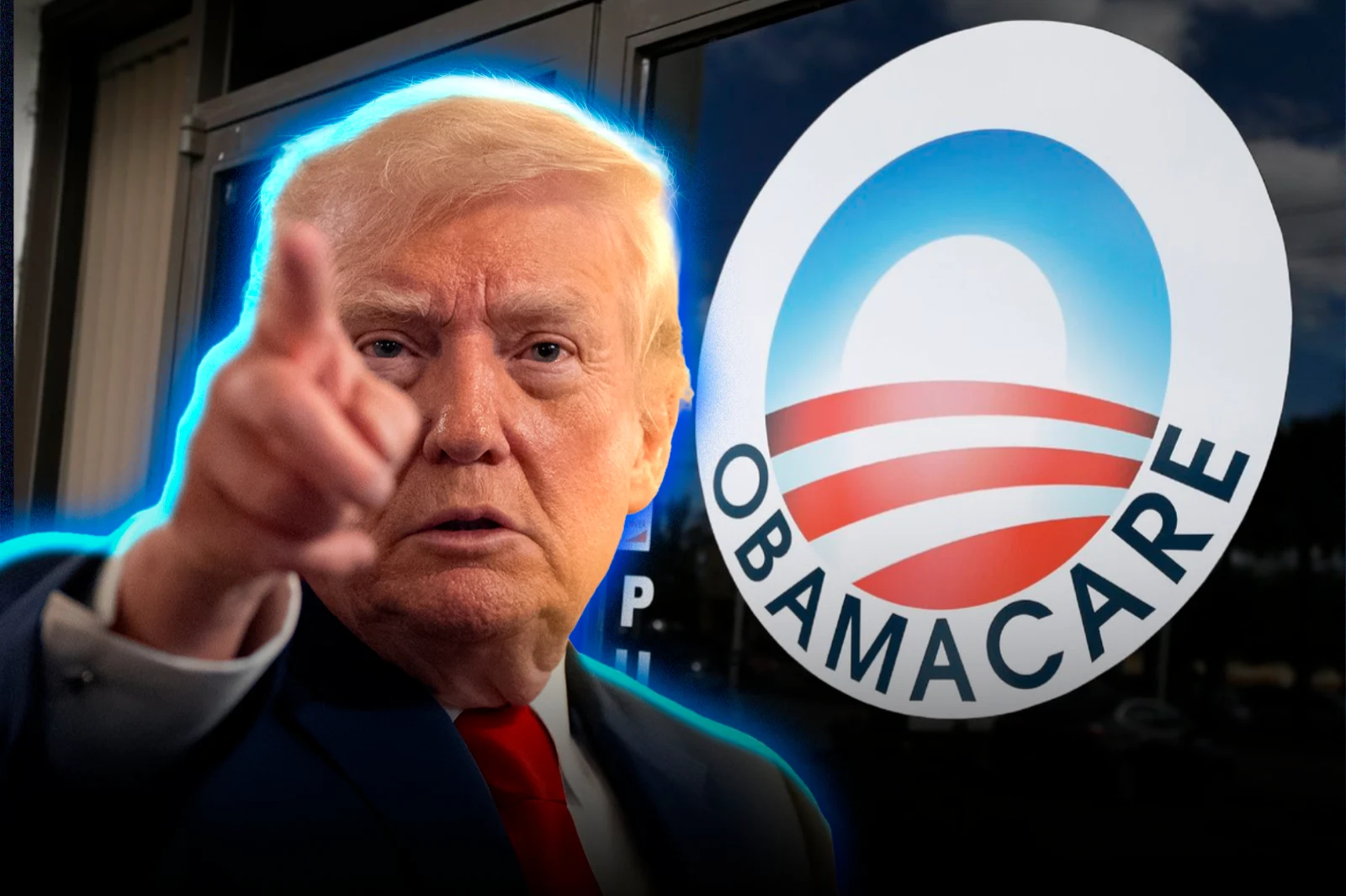
This was confirmed by Trump's Secretary of Transportation, Sean Duffy, who stated that his country "will take steps to impose these remedies on nations that sponsor this neocolonial export of global climate regulations led by Europe." His remarks were supported by other Republican government ministers such as Marco Rubio and Chris Wright.
Trump has reiterated that he supports conventional energy sources and that the global carbon tax framework proposed by the UN would increase maritime transport costs by up to 10%. If his officials fail to bring European bureaucracy to reason this week, it can be expected that the US will take much more aggressive actions.

