Recent photographs show that Tehran reinforced strategic sites such as Parchin, Isfahan, and Natanz with concrete structures and underground coverage
Nuevo
Agregar La Derecha Diario en
Compartir:
New satellite images released this Wednesday indicate that the regime of Iran has advanced in the fortification of some of its most sensitive military and nuclear facilities after the airstrikes suffered in the last two years.
The photographs, analyzed by international security specialists, show the construction of concrete structures, defensive coverings, and the sealing of underground access points in different strategic complexes.
Parchin: reconstruction and "concrete sarcophagus"
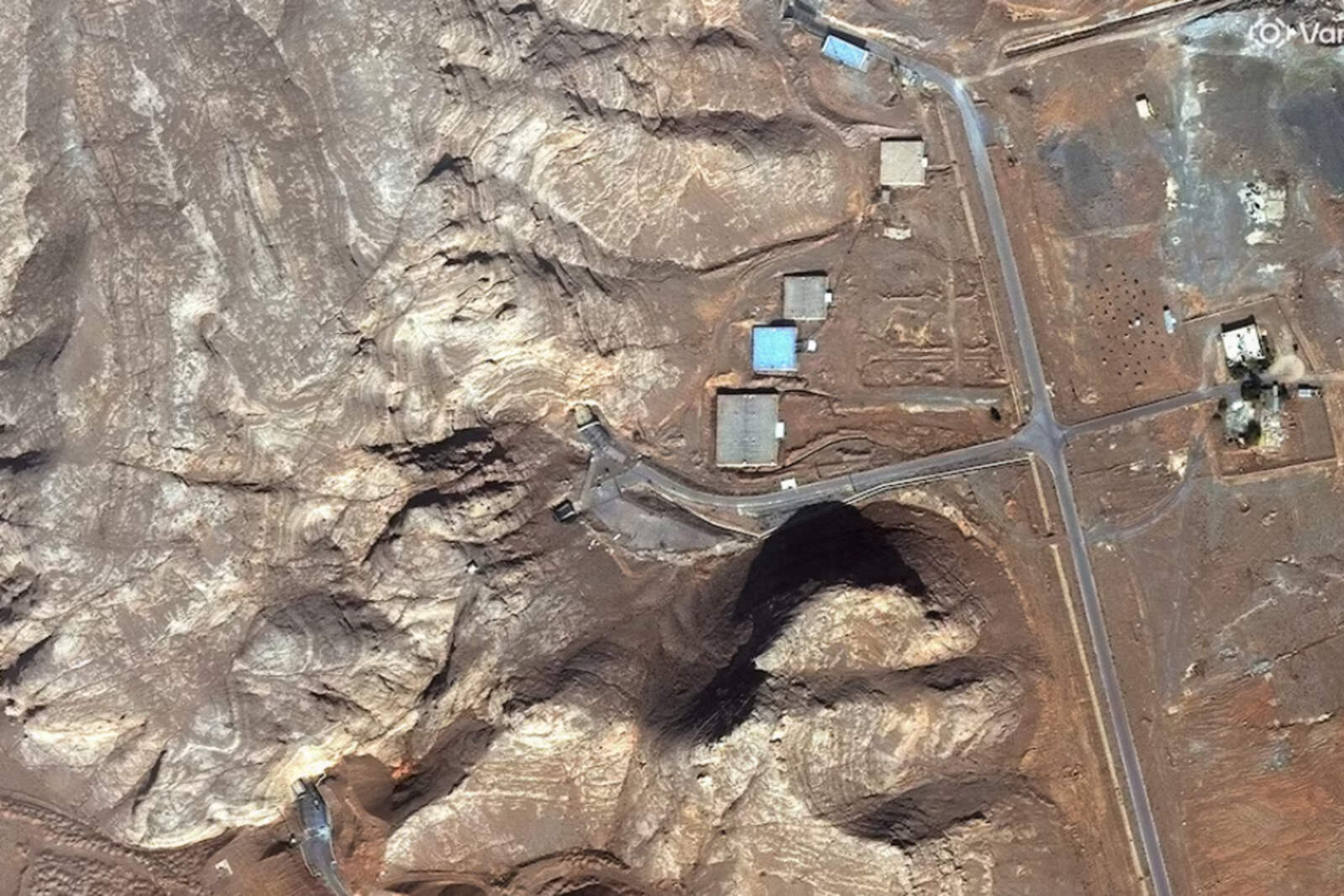
One of the main focal points is the military complex of Parchin, located about 30 kilometers southeast of Tehran. The site was pointed out in the past for its alleged connection with sensitive research.
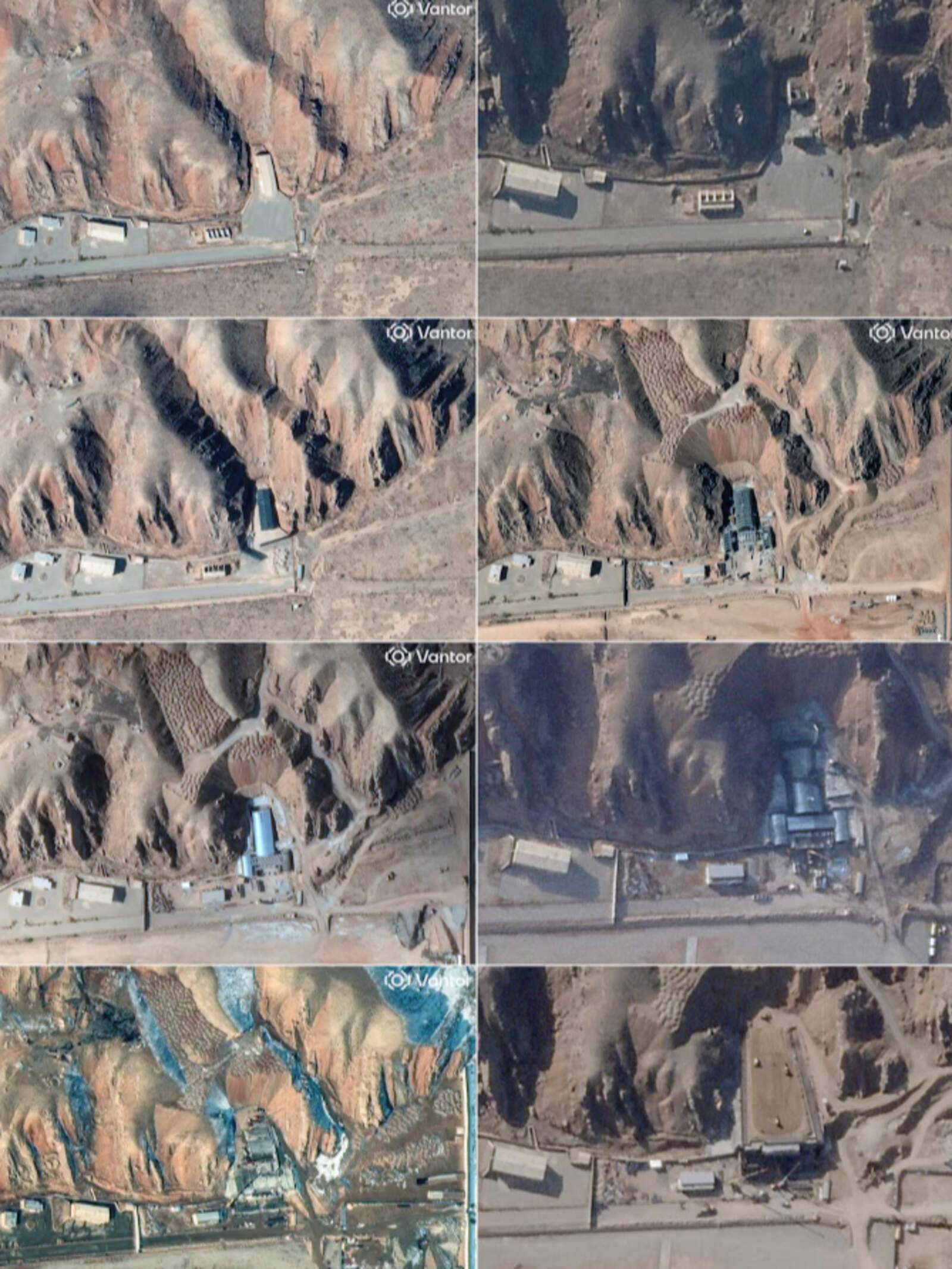
After a bombing attributed to Israel in October 2024, the images show significant damage to a rectangular structure, followed by a rapid reconstruction.
Irán refuerza sus instalaciones nucleares en medio de las negociaciones con Estados Unidos
Photographs from November show the installation of a metal structure and the construction of adjacent buildings. In December, the area appears partially covered and, by February, the facility is completely hidden under a concrete structure covered with earth, which would make its aerial detection more difficult and increase its resistance to potential attacks.
Experts from the Institute for Science and International Security identified the new bunker as part of the sector known as Taleghan 2. According to their analysis, it would include a high‑resistance cylindrical chamber, potentially suitable for tests with high‑power explosives, although also suitable for conventional uses.
Isfahan and Natanz: sealing of tunnels
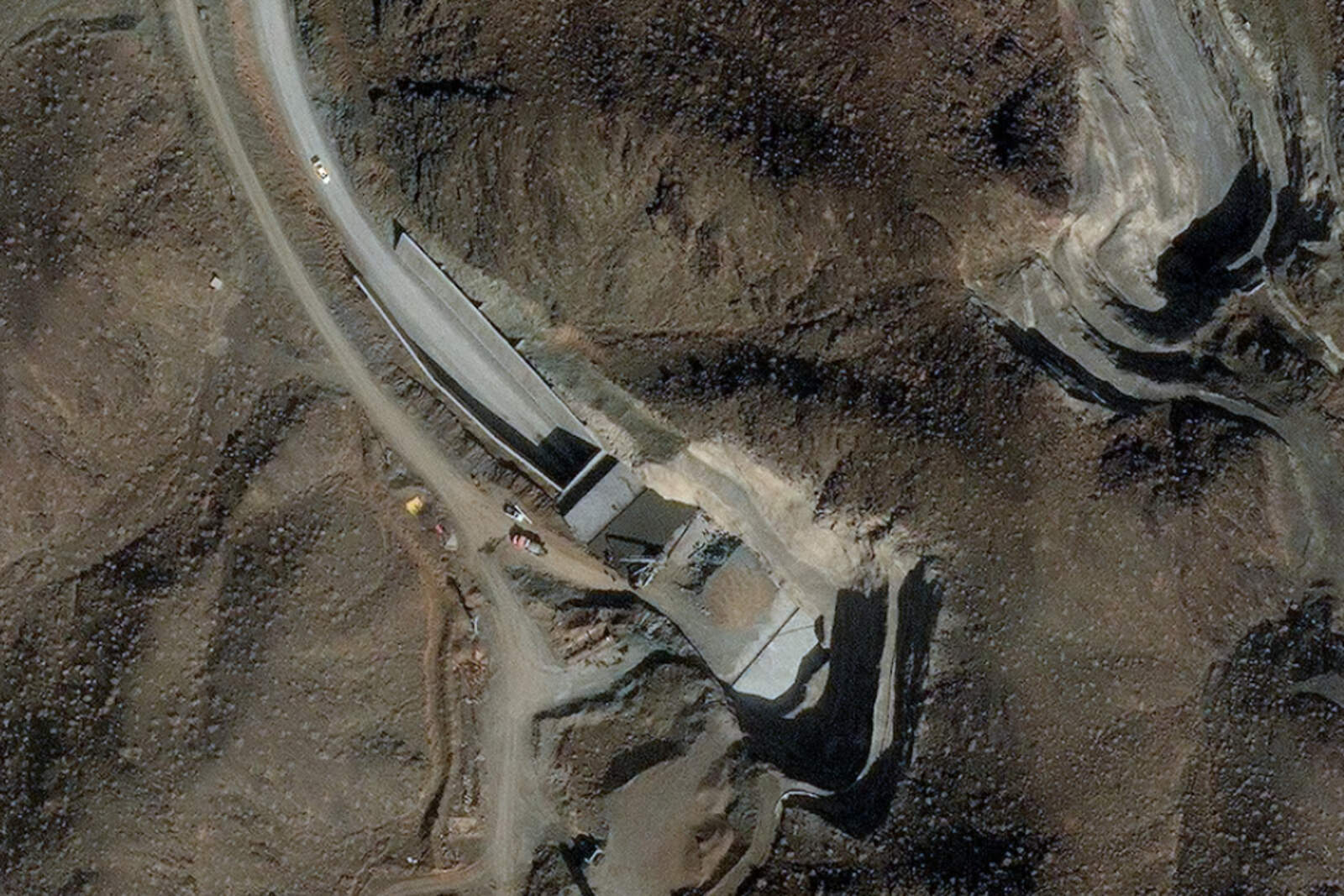
In the nuclear complex of Isfahan, one of the main centers linked to the nuclear fuel cycle, the images show that the access points to several underground tunnels were completely sealed with earth between January and February.
Analysts maintain that this measure complicates the possibility of direct airstrikes and makes any attempt at a ground incursion more difficult.
Irán refuerza sus instalaciones nucleares en medio de las negociaciones con Estados Unidos
In the surroundings of Natanz, movement of cement trucks and heavy machinery was also detected, which suggests work to reinforce access points to tunnels under a mountain known as Pickaxe. Although the final purpose of this work was not confirmed, the pattern indicates a strategy of "hardening" critical infrastructure.
Missile bases and reconstruction
The activities are not limited to the nuclear sphere. Images of a base south of Shiraz show cleanup and rehabilitation work after damage suffered in last year's war. Researchers point out that this is one of the country's main medium‑range missile launch platforms.
In another facility, about 40 kilometers north of Qom, the repair of the roof of an affected military building was observed, with work beginning in November and concluding at the end of that month.
Context of international tension
The accelerated reinforcement of these facilities is taking place amid stalled negotiations between Tehran and Western powers over the Iranian nuclear program. Meanwhile, the United States is maintaining diplomatic and military pressure in the region, while Iran insists that its program has peaceful purposes and denies seeking the development of nuclear weapons.
However, the magnitude of the fortifications and the sealing of sensitive facilities reinforce the perception that the regime is seeking to shield its strategic capabilities against possible future attacks.