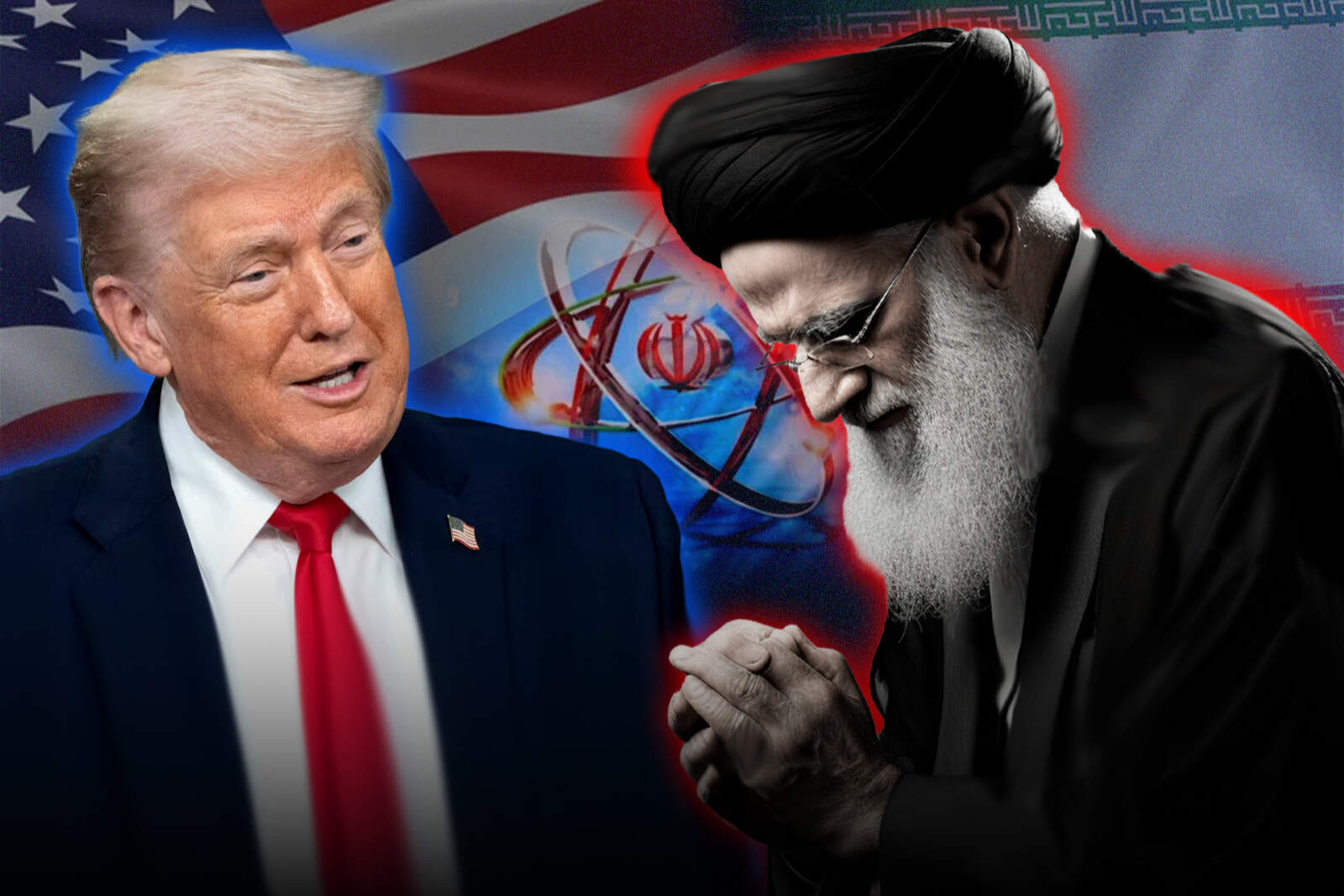
Khamenei's dictatorship expressed its intentions to discuss the dismantling of its nuclear program in exchange for concessions from the US
Nuevo
Agregar La Derecha Diario en
Compartir:
Iran expressed next weekend its willingness to discuss its nuclear program if the United States agrees to ease part of the economic sanctions weighing on the regime, in what could open the door to a new stage of negotiations between the two countries.
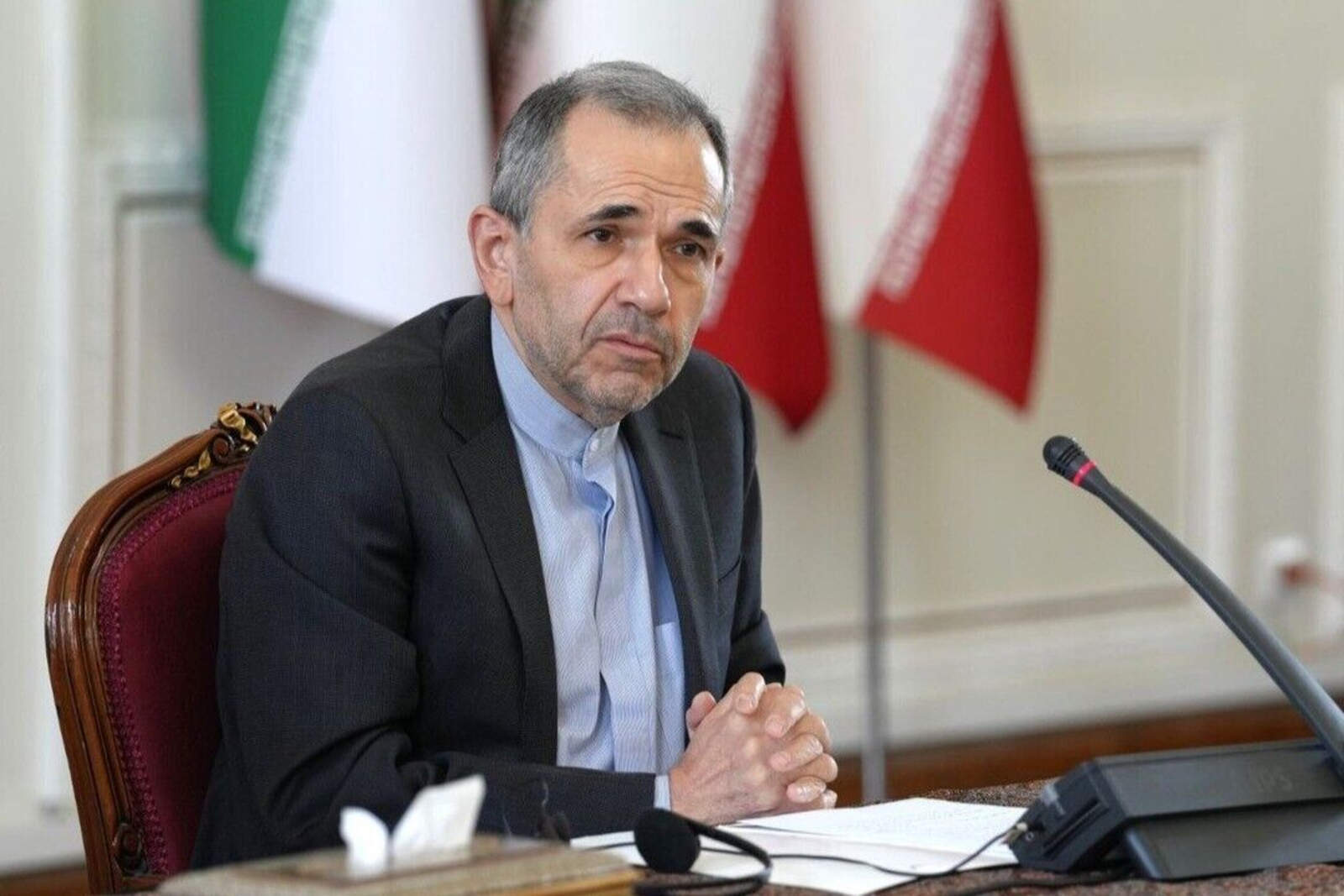
The Iranian deputy foreign minister, Majid Takht-Ravanchi, stated that Tehran is "ready to discuss" its atomic program and other related issues, as long as Washington shows a willingness to negotiate the lifting of sanctions.
"The ball is in the United States' court to prove that they want an agreement", stated the official, who didn't specify what level of economic relief his country would expect in exchange for nuclear concessions.
El viceministro de Relaciones Exteriores iraní destacó la voluntad de Irán de aceptar las condiciones de Estados Unidos para la negociación de un acuerdo
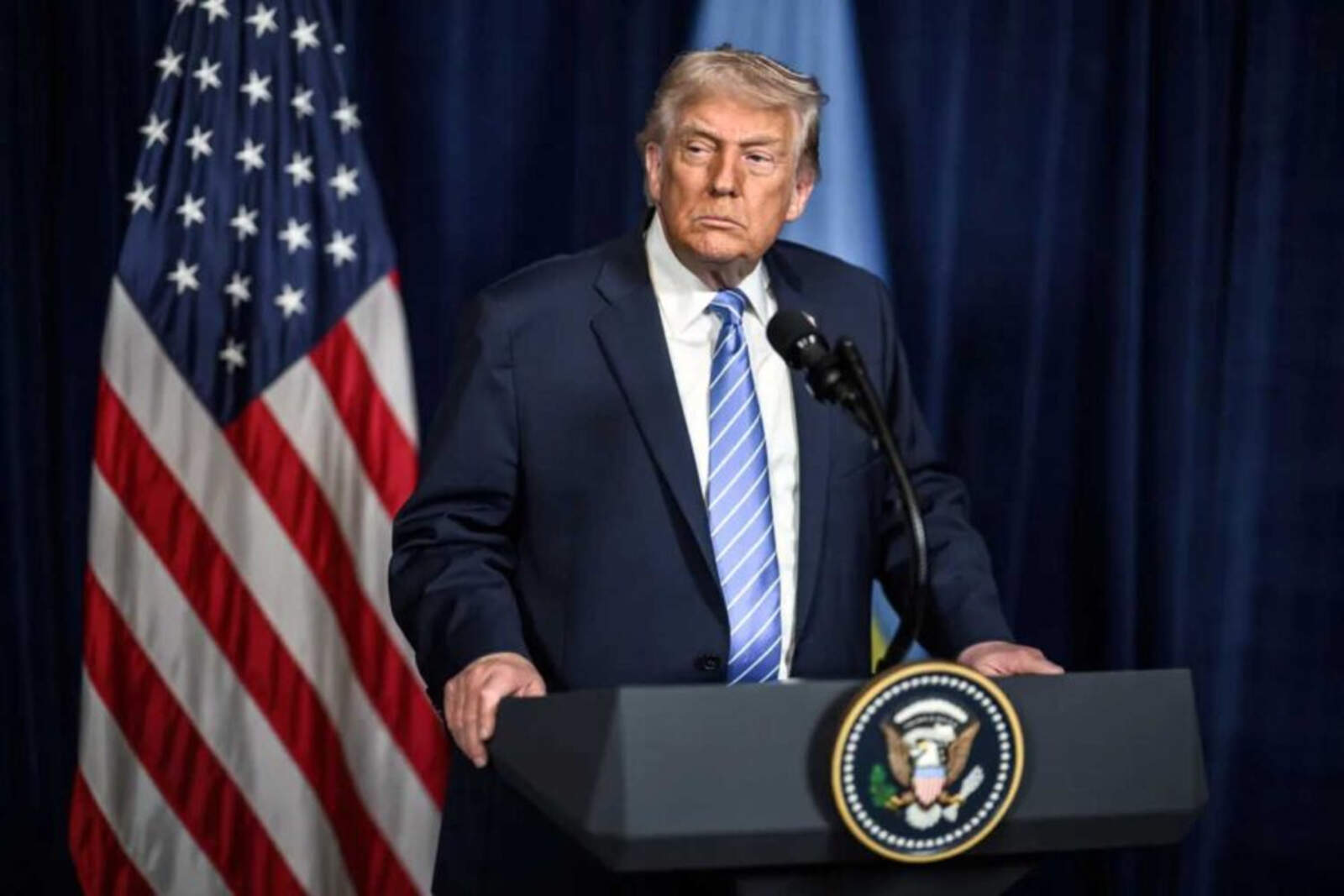
The statements come in a context of strong pressure from the administration of President Donald Trump, which in recent weeks has reinforced the United States' military presence in the Persian Gulf. The Republican leader has reiterated that he doesn't rule out the use of force if an understanding that guarantees the security of the United States and its allies in the region isn't reached.
Trump recently asserted that United States military operations have already severely damaged Iranian nuclear facilities in the past, and he emphasized that his government is willing to act again if it deems it necessary. "If we do it, that would be the least of the mission", he said when asked about the possibility of new attacks on Iranian nuclear sites.
The president also received the prime minister of Israel at the White House,Benjamin Netanyahu, who reportedly raised the need to curb Iran's ballistic missile program.
Officials from the Trump administration have insisted that any new agreement must include not only strict limits on uranium enrichment, but also restrictions on missile development and on the financing of armed groups allied with Tehran.
El gobierno de Trump ha incrementado considerablemente la presión sobre el régimen de Jamenei
Iran has repeatedly denied that it seeks to develop nuclear weapons. However, before the recent United States attacks, the country enriched uranium up to 60% purity, a level that experts consider close to the threshold required for military use. Washington keeps that this activity reinforces the need for a broader and more verifiable agreement than the one reached in 2015.
In 2018, Trump withdrew the United States from the ill-fated nuclear pact negotiated during the Obama administration, arguing that it didn't sufficiently address Iran's regional and military ambitions. Since then, the White House has pursued a policy of "maximum pressure" based on economic sanctions and diplomatic isolation.
Meanwhile, Iran faces a complex internal situation. The country was the scene of mass protests last month after a sharp devaluation of its currency and a cost-of-living crisis, partly attributed to the impact of sanctions. The Human Rights Activists News Agency has reported thousands of deaths in the context of the repression, although the figures vary upward day by day.
United States and Iranian officials held indirect talks in Oman at the beginning of the month, and a second round is expected in Geneva. Although deep differences persist, the Iranian regime has shown a willingness to give up several of its demands in the face of the complex situation the country is going through, in the face of the United States' relentless pressure to achieve a regional scenario of lasting peace.
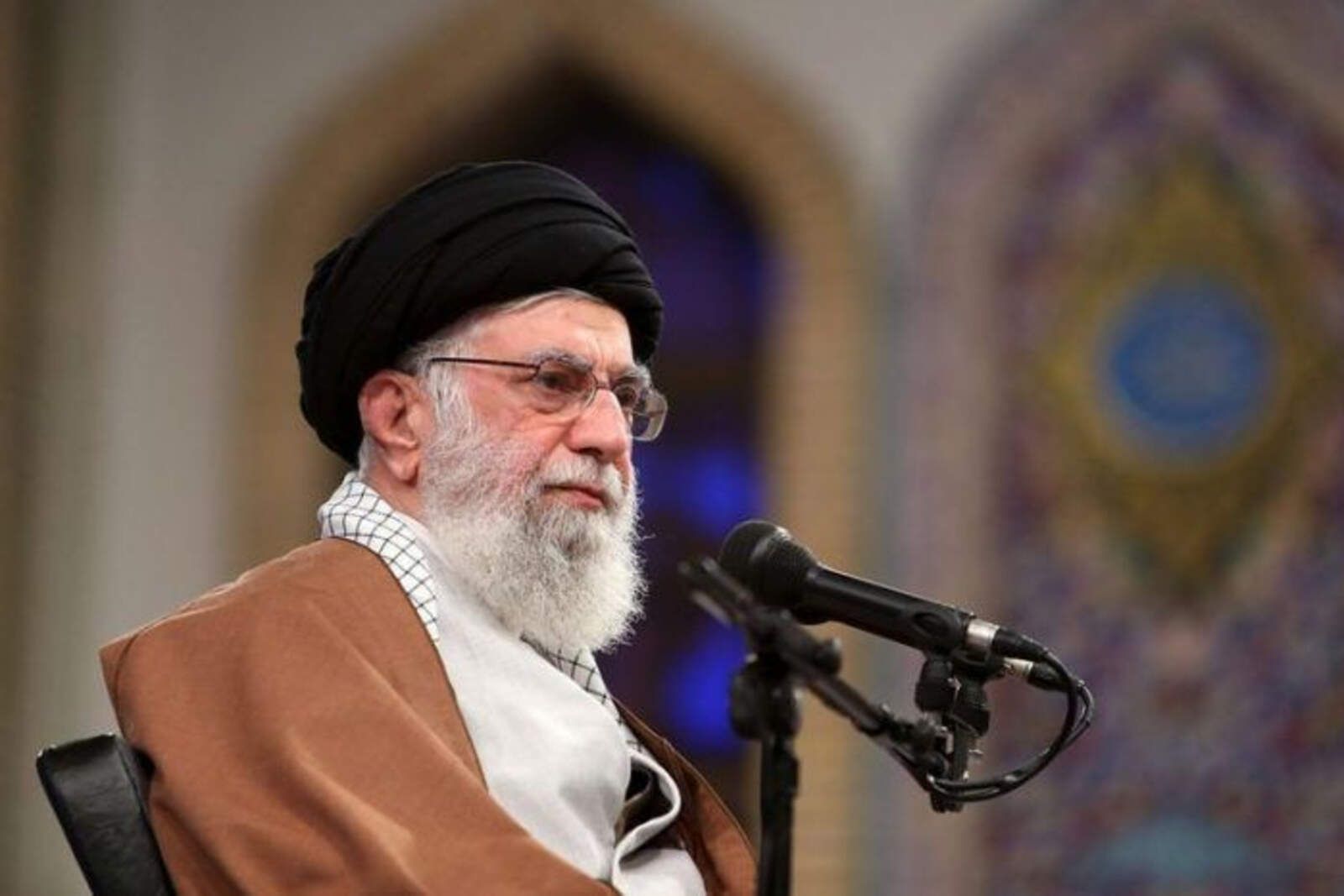
La dictadura de Jamenei enfrenta una fuerte crisis a raíz de las masivas protestas a lo largo de Irán