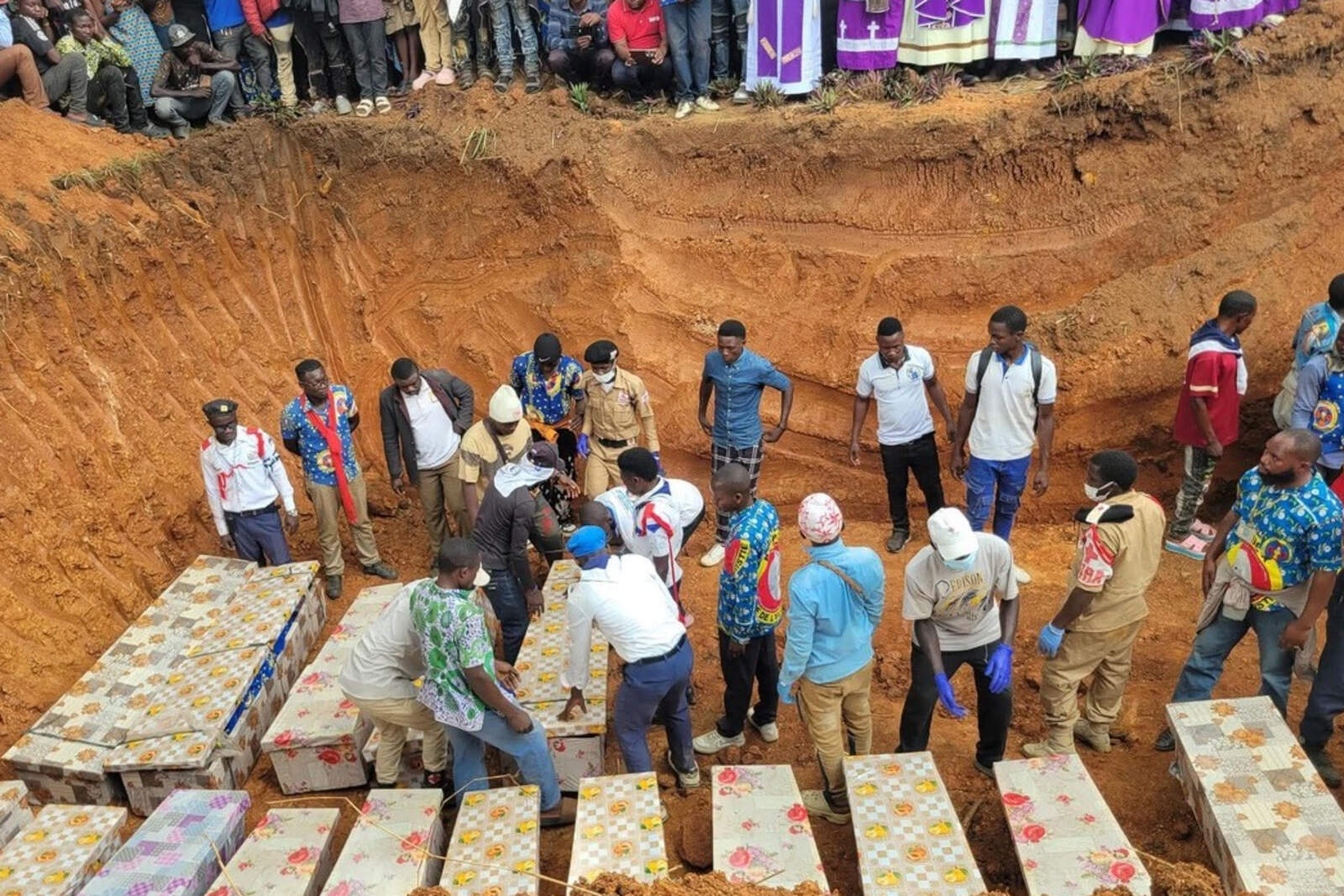
The Islamic State once again demonstrated its capacity for violence in Africa by claiming responsibility for an attack in the Democratic Republic of the Congo that left at least 121 dead.
The action was reported in the propaganda weekly An Naba (No. 512), where the Islamist organization released images and accounts of the massacre.
According to its own version, the events took place in the Lubero and Beni areas, during a large Christian gathering in the village of Ttuyo, near Mangor Yad Jeba.
Los hechos se produjeron en las zonas de Lubero y Beni.
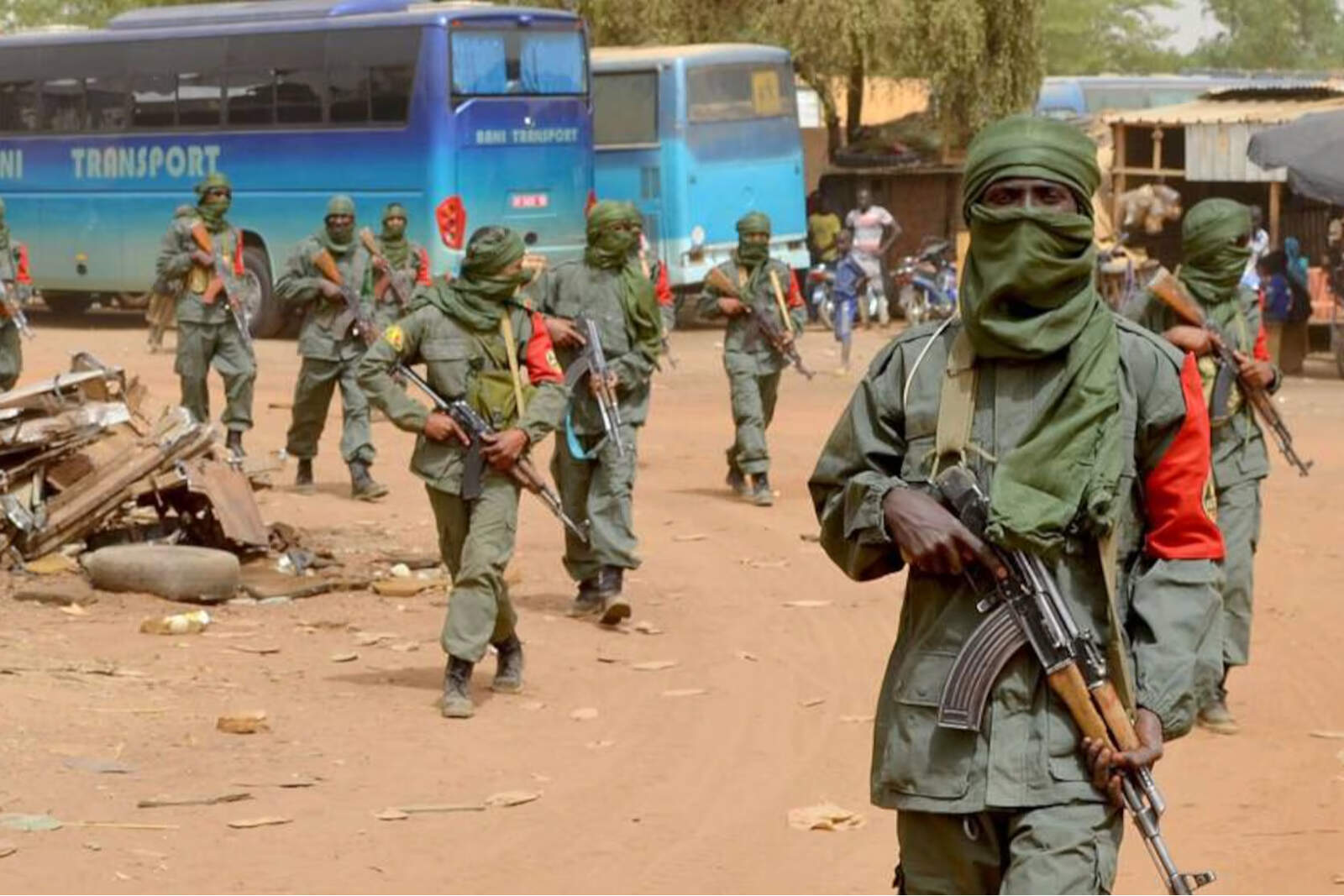
The group claimed that its fighters stormed the gathering with machine guns and axes, causing the deaths of dozens of peopleand the burning of at least 30 homes.
Among the highlighted episodes, the terrorists recount having confronted Christian children with the dilemma of"Islam or the sword". The weekly states that the minors "chose to die themselves after rejecting Islam".
Meanwhile, the publication describes the capture and execution of 21 Christian women, as well as the burning of motorcycles and belongings. The strikers claim the action as part of a systematic strategy against religious communities in Central Africa, where the jihadist presence has expanded in recent years.
The testimonies disseminated by the organization itself confirm a sustained pattern of persecution against Christian minorities in the region. Insurgent groups linked to the local Islamic State affiliatehave intensified their operations, consolidating control in rural areas and causing massive displacement of the civilian population.
Fue un acto enmarcado en una estrategia sistemática contra comunidades religiosas en África central.
The massacre occurs in a context of growing instability and institutional weakness in the Democratic Republic of the Congo, where the State has proven unable to guarantee security in eastern territories.
The advance of Islamist armed groups poses a direct challenge to national sovereignty and regional stability, with an impact on neighboring countries.
Meanwhile, the propaganda of the Islamic State highlights the action as a "feat", while the international response has been limited.
The persistence of this type of attack exposes the scant attention from multilateral organizations and Western governmentsto the expansion of jihadism in Africa, a phenomenon that is consolidating as a global threat without finding effective responses on the diplomatic or military front