








Israel announced this Sunday the capture of the medieval fortress of Beaufort, a strategic position located in southern Lebanon that has occupied a central place in the military history of the region for decades. The operation, carried out by the Golani Brigade of the Israel Defense Forces (IDF), is part of the expansion of the ground offensive against Hezbollah and marks one of the most significant advances of Israeli troops since the beginning of the current war on the northern border.
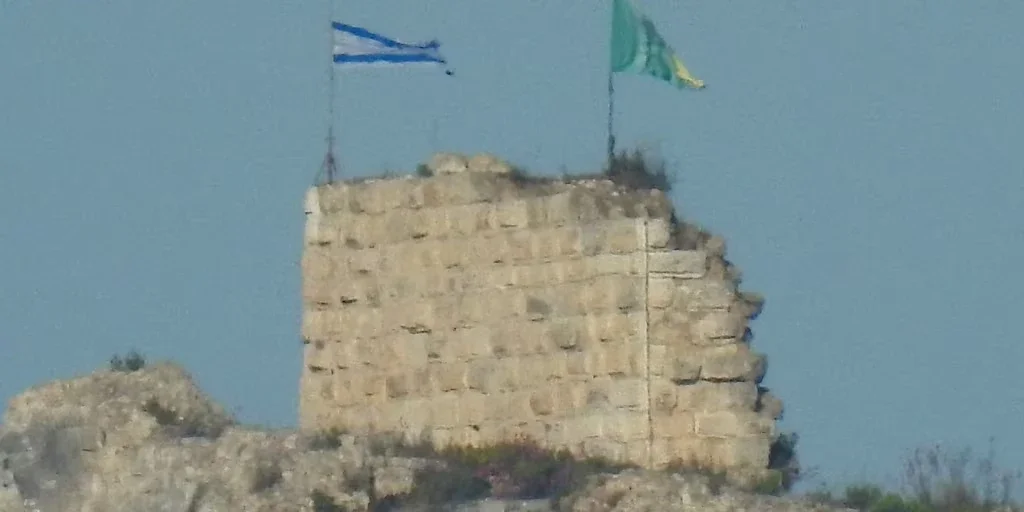
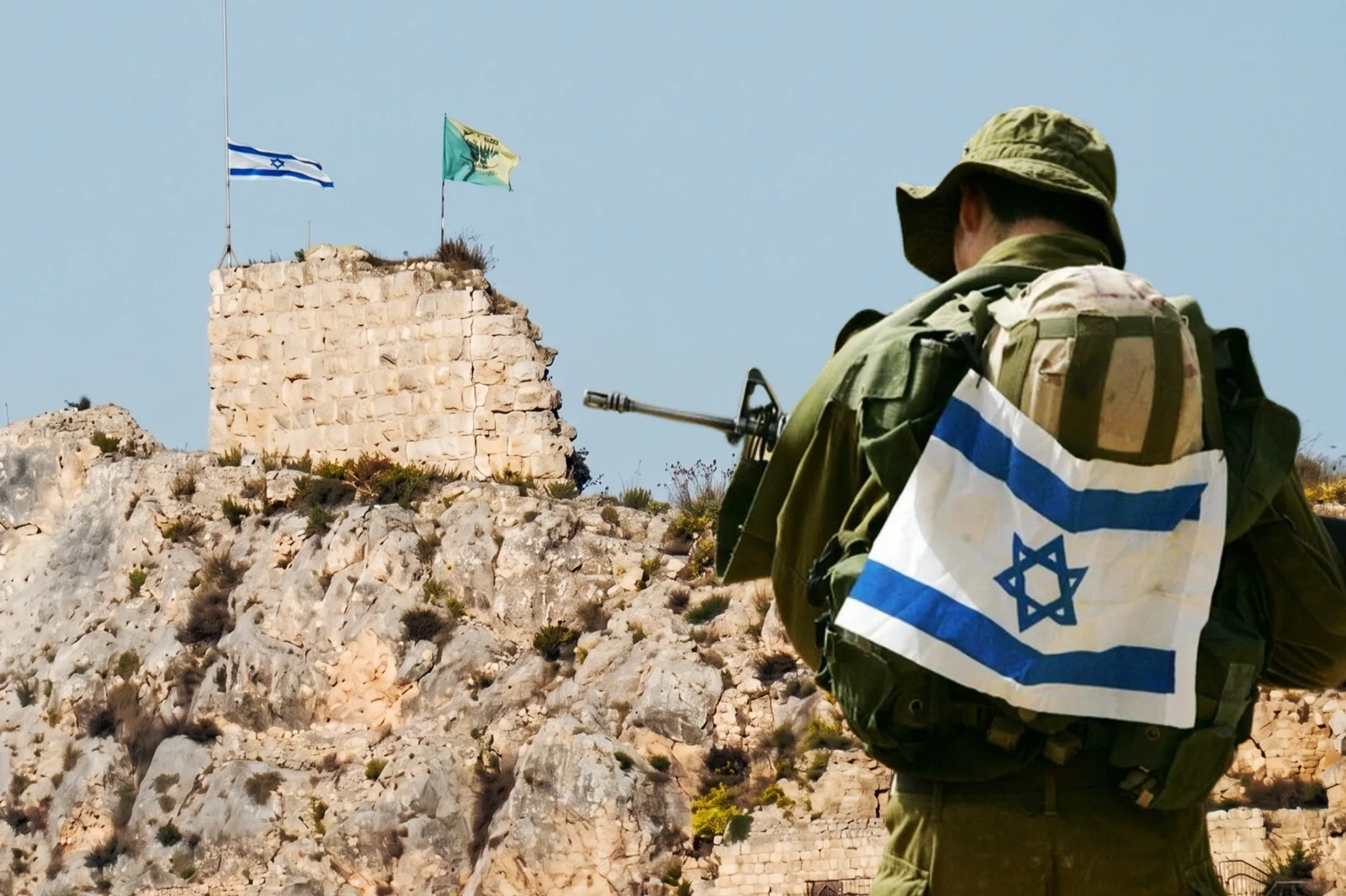
The Israeli Defense Minister, Israel Katz, confirmed that Israeli soldiers reached the top of the fortress and deployed both the national flag and the insignia of the Golani Brigade. The announcement was made during the commemorative events of the so-called Galilee Peace War and in tribute to the Israeli soldiers who died in the historic Battle of Beaufort in 1982.
For his part, Prime Minister Benjamin Netanyahu described the capture of the fortress as a ''decisive turning point'' in the military campaign against Hezbollah. In a message released by his office, he stated that Israeli forces have crossed the Litani River, secured elevated positions, and taken control of areas considered key to the security of northern Israel.
''The forces have taken control of strategic heights and now the instruction is to deepen and expand our control over the areas that were under Hezbollah's dominion,'' Netanyahu noted, who presented the operation as a fundamental step to reduce the threat posed by the Iran-backed Shiite group.
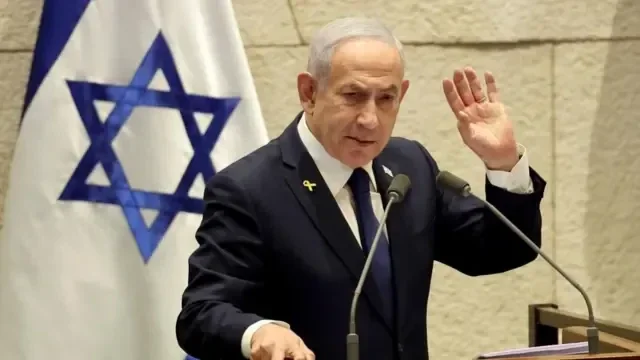
The Prime Minister of Israel stated that the capture of the Beaufort fortress by the armed forces marks a turning point in the war.
The fortress of Beaufort occupies a privileged position on a hill that overlooks vast stretches of southern Lebanon. Its strategic value lies in the ability to observe access routes, military movements, and areas close to the Israeli border. For years it was used by various armed organizations due to its dominant location and the tactical advantages offered by the terrain.
For Israel, the site also carries a deep symbolic weight. In 1982, during the Israeli invasion of Lebanon, soldiers from the Golani Brigade fought an intense battle to capture the fortress, then occupied by fighters from the Palestine Liberation Organization.
The confrontation resulted in numerous casualties and became one of the most remembered episodes of that military campaign. After the conquest, Israeli forces maintained control of the area for approximately 18 years, until the withdrawal from southern Lebanon in 2000.

The Israeli Defense Minister assured that the forces that captured the fortress raised the Israeli flag and the insignia of the Golani Brigade.
The IDF reported that the recent operation focused on the Beaufort Ridge region and the Wadi Saluki valley, areas that, according to the Israeli army, house significant military infrastructure of Hezbollah built with Iranian support. According to the military, armed operations were planned from that area, and numerous rocket attacks were launched against Israeli communities and military positions over the past years.
Before the ground advance, the Israeli Air Force carried out a wide bombing campaign against targets identified as weapons depots, command centers, and other facilities used by Hezbollah. Subsequently, infantry, armored units, and military engineers entered the area to secure the terrain and destroy infrastructure deemed a threat to Israeli security.
The Israeli army also noted that operations have already extended to sectors located north of the Litani River and that the offensive continues to expand into new areas. Military spokesman, Colonel Avichay Adraee, stated that the troops are currently operating near Nabatieh, considered one of Hezbollah's main strongholds in southern Lebanon.
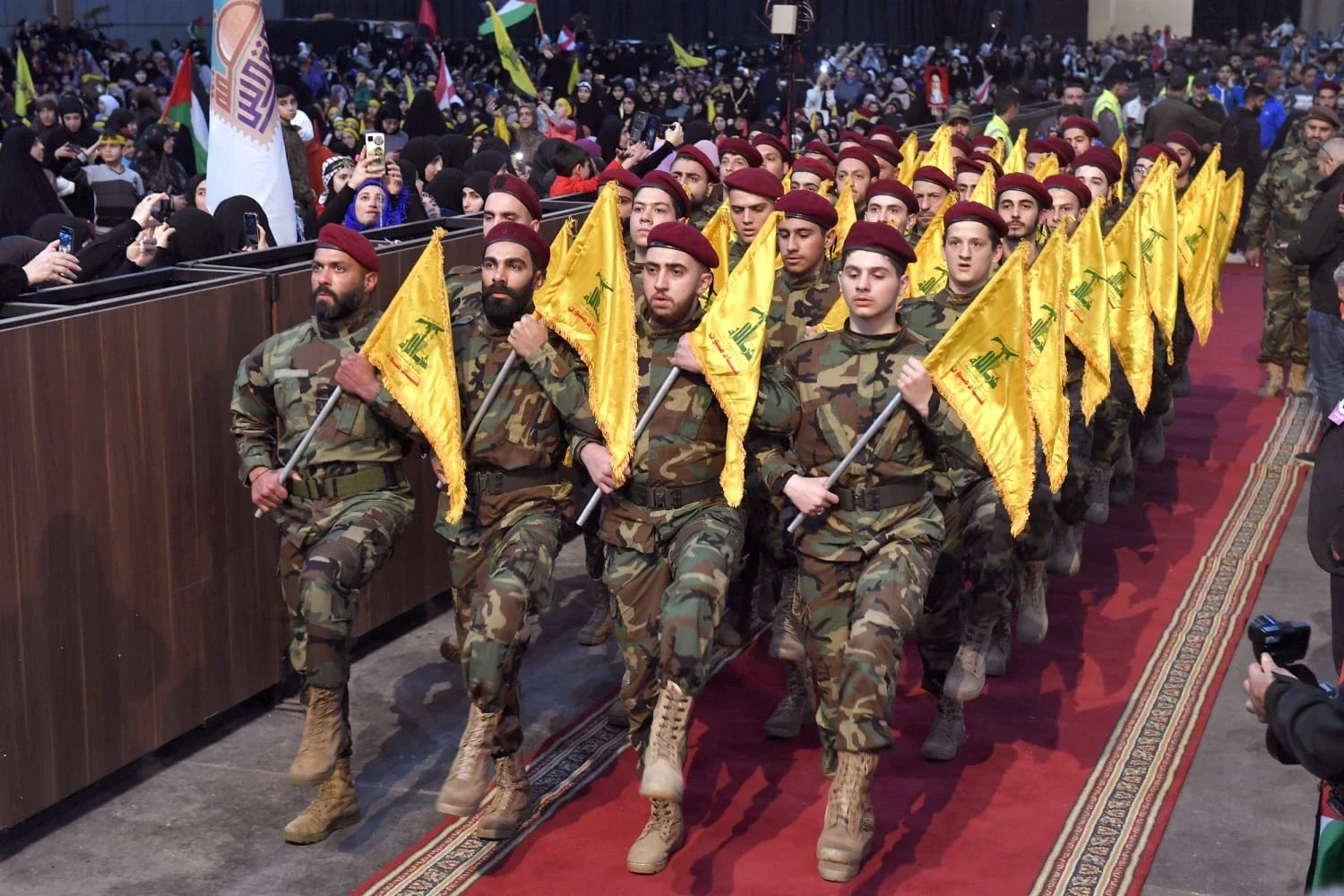
Hezbollah's military factions used the settlement for military purposes.
In parallel, Israeli authorities reiterated evacuation warnings for large areas of southern Lebanon. Israel maintains that Hezbollah has violated ceasefire agreements and continues to use civilian areas to carry out military activities, an accusation that the group denies.
The current war began on March 2, when Hezbollah launched a series of rocket attacks against northern Israel two days after a joint operation by Israel and the United States against Iranian targets. Since then, clashes have steadily intensified, causing population displacements and increasing the risk of a broader regional escalation.
As the Israeli flag once again flies over the historic fortress of Beaufort, Netanyahu's government considers the capture as a strategic achievement aimed at strengthening the security of the northern border and weakening Hezbollah's operational capacity. However, the expansion of ground operations also anticipates a new phase of the conflict, in which both sides seem to be preparing for a more prolonged and far-reaching confrontation.
The Beaufort Fortress has historically been the site of multiple military events between Israel and Lebanon.