According to the report from the Department of Coordination and Operational Management –911–, in January authorities detained 47 informal parking attendants and 16 windshield cleaners, following the intervention of police patrol cars
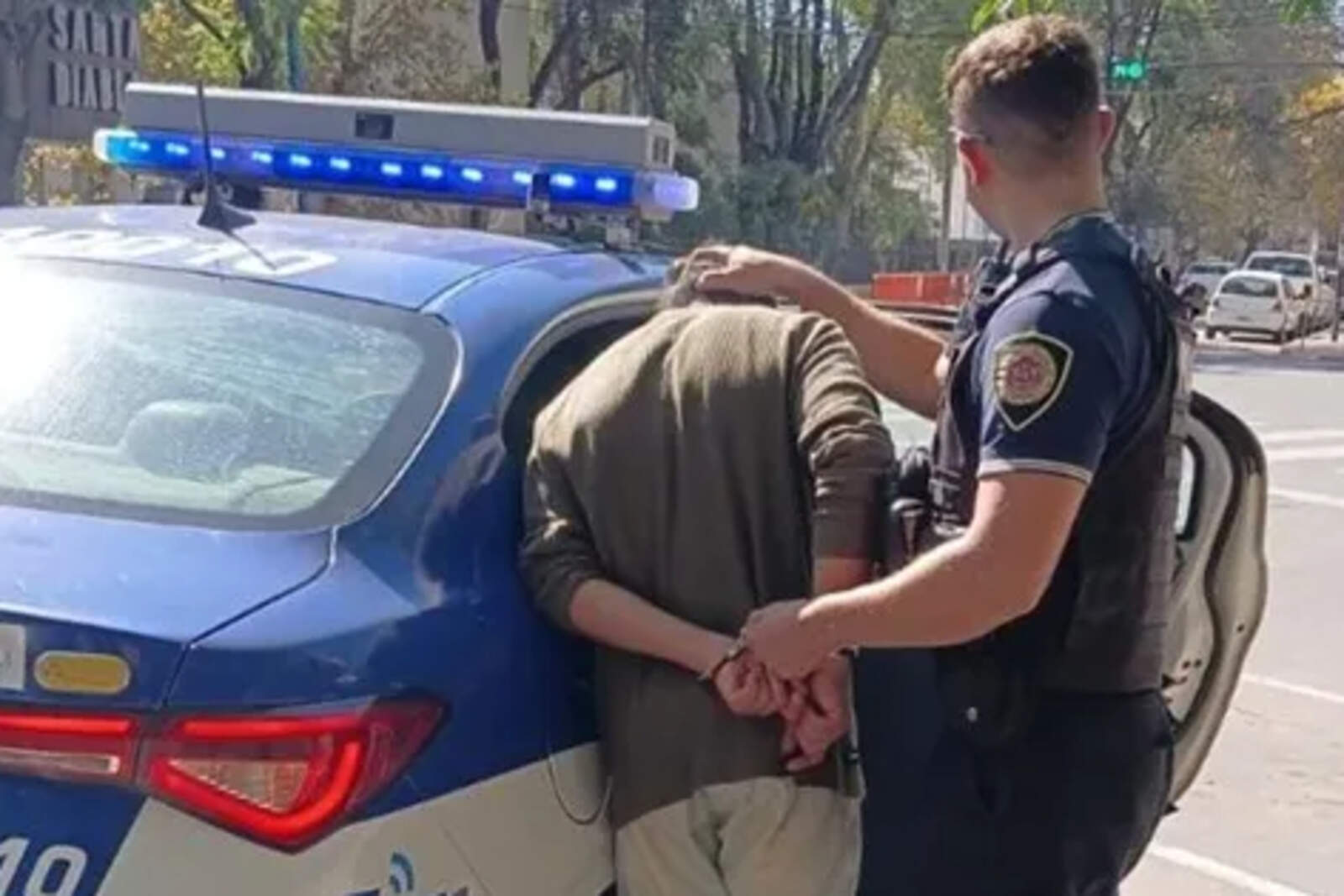
The first month of 2026 recorded 63 arrests carried out by the Police of Córdoba based on procedures linked to behaviors that disrupted public order in different parts of the city.
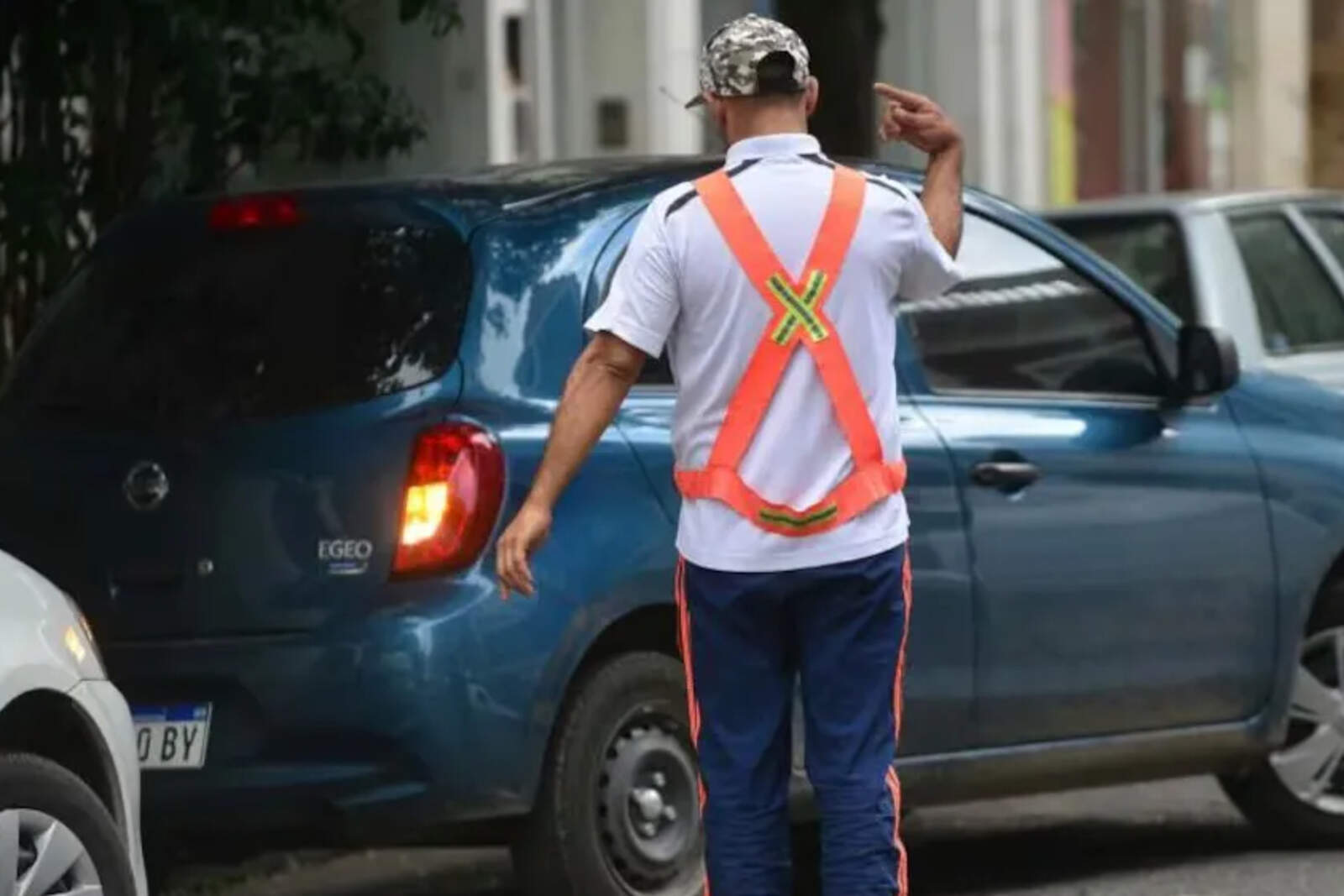
According to the report from the Department of Coordination and Operational Management – 911-, in January 47 informal parking attendants ("naranjitas") and 16 windshield cleaners were arrested, after the intervention of police patrol cars in response to citizens' calls.
Se registraron 63 detenciones de limpiavidrios y cuidacoches en enero.
Córdoba Security Minister Juan Pablo Quinteros emphasized that the increase in interventions doesn't respond to a policy of "arresting for the sake of arresting," but to a key change in social behavior.
"People started calling 911 again because today they know that reporting is useful. For years, many residents felt alone, defenseless, and stopped reporting. That is over," he stated.
The official highlighted that the increase in operations reflects a deep transformation.
More police operations
"The call receives a response because the Police arrive and act. People got tired of some individuals taking over the street; they found a tool and they are using it," he expressed.
The arrests occurred in the face of repeated acts of intimidation, threats, coercive requests for money, fights, damage, and disruption of public order, behaviors classified in the Civic Coexistence Code.
In all cases, the procedures were initiated after notifications from residents, shopkeepers, and motorists.
The Security Minister reaffirmed that the policy will be maintained:"We are going to be firm and inflexible with any behavior that disrupts public order. The street doesn't have an owner: it belongs to everyone. The law is enforced."
With these figures, January becomes the month with the highest level of preventive intervention so far this year, consolidating a trend in which citizen participation and the state's response combine to reclaim public space.