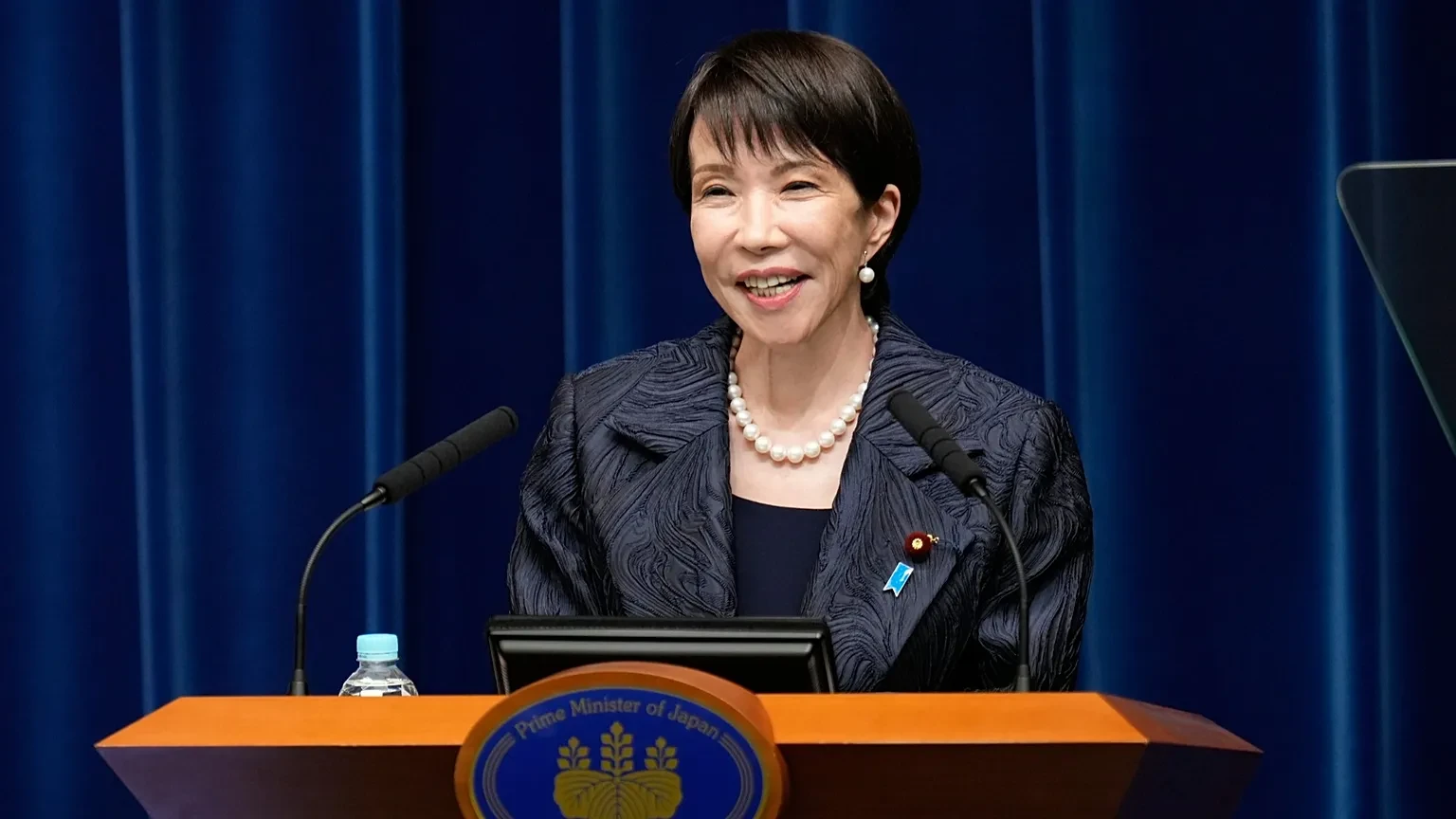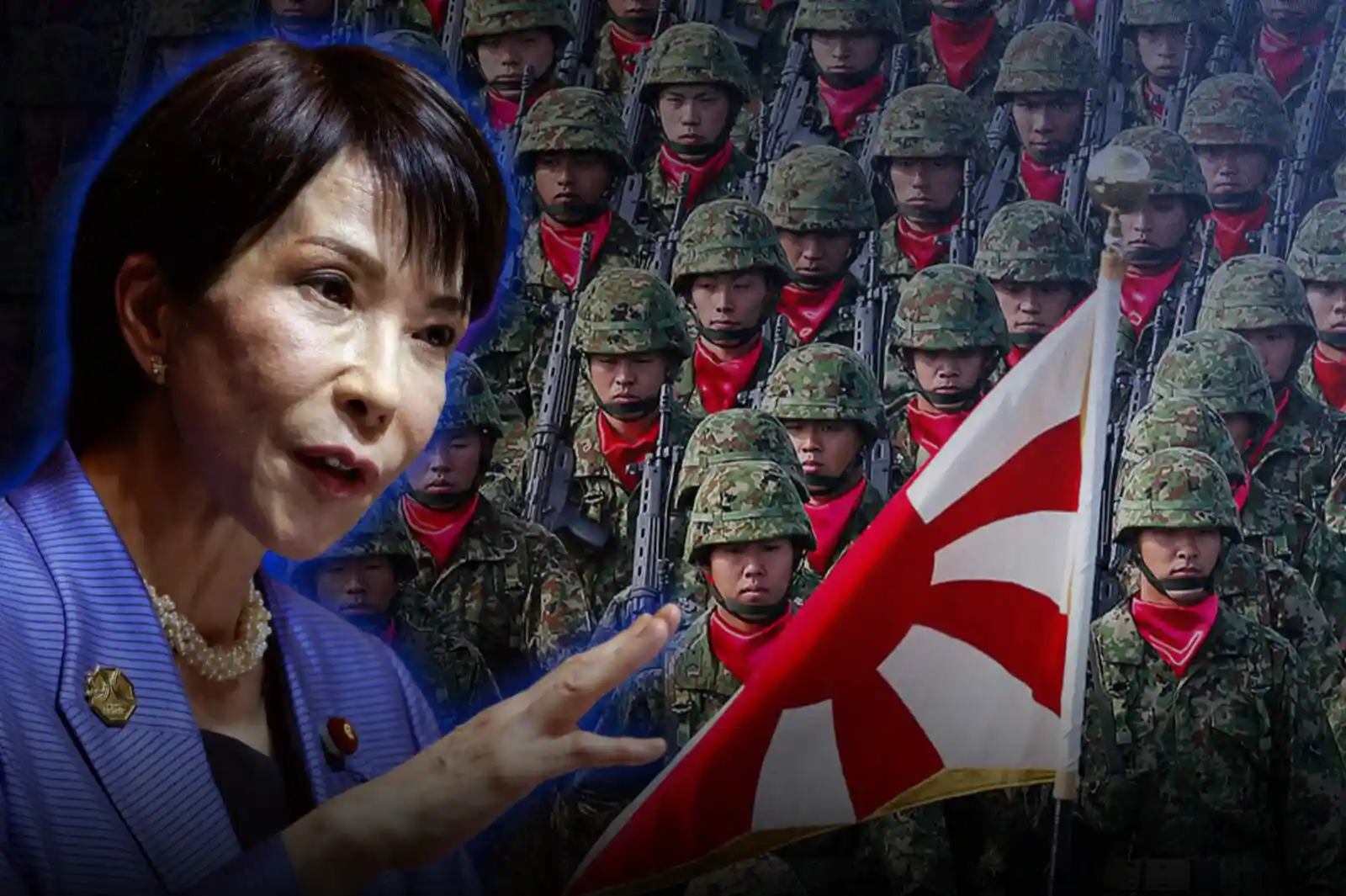









Japan is making unprecedented progress in the modernization of its security and intelligence structure, with the largest reform since the end of World War II.
This shift comes amid concerns about its vulnerability to foreign operations, especially following allegations that point to the country as a key location for espionage and the provision of sensitive technology.
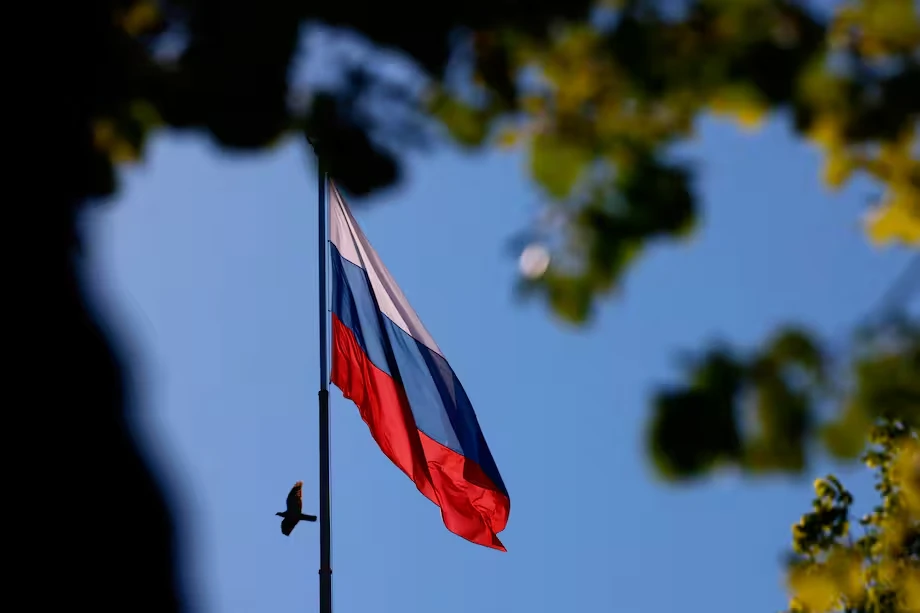
The most recent trigger was an investigation published by The New York Times, which described Japan as a “spy haven” used by Russia for both intelligence gathering and the acquisition of dual-use components intended for its war in Ukraine. According to that report, the country’s “weak espionage laws” facilitated the establishment of these networks.
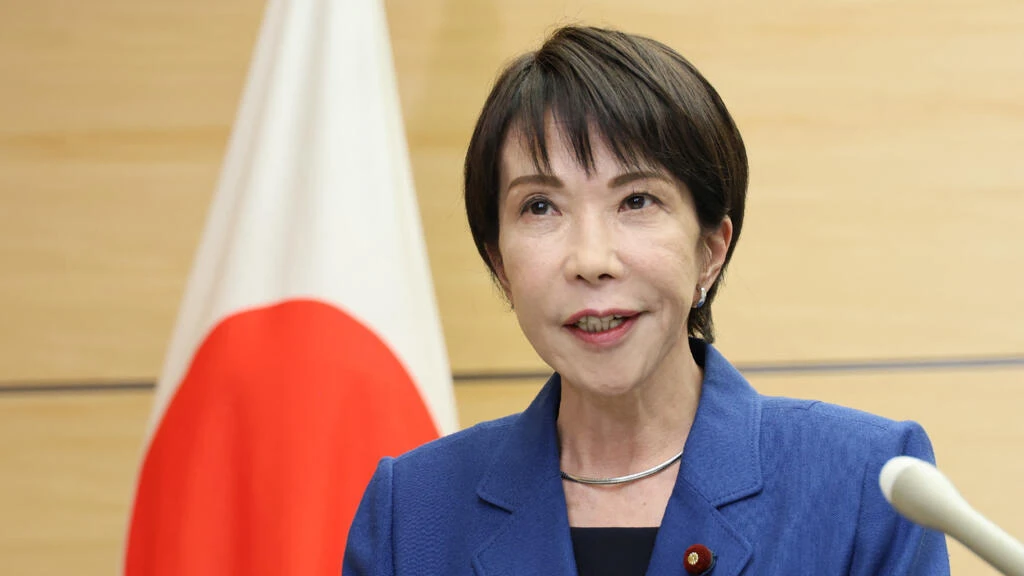
Sanae Takaichi
Russian Espionage in Japan
The concern is not new, but it has escalated over time. Considered for decades as a permissive environment for foreign intelligence agencies, Japan has experienced increased espionage activity following the Russian invasion of Ukraine, when numerous agents were expelled from Western countries and relocated to Japanese territory.
In this context, Nikkei Business reported in August 2022 that around 120 Russian intelligence agents were operating in the country, a figure that reflects the magnitude of the phenomenon.
The problem also manifests in the corporate sphere. In January, Tokyo's public security office reported that an employee of a Japanese machine tool company had leaked trade secrets to an alleged agent of Russia's Foreign Intelligence Service.
The case highlighted the limitations of the current legal framework, as it was treated as unfair competition rather than under specific legislation against espionage.
In light of this scenario, the Japanese government itself acknowledged the need to react. “We recognize that, in a rapidly changing security environment, there is a growing need to counter foreign intelligence activities, such as the acquisition of critical information, that threaten Japan's national security,” stated the chief spokesperson, Minoru Kihara.
The Russian flag
The revelations also point to the international dimension of the problem. The U.S. media report states that 90% of Russian missiles and drones contain Japanese components, according to estimates from the Ukrainian government. To circumvent restrictions, supply networks resort to intermediaries and third countries such as Vietnam, Uzbekistan, and Sri Lanka.
The backdrop of this situation is partly linked to Japan's own legal limitations. The post-war constitution prioritizes the privacy of communications and freedom of expression, which has historically restricted surveillance capabilities.
As a result, the country lacks robust legislation against espionage, beyond norms applicable to military spheres. Previous attempts to tighten the legal framework, such as in 1985, failed due to social opposition, while the Specially Designated Secrets Act of 2013 proved insufficient to address current challenges.
Sanae Takaichi
Sanae Takaichi's Reforms
In this context, the government led by the right-wing Sanae Takaichi is pushing for a structural reform supported by its parliamentary majority. Among the measures already adopted is the approval of the National Intelligence Council Creation Act, which establishes a new centralized body under the prime minister's authority and the formation of a National Intelligence Office (NIB) with 700 members.
This new entity will aim to coordinate operations that were previously fragmented and oversee counterintelligence. Additionally, it is expected that by the end of 2026, specific legislation aimed at foreign agents will be presented, in an attempt to close legal loopholes.
The restructuring also includes the creation of a foreign intelligence agency, equivalent to organizations like the CIA or MI6, which is set to begin operations in 2028.
Japan is undertaking this reform after decades of institutional weakness against espionage, in a scenario where threats are already active within its borders.