The national government will take a historic step in the field of Justice tomorrow: President Javier Milei will present the comprehensive reform bill of the Penal Code at Ezeiza prison, which will be sent to Congress with the hallmark of his administration: modernization, firmness, and defense of victims.
This is a structural change that will replace the textin force since 1921, which for more than 100 years has accumulated patches and contradictions, and which has never been fully updated. "Those who do the crime, pay the price", repeats Security Minister Patricia Bullrich, in line with the spirit of this reform that seeks to end impunity.
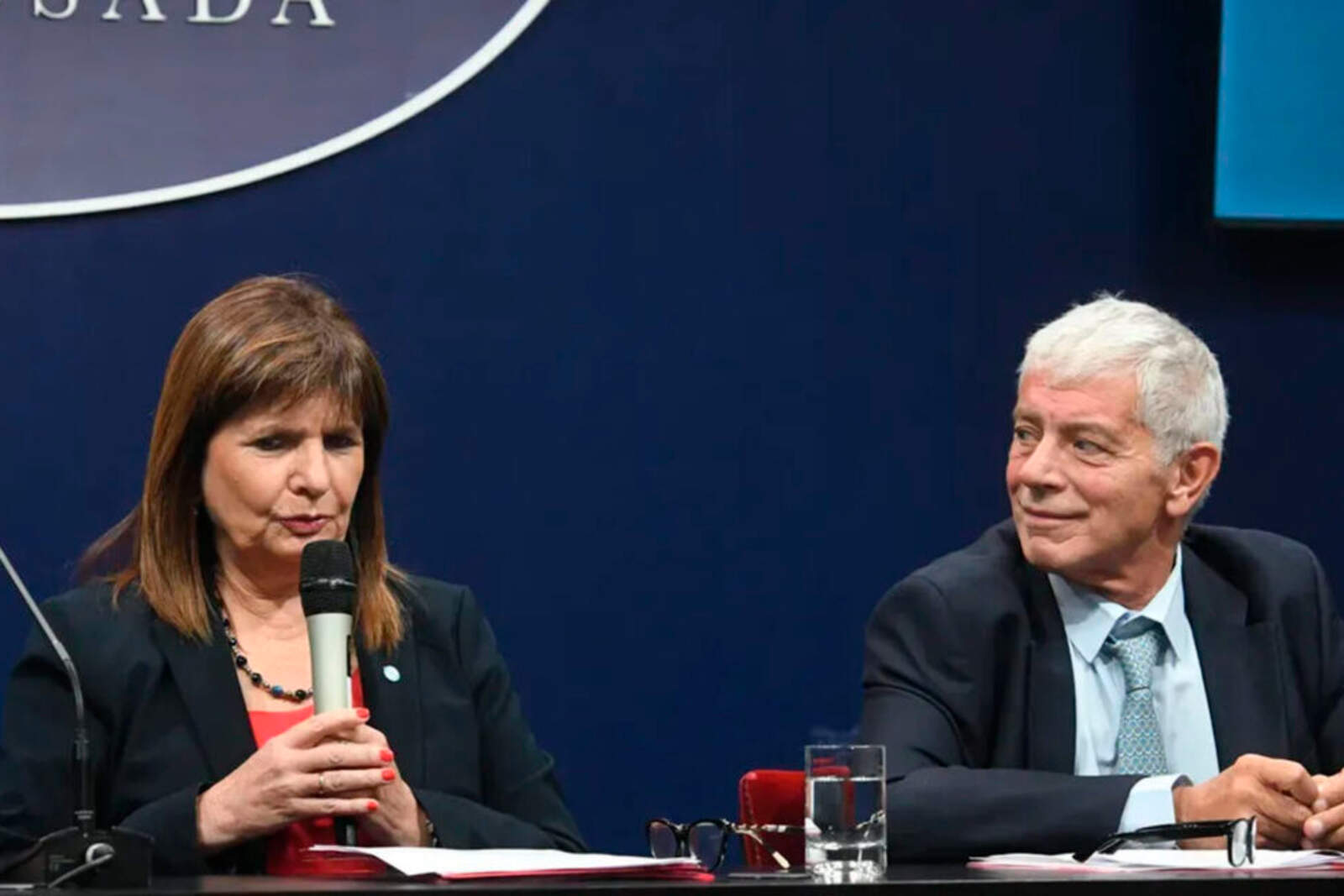
Patricia Bullrich y Mariano Cúneo Libarona.
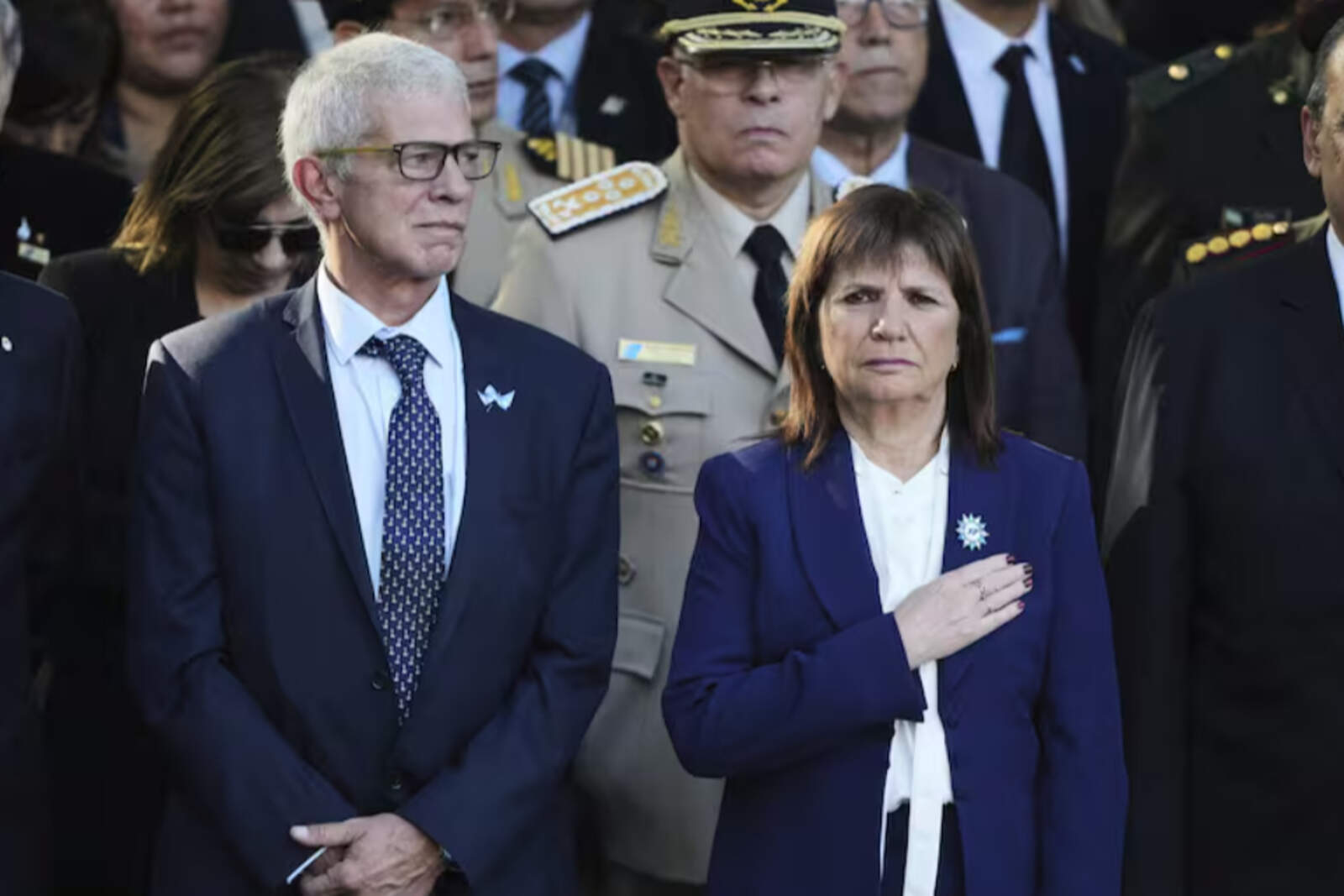
The event is scheduled for 6:00 p.m. and will be attended by President Milei, Justice Minister Mariano Cúneo Libarona, and Security Minister Patricia Bullrich. Judge Mariano Borinsky, vice president of the 2024 Penal Code Reform Commission, will also participate. He coordinated the technical work together with a distinguished team of jurists, judges, and specialists, including María Eugenia Capuchetti, Jorge Buompadre, and Carlos Manfroni.
The new Penal Code unifies the provisions of the old code and more than a thousand special laws, expanding its articles from 316 to 920. The text, personally reviewed by Cúneo Libarona, toughens sentences, incorporates contemporary criminal offenses, and strengthens protection for victims.
Patricia Bullrich y Mariano Cúneo Libarona.
Among the most relevant measures, the following stand out:
Lowering the age of criminal responsibility.
Restriction of parole.
No statute of limitations for homicides, sexual abuse, human trafficking, drug trafficking, and crimes against humanity.
Harsher penalties for crimes that affect daily life: cell phone theft, home invasions, pyramid schemes, bank robberies, and traffic offenses.
Newly defined crimes, such as "stealthing," revenge porn, virtual kidnapping, organized violence, and animal cruelty.
Corruption and organized crime: tougher sanctions for officials, elimination of benefits for repeat offenders, and sentences of up to 20 years for transnational criminal organizations.
Environmental crimes: harsher sentences against illegal mining and the destruction of biodiversity.
Cybercrimes: penalties for digital fraud and complex cyberattacks.
Defense of security forces: the legitimacy of self-defense is expanded and penalties for attacks on uniformed officers are increased.
Firm stance against violent protests
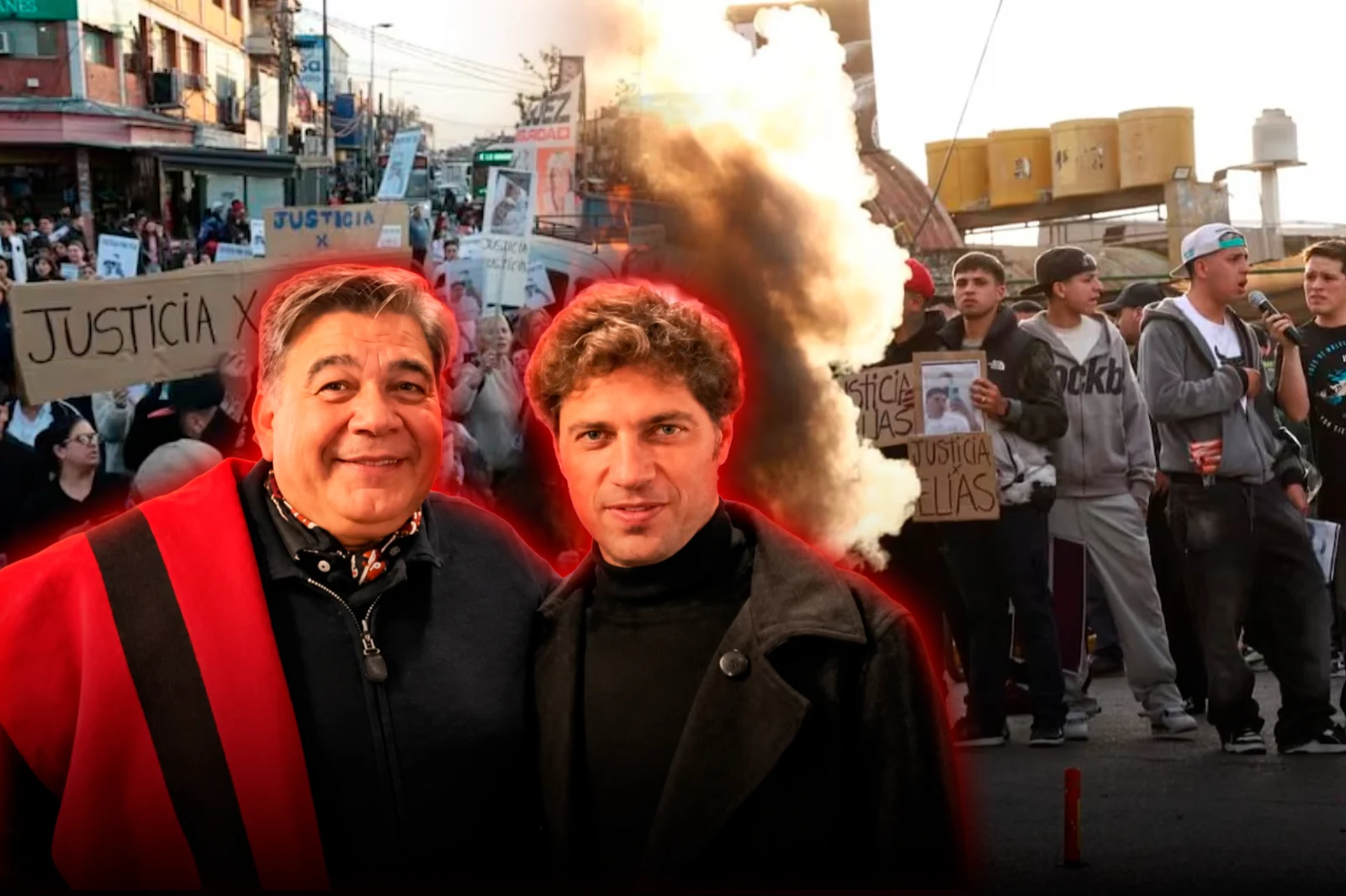
The bill also introduces clear regulations for demonstrations. Those who obstruct traffic during public protests will be punished with up to three years in prison, and those who throw blunt objects with up to two years. In cases of assaults on security forces, penalties are increased.
Likewise, those who promote violence at sporting or mass events will be severely punished, seeking to guarantee public order in the face of common practices by radicalized groups.
In the last 105 years there have been 18 partial attempts to modify the Penal Code. None have reached the depth of the proposal now promoted by Milei. After more than a hundred meetings with judges, prosecutors, and public defenders, the new text strengthens legal certainty, updates punitive frameworks, and sends a clear message: Argentina will no longer be a country where crime pays.