TOF 4 stated that there is no medical risk and that Ezeiza has adequate medical care
Nuevo
Agregar La Derecha Diario en
Compartir:
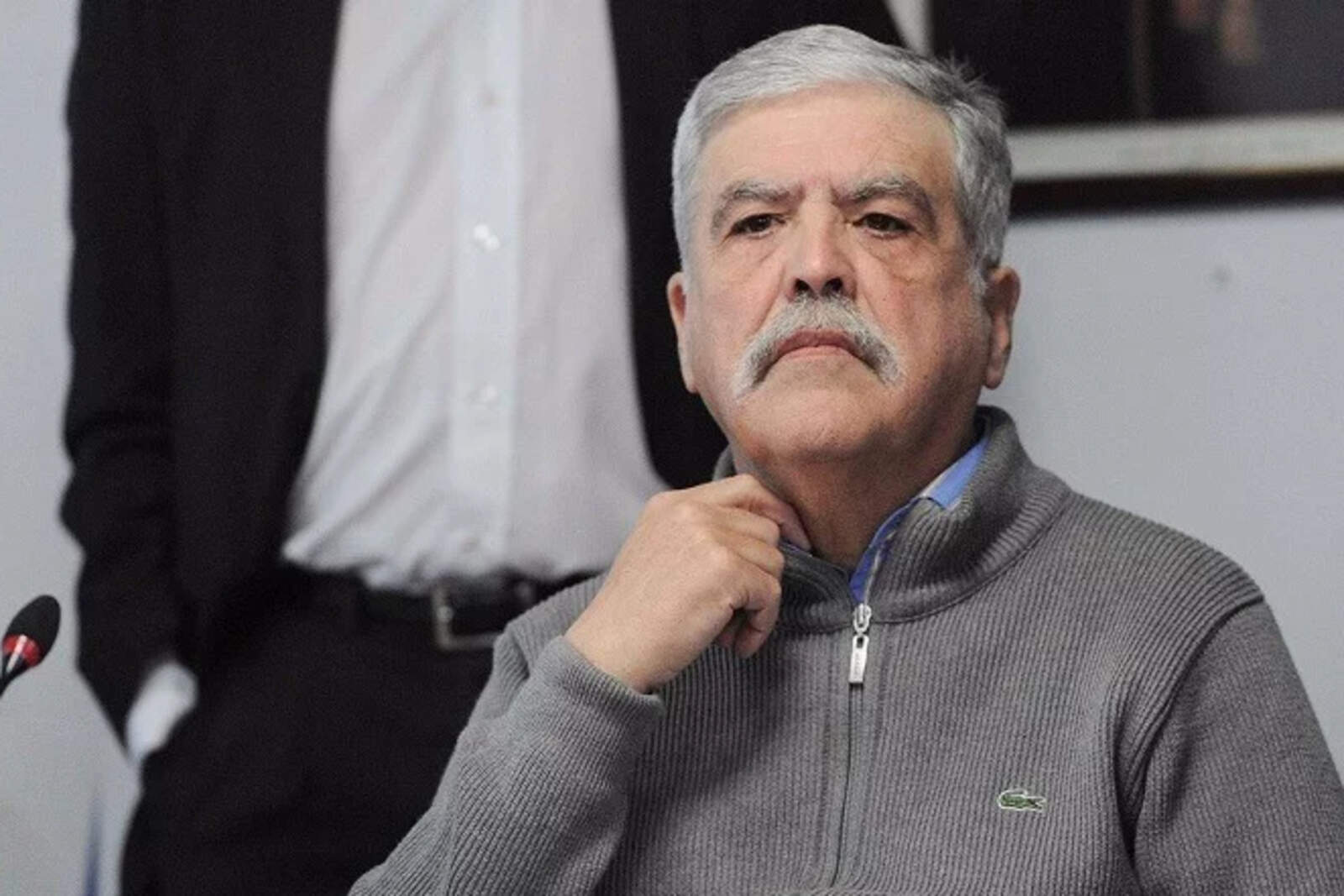
Federal Oral Court No. 4 rejected the request for house arrest submitted by the defense of former Kirchnerist minister Julio De Vido, who was sentenced to four years in prison for his responsibility in the Once Tragedy. The former official, recently transferred to the Ezeiza prison, had requested to serve his sentence at his personal estate, but the judges determined that there is no medical condition that would justify an early benefit.
The decision, signed by Ricardo Basílico, Fernando Canero, and Néstor Costabel, was categorical: the Ezeiza penitentiary complex has a fully equipped hospital and the clinical reports rule out any serious situation. The judges recalled that the process to evaluate a possible house arrest is still ongoing, but emphasized that it is not appropriate to adopt preventive or exceptional measures as long as there are no conclusive expert reports from the Forensic Medical Corps.
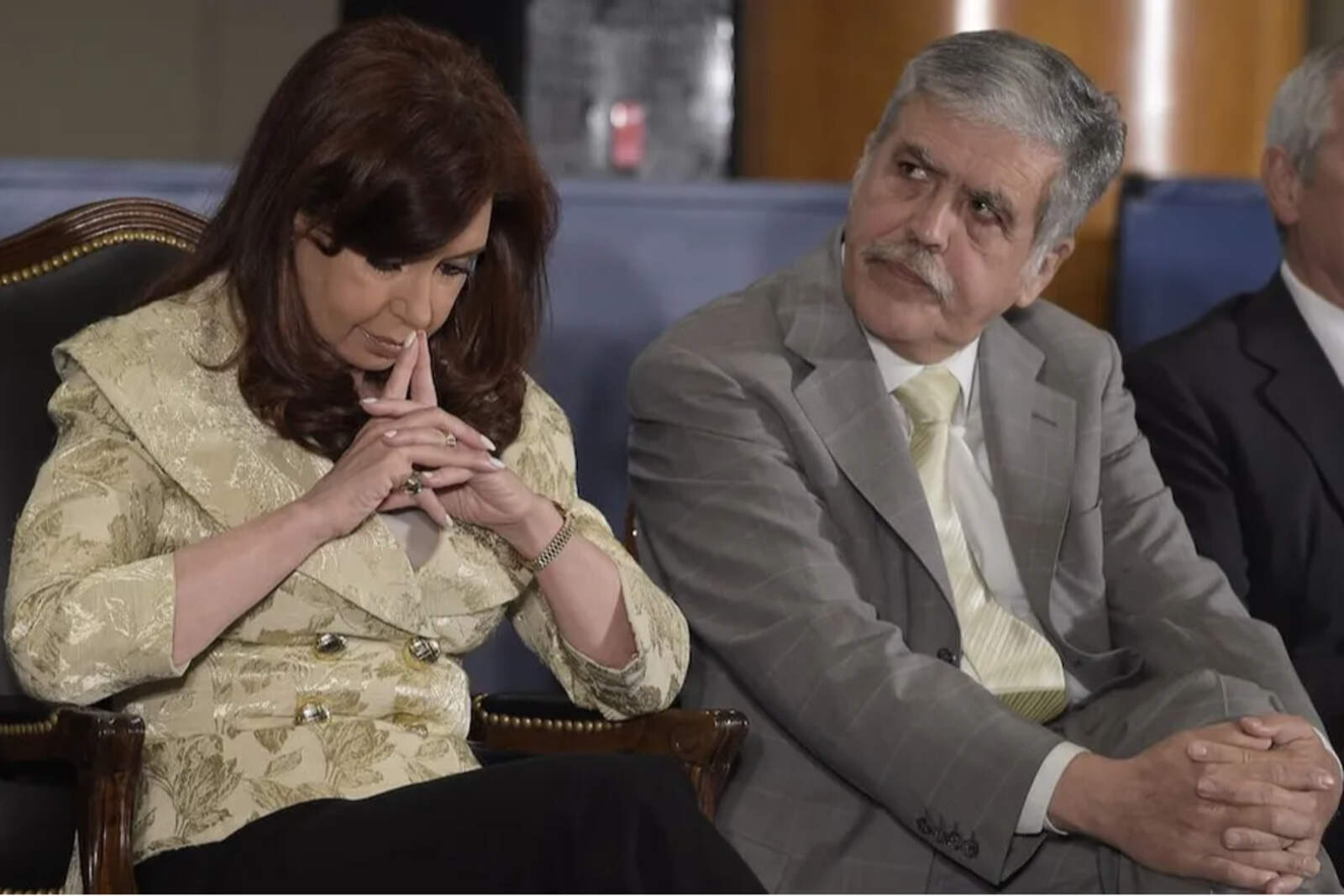
CFK junto a Julio de Vido.
Meanwhile, the relatives of the 51 fatal victims of the Once Tragedy have once again demanded that De Vido serve his sentence in a regular prison. Their demand targets the historic policy of privileges that accompanied the former minister during his years in power and contrasts with the public pressure exerted by La Cámpora and sectors of the PJ to send him back to his residence in Puerto Panal.
The TOF 4 ruling highlights that the medical studies included in the case file do not reveal omissions or risks in the care the inmate receives. On the contrary, the Federal Penitentiary Hospital reported that De Vido—75 years old (165 pounds)—is lucid, oriented, with cardiological parameters within normal values, preserved mobility, and the ability to walk unassisted. It was also noted that he receives his usual medication for hypertension, insulin-dependent diabetes, arrhythmia, asthma, and other chronic conditions, along with a specific diet and daily check-ups.
The judges emphasized that they have already ordered all necessary measures to guarantee his health and ensure dignified living conditions. The Federal Penitentiary Service confirmed that the former minister receives permanent monitoring, correct medication supply, and a dietary plan adapted to his needs, as well as ongoing evaluations by cardiology, ophthalmology, and diabetology specialists.
La masacre de once, por la que fue condenado.
In this context, the court recalled that Article 495 of the Code of Criminal Procedure only allows for the modification of a sentence's execution when there is a serious illness that endangers the life of the detainee. The current reports completely rule out that scenario, which is why the judges considered any attempt to advance the benefit "inadmissible."
The judicial setback complicates Kirchnerism's aspirations, which for weeks has been promoting a campaign to present this as a humanitarian case. However, the medical evidence and the patient's own condition contradict the political narrative. For now, while the ordered studies continue, De Vido will continue serving his sentence in the Ezeiza prison.