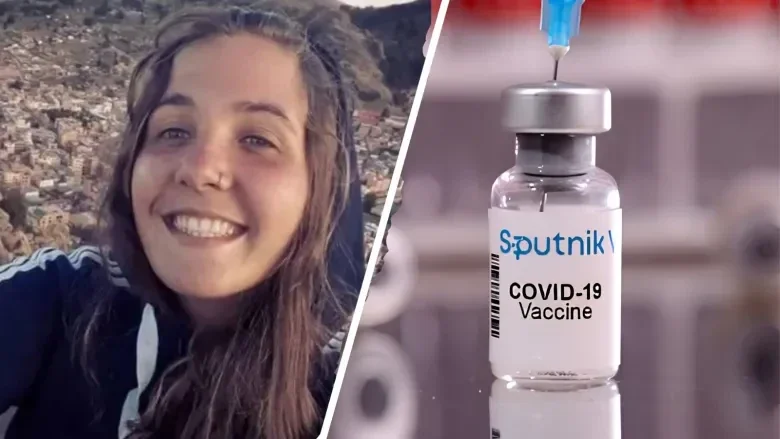

The ruling also considers a key piece of evidence a medical report from June 16, 2022, prepared by Dr. Susana Vanoni, who certified that “the clinical condition of the patient and her final evolution must undoubtedly be interpreted as an adverse event secondary to COVID-19 vaccination.”
Another determining element was the intervention of the National Commission on Vaccine Safety (CoNaSeVa), which reviewed the case and, in line with the evolution of international scientific consensus, reclassified the event, formally recognizing the causal link between the vaccine and the harm.
Throughout the process, multiple instances, studies, and delays were encountered until the Justice validated the reports from specialists who agreed that the thrombosis was induced by the vaccine.
The family's lawyer also highlighted a key point: the Sputnik V “did not have pharmacovigilance,” meaning it lacked continuous monitoring aimed at detecting, evaluating, and preventing adverse reactions.
The case was driven from the outset by the young woman's mother, who also sought to bring visibility to what happened. Ultimately, the Justice validated the existence of serious adverse effects and, in this case, fatal.
With this ruling, the Sartori case becomes a key precedent within the Argentine judicial system and opens a new chapter in the analysis of responsibilities related to the vaccination campaign against Covid-19.