Litvin also warned of a second problem: the measure creates unfair competition, since supermarkets are designated as collection agents and must charge the fee, while other businesses selling similar products are not affected. The result is a distorted scheme that punishes formality and alters competition to the detriment of the consumer.
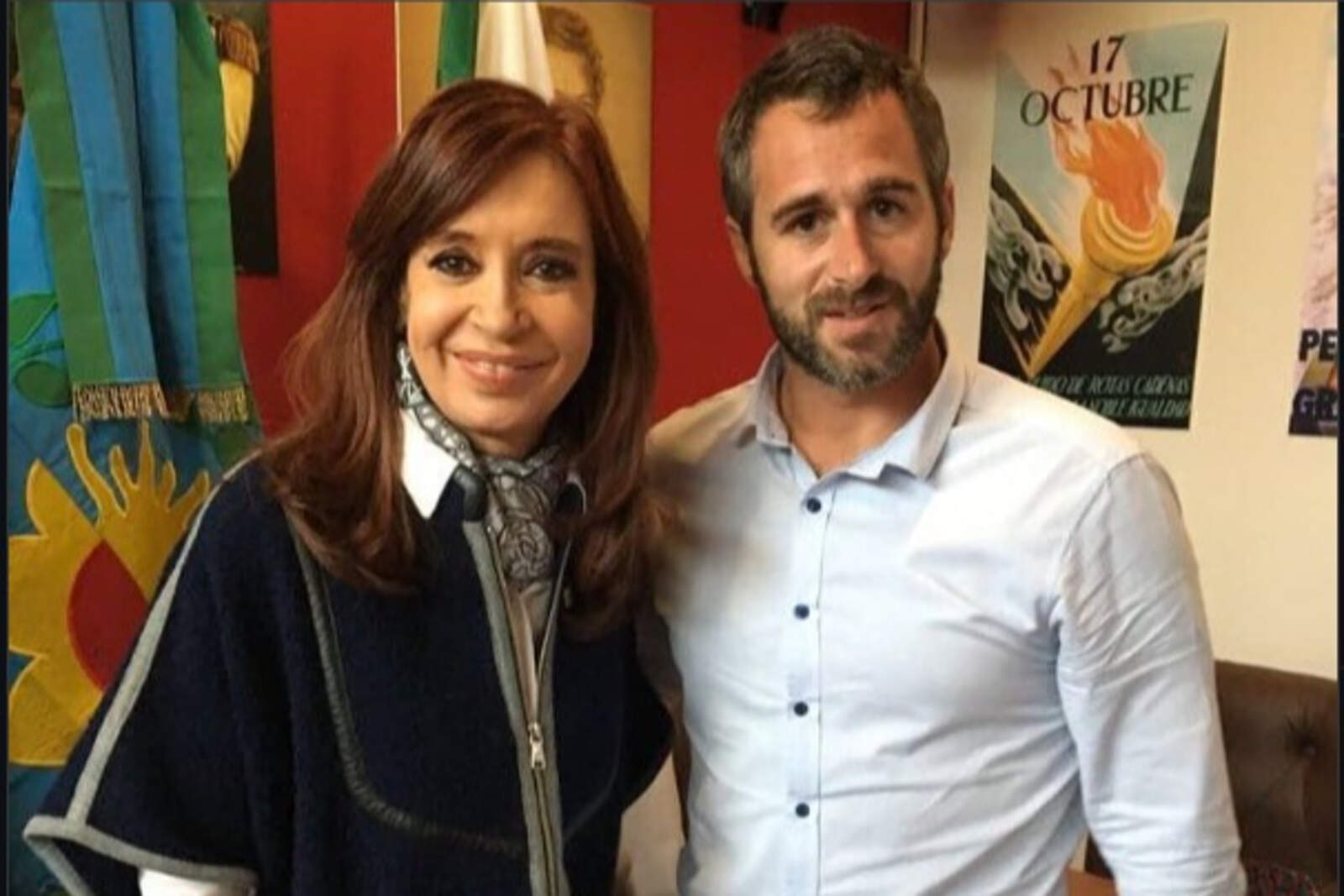
The national government's reaction was swift. The Minister of Economy, Luis Caputo, questioned the municipality's decision and contrasted Achával's policy with the national direction: meanwhile, La Libertad Avanza is working to reduce taxes and improve competitiveness, Kirchnerist mayors insist on raising taxes "as if nothing happened". On social media, he was even more direct: They'll never learn. They don't care about the people. Federico Achaval
Pilar's case adds to a wave of municipal increases in Greater Buenos Aires and other provinces, in a context where several districts are seeking to offset the real drop in revenue with tax hikes. In Berazategui, for example, the new tax ordinance set increases of up to 80% in ABL and business licenses. In Quilmes and Lanús, increases average between 40% and 45%. In Lomas de Zamora, business owners warned that the effective increase could even reach 200% for some taxpayers.
In contrast, the national government has reiterated that tax pressure is one of the main obstacles to growth and that its strategy is to dismantle distortionary taxes, not multiply them. Pilar's decision goes exactly in the opposite direction: higher costs, more bureaucracy, and higher prices for residents.
In the midst of the Christmas shopping season, Kirchnerist mayor of Pilar, Federico Achával, decided to move forward with a new tax hike that will directly impact the wallets of all consumers who shop at supermarkets and hypermarkets in the district. Since December 1, a 2% Environmental Protection Fee applied to each transaction has been in effect, replacing the module system that until November meant a fixed charge that had reached just $69.
The change was introduced through Fiscal Ordinance 2026, whose Article 66º establishes that the taxable base will now be the amount of each transaction, net of VAT, while the Tax Law sets the rate at 2%. In practical terms, every receipt issued by a supermarket in Pilar must add that percentage, automatically making all products more expensive with no possibility for companies to absorb the cost. Federico Achaval
Tax expert César Litvin explained it bluntly: anyone who shops in Pilar will pay directly 2% more, since businesses have no margin to avoid passing the cost on to the consumer. A chain consulted acknowledged that there is "no other alternative" but to fully apply the increase.