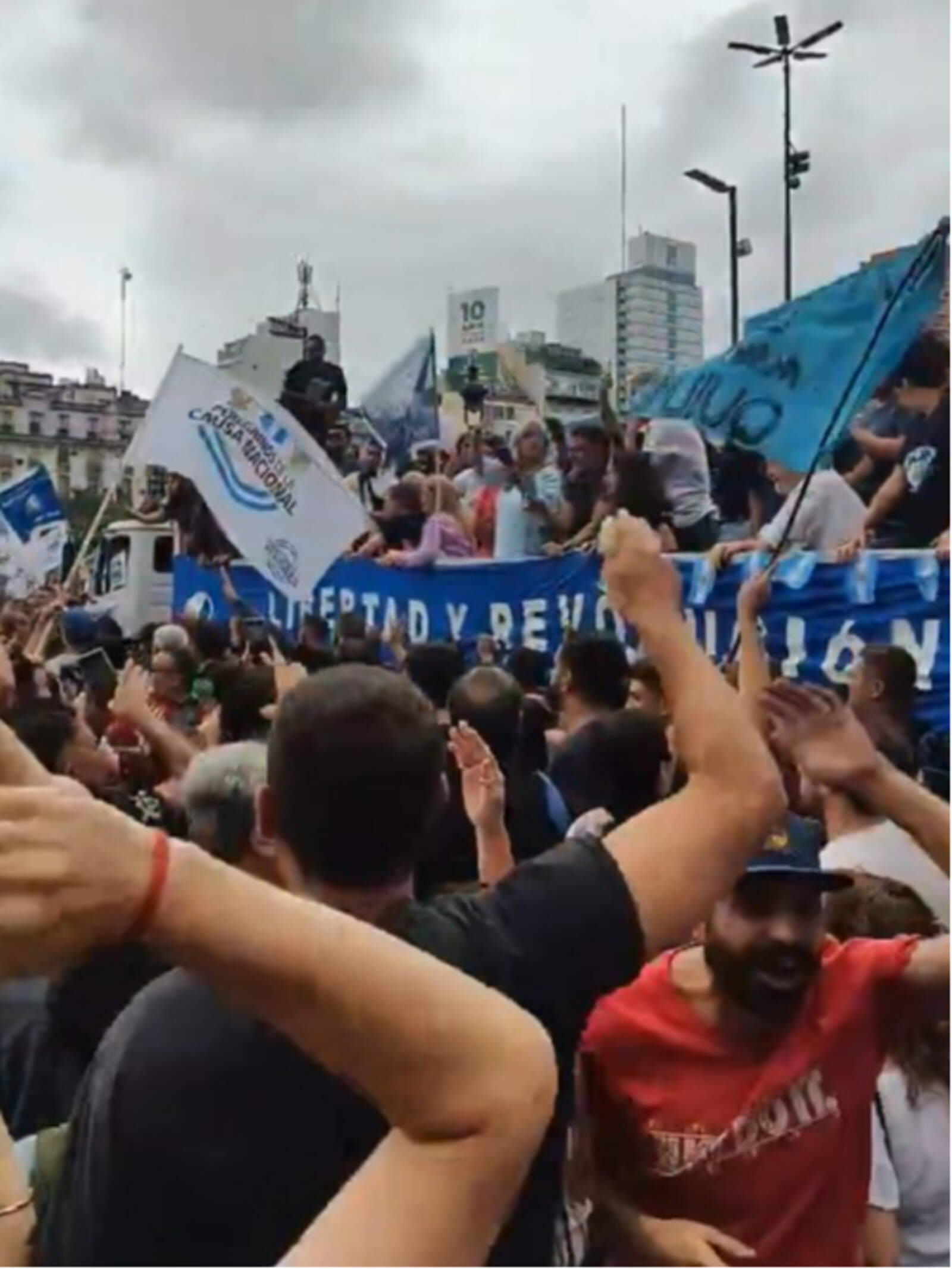
This Monday, he visited the headquarters of Mothers of Plaza de Mayo and then traveled with them by van to Plaza de Mayo, where the columns of the Future Rights Movement, the group created to sustain his presidential project, gathered.
Among those present were the mayor of Avellaneda, Jorge Ferraresi, the president of Banco Provincia, Juan Cuattromo, and the organization La Patria es el Otro, led by Andrés Larroque.
During the initial Kirchnerist march on March 24, Máximo Kirchner walked along Del Libertador Avenue with mayors who report directly to him, such as Mayra Mendoza (Quilmes) and Julián Álvarez (Lanús), as well as others close to him like Federico Otermin (Lomas de Zamora), Mariel Fernández (Moreno), and Gustavo Menéndez (Merlo).
He was also accompanied by leaders who have strengthened ties with Kirchnerism, including Gastón Granados (Ezeiza) and Federico Achaval (Pilar). The presence of Emilio Pérsico, the leader of the Evita Movement, did not go unnoticed either.
That image was not accidental for the head of La Cámpora: Pérsico has become a key ally in the strategy to weaken the territorial control of the mayor of La Matanza, Fernando Espinoza, who openly sides with Axel Kicillof in the Peronist internal.
In fact, from La Plata, they present Vice Governor Verónica Magario as an essential figure of Axelism. In this context, the historic PJ stronghold in the suburbs could become the epicenter of the Kirchnerist dispute in this election year.
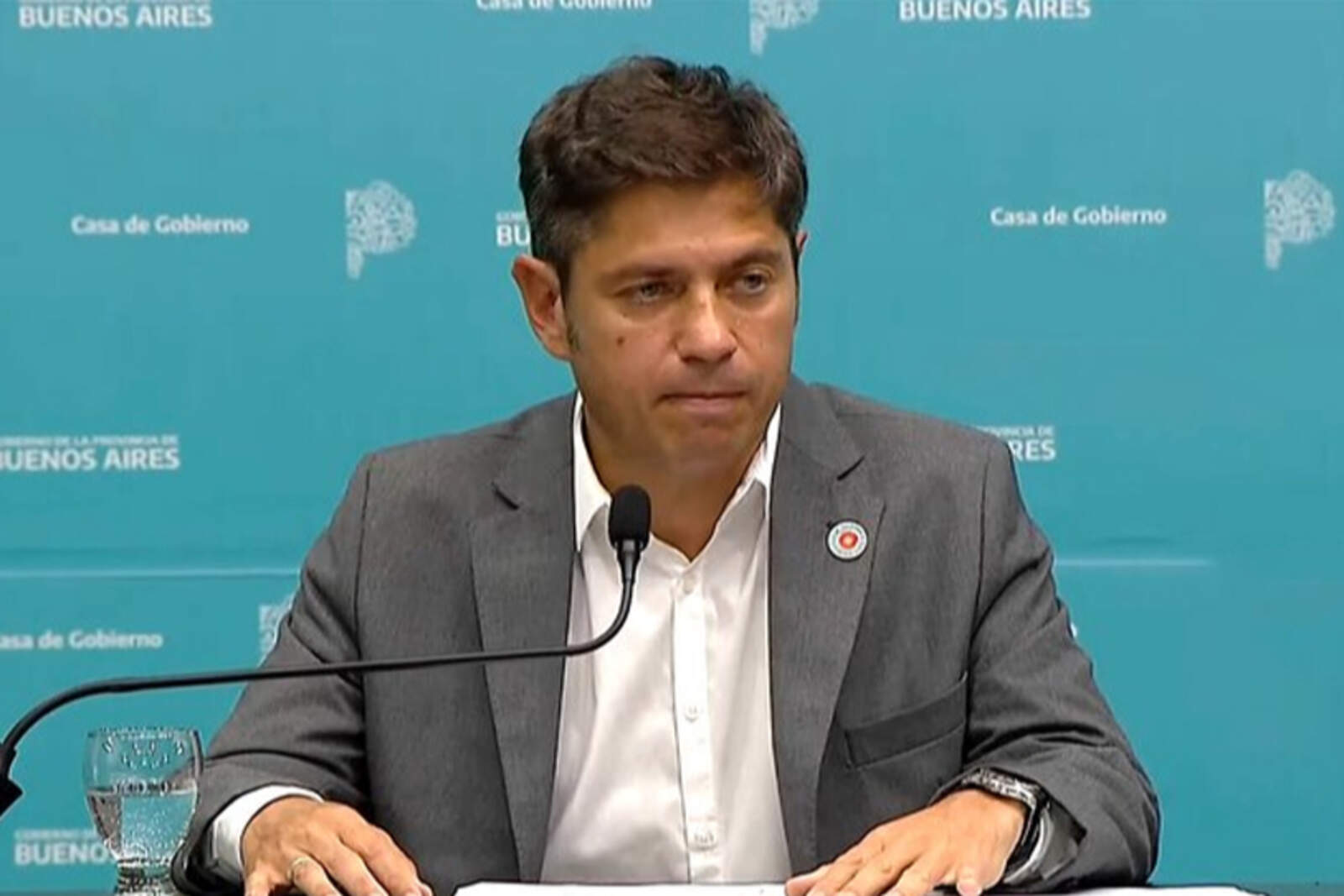
Axel Kicillof, gobernador bonaerense.
Later, in the Kirchnerist demonstration, Governor Axel Kicillof and the officials and mayors who challenge the leadership of Cristina Kirchner's son within the Buenos Aires PJ joined. This way, Peronism brought its internal dispute to the mobilization.
Kicillof seems determined to continue the confrontation for leadership in the Buenos Aires PJ, which puts him in conflict with both Máximo Kirchner and Cristina.
Axel Kicillof en la marcha.
Some leaders aligned with Axelism, such as the Minister of Public Works of the province of Buenos Aires, Gabriel Katopodis, organized the mobilization from their municipalities, in his case San Martín, and traveled by train to the city of Buenos Aires.
The chants against Kicillof
In this context, the tensions between the different factions of Peronism were evident and became apparent. When crossing paths with Kicillof, activists from Principles and Values, the party of Guillermo Moreno, chanted against the Buenos Aires governor and against Cristina Kirchner.
Militantes de Moreno increpando a Kicillof.
"Listen to it, listen to it, listen to it, it's not with Cristina, nor Kicillof, it's with Moreno the b**** that bore you," the Moreno activists were heard chanting as Kicillof passed in front of them.
Meanwhile, around Plaza de Mayo, Pablo Moyano reappeared, one of the few leaders who do not align with the Buenos Aires PJ internal.