The far-left governor demanded, as a central condition, an almost unanimous endorsement of his administration
Compartir:
The governor of the province of Buenos Aires, Axel Kicillof, will be the new president of the Buenos Aires Justicialist Party after sealing a political agreement with Kirchnerism that prevented an unprecedented internal party contest.
The decision was reached after intense negotiations, in which the provincial leader demanded as a central condition an almost unanimous endorsement of his administration.
The leadership structure was finalized between Friday night and Saturday morning. Lieutenant Governor Verónica Magario will hold the party's first vice presidency, while the mayor of Lomas de Zamora, Federico Otermín, will be second vice president.
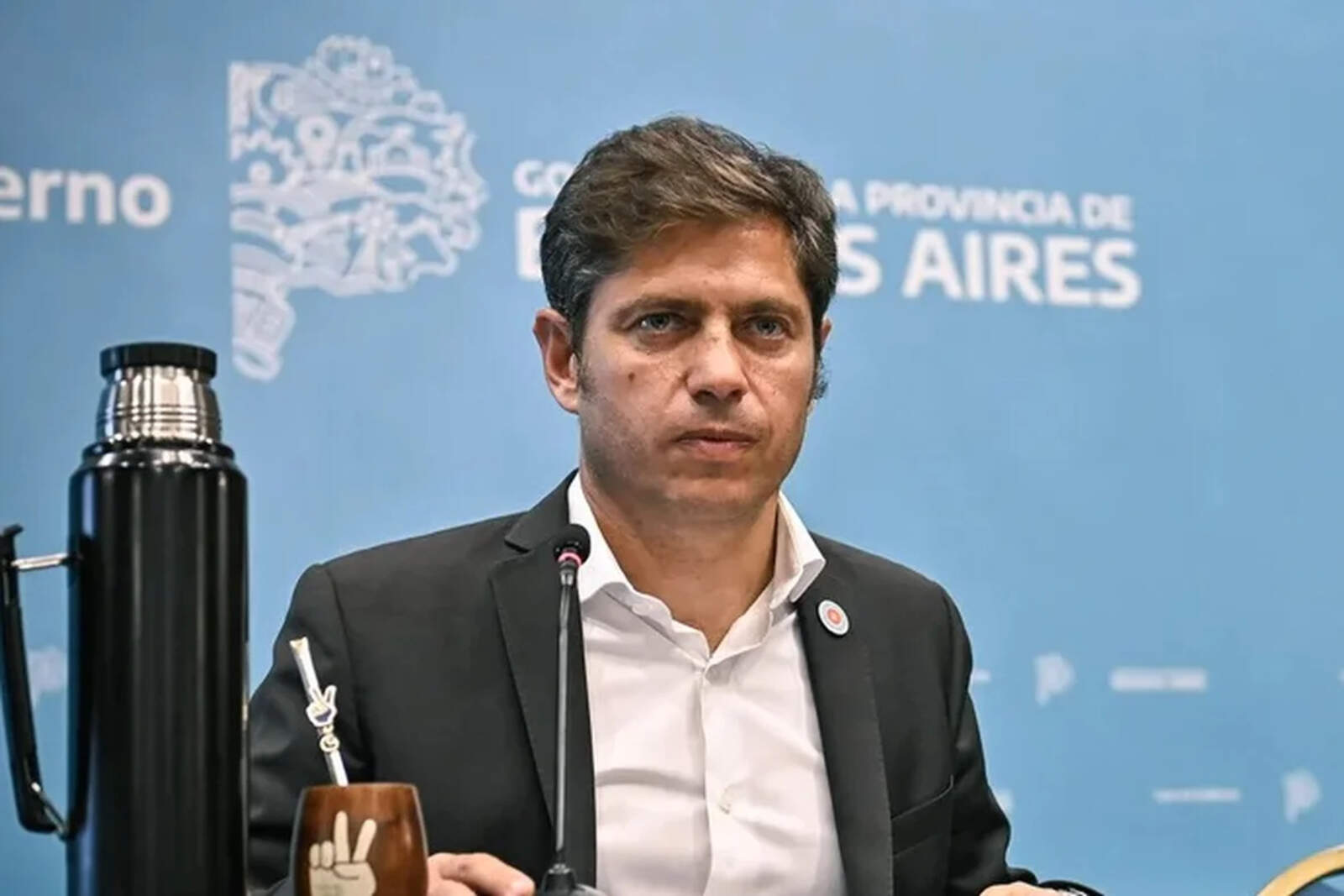
Axel Kicillof, gobernador bonaerense.
The position of secretary general will remain in the hands of the provincial deputy and mayor on leave of absence from Almirante Brown, Mariano Cascallares. Meanwhile, Máximo Kirchner will assume the presidency of the party Congress and the mayor of Malvinas Argentinas, Leonardo Nardini, will remain at the head of the party Board.
The renewal of authorities had been called for March 15 by Máximo Kirchner himself, who until now chaired the Buenos Aires PJ. Since then, the internal dispute between the sector aligned with Cristina Kirchner and the faction that answers to Kicillof opened different scenarios, including the possibility of an internal election whose outcome was uncertain.
In the run-up to the final negotiations, sources from Kirchnerism let it be known that Máximo Kirchner would offer the governor to assume the party leadership in order to avoid an unprecedented internal dispute. According to sources close to La Cámpora, it was former president Cristina Kirchner who ordered an end to the internal discussion and to move forward with a unity framework, even if that meant giving up the presidency of the PJ to the Buenos Aires governor.
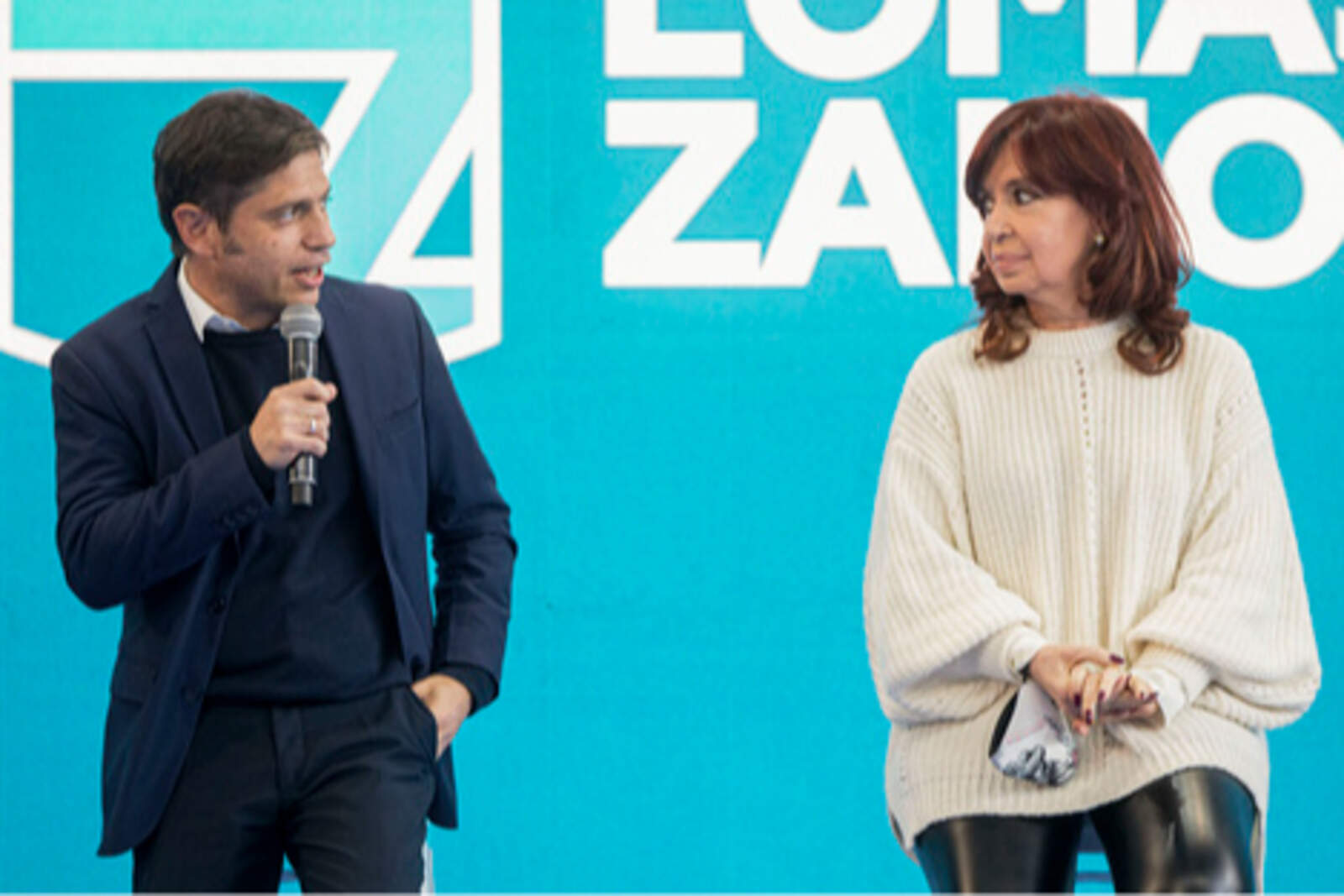
Cristina Fernández de Kirchner junto a Axel Kicillof.
Between this Saturday and Sunday the composition of the party Council will be finalized, which will be formally endorsed on Sunday. In parallel with the negotiations, Kicillof's faction moved forward with the formation of its own slates as a safeguard strategy in case the agreement failed.
The necessary logistics to compete were even defined, in a process similar to the one that had been deployed during last year's September provincial election, when the Movimiento Derecho al Futuro (MDF) presented its own slates for the Buenos Aires Legislature, although that plan was later deactivated.