The ultra-Kirchnerist governor Axel Kicillof will move forward with a tax reform to apply the Gross Income tax to financial entities in the province of Buenos Aires that operate with national Treasury instruments, establishing a 9% rate for those transactions, the highest for the activity in the entire country. Meanwhile, the regulation preserves the exemption for securities issued by the Province itself and by other subnational districts.
The measure is part of the Tax Code bill sent by Governor Kicillof to the Buenos Aires Legislature, which proposes to amend Article 207, subsection c) of the Tax Code.
Currently, that article provides for the exemption of the tax for "all transactions involving securities, notes, bonds, obligations, and other papers issued and to be issued in the future by the Nation, the provinces, the Autonomous City of Buenos Aires, and the municipalities, as well as the income produced by them."
Javier Milei y Axel Kicillof.
However, the reform proposed by the provincial Executive specifically eliminates the benefit for Javier Milei's Government securities. The text incorporates a key addition by stating: "Financial entities are also not covered by the exemption" when it comes to transactions with securities "issued and/or to be issued in the future by the Nation, their income and/or monetary stabilization or adjustment mechanisms." In that change, any reference to issuances by the City of Buenos Aires or other provincial jurisdictions disappears from the wording.
Thus, Buenos Aires reinstates the tax burden solely on financial instruments issued by the National Ministry of Economy, while maintaining the exemption for its own issuances or those of any other provincial government. The scheme excludes brokers and intermediaries from the tax obligation, who will continue to operate under the previous regime.
The initiative arises in a context in which the banking sector has been questioning the tax pressure from the Kirchnerist government that falls on its activity. Financial entities argue that each new tax directly impacts their cost structure and that, as a consequence, "it ends up making credit more expensive for families and companies."
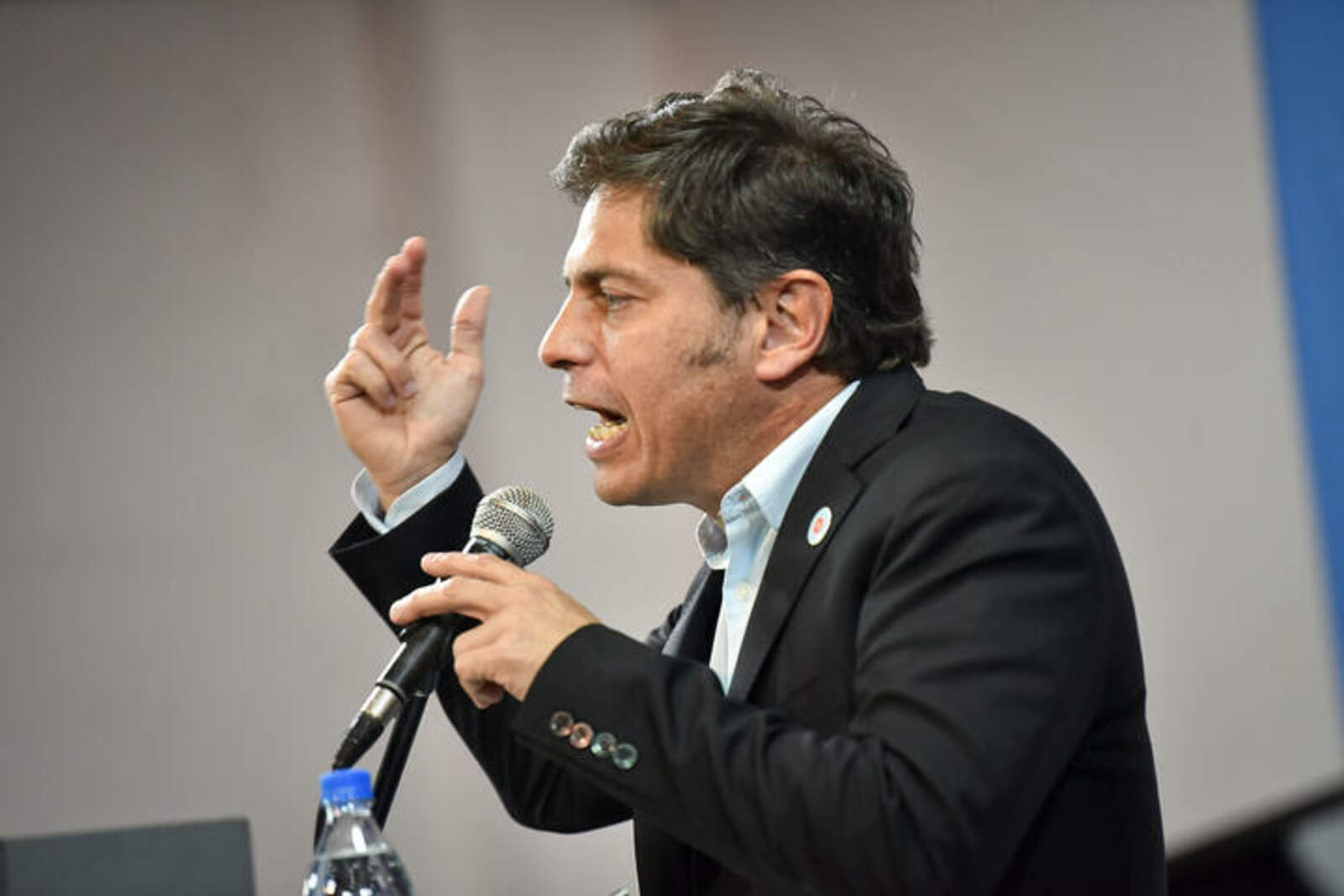
Axel Kicillof, gobernador bonaerense.
The Province, nevertheless, confirms that it will apply a 9% rate to these transactions, the highest in the entire country. That percentage, in addition to Buenos Aires, is only matched by Tucumán, Neuquén, Entre Ríos, Río Negro, La Pampa, Chubut, Catamarca, and La Rioja.
The discussion is taking place in parallel to a decisive parliamentary negotiation. The Buenos Aires administration has already obtained a committee report and seeks to approve in the same session the amended Tax Law, the 2026 Budget, and an authorization to take on new debt of up to USD 3 billion.
To move forward with the tax change, the ruling party requires a simple majority; in contrast, to enable borrowing, it needs the support of two-thirds of the legislators present. According to reports, consideration in both chambers is scheduled for today.