This way, Federal Oral Court No. 4 began to enforce the 4-year prison sentence against the former K official
Compartir:
Former Kirchnerist Minister of Federal Planning, Julio De Vido, was arrested at 8 a.m. this Thursday at the Comodoro Py courts after appearing there to make himself available to the judiciary, following the Supreme Court's confirmation of his conviction for the Once railway tragedy.
With this decision, Federal Oral Court No. 4 began to enforce the four-year prison sentence that the former official of the corrupt former president Cristina Kirchner must serve after being found guilty of the crime of fraudulent administration. De Vido is scheduled to be transferred in the afternoon to the Ezeiza prison, where he will undergo routine medical examinations.
Around 10 a.m., the former K minister and the other 86 defendants in the Cuadernos case participated virtually in the second hearing of the trial. For this purpose, the judges provided a private room with internet access. The transfer to the Central Prison Hospital will take place once the hearing is over.
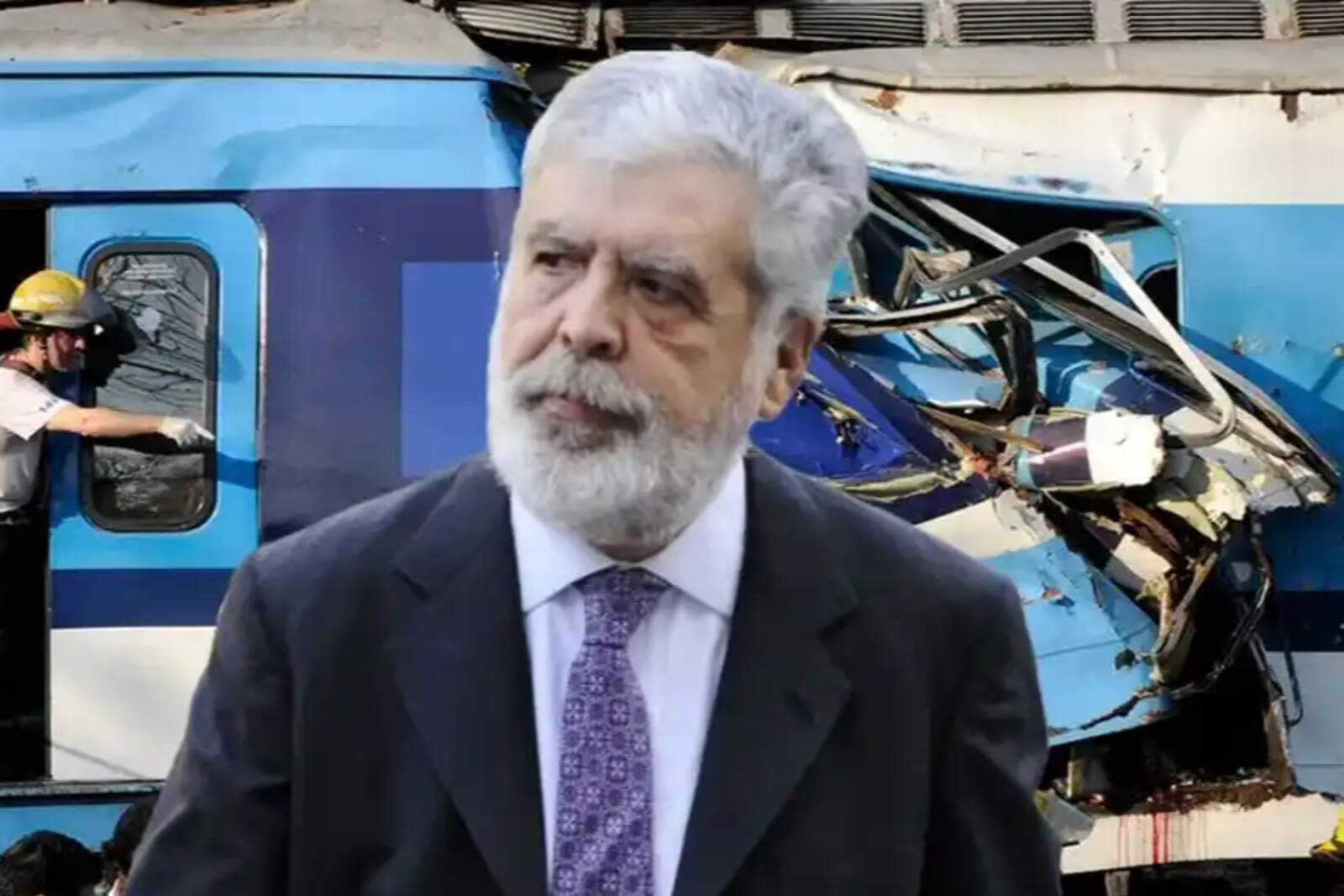
El exministro kirchnerista de Planificación Federal, Julio De Vido
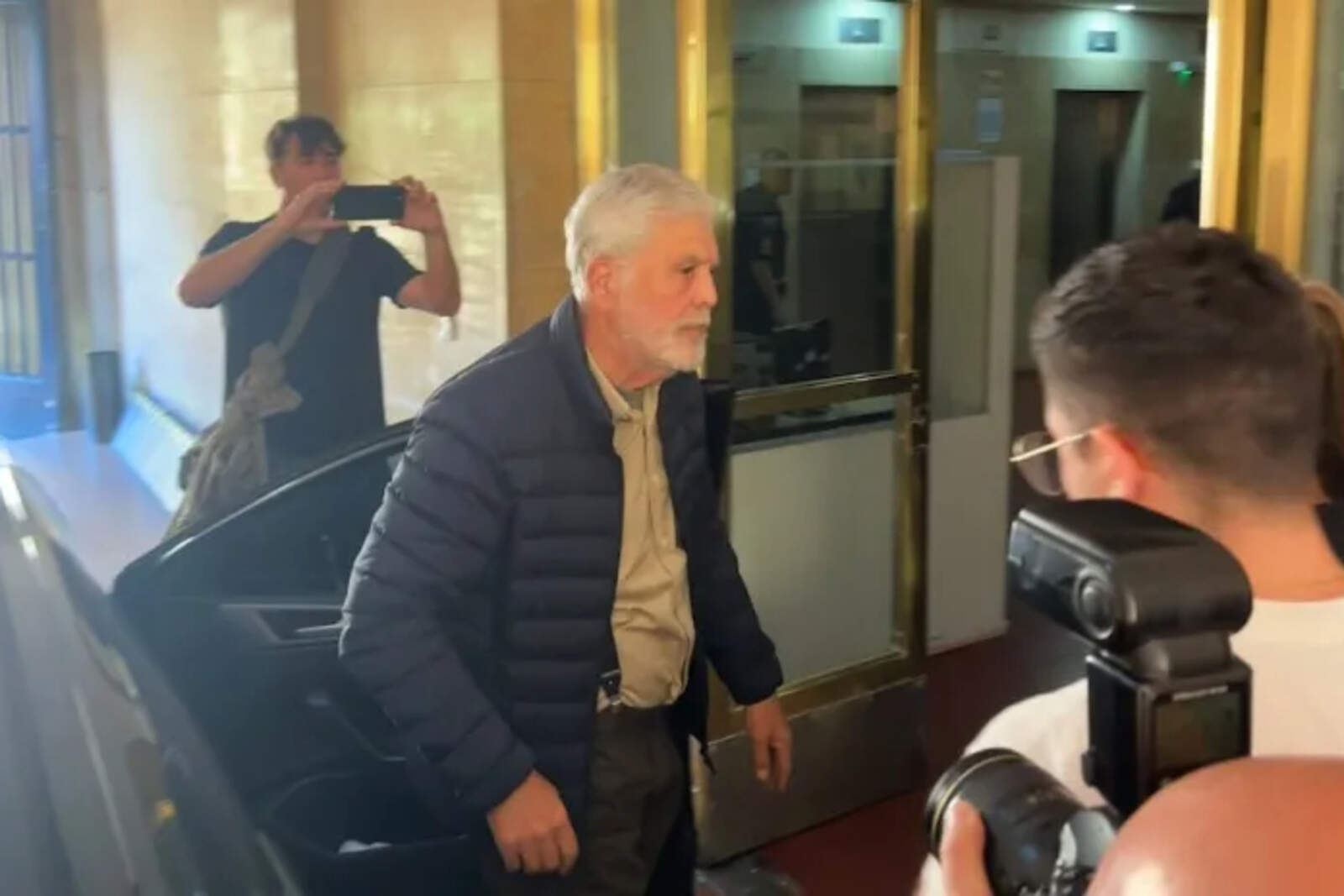
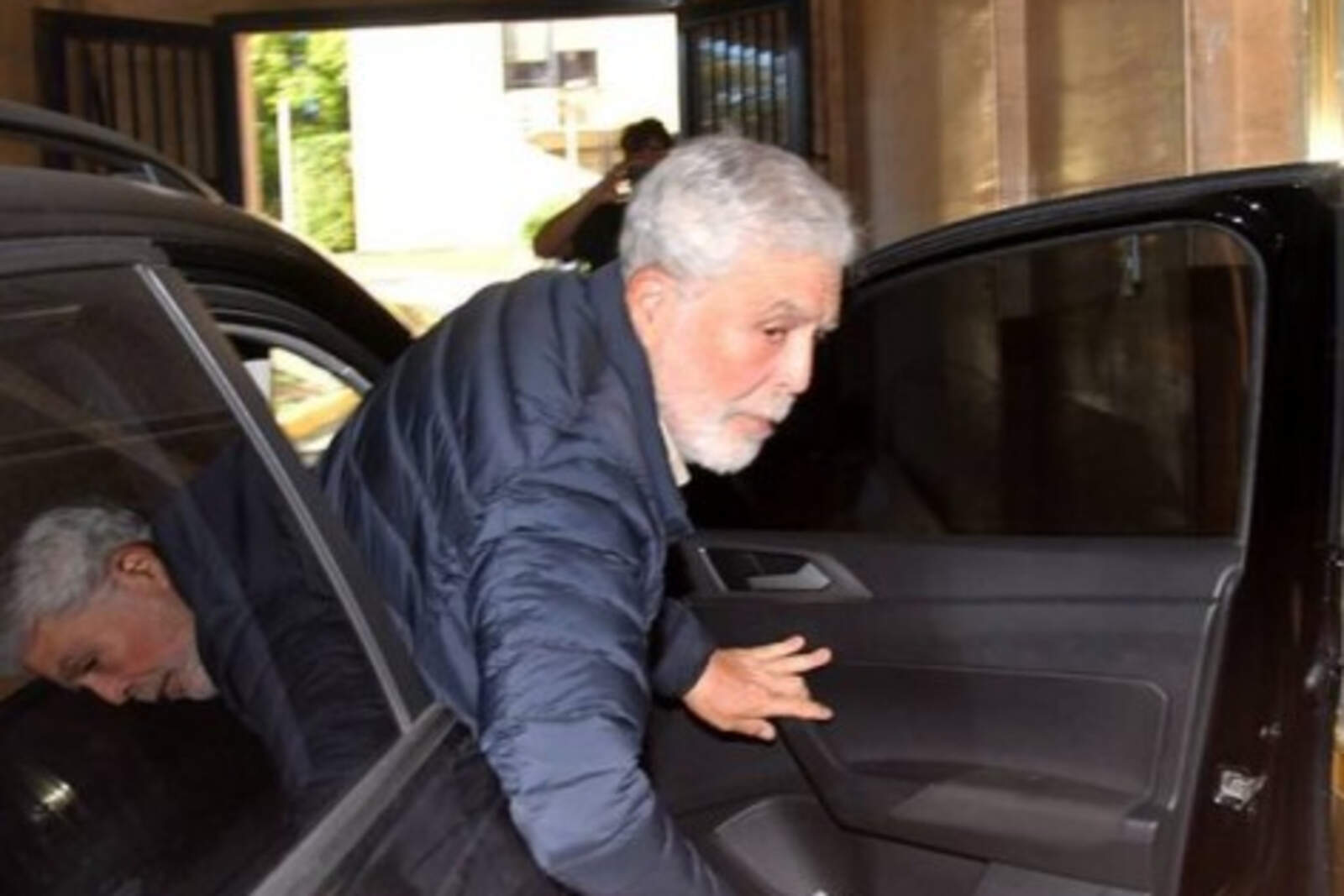
Under a heavy operation by the Argentine Federal Police, De Vido entered the Retiro courts aboard a black Volkswagen Nivus van. He got out at the building's underground entrance, an area out of reach of the television cameras that had been waiting for his arrival since the early hours of the day.
Together with his defense attorney, Maximiliano Rusconi, he went up to the sixth floor, where Federal Oral Court No. 4 operates. There, judges Néstor Costabel and Ricardo Basílico awaited him. The third member of the court, Fernando Canero, followed the execution of the sentence from TOF No. 7, located in the Palace of Justice, where minutes later he resumed his participation in the bribery notebooks trial.
El exministro kirchnerista de Planificación Federal, Julio De Vido
De Vido's conviction
De Vido received a four-year prison sentence for fraudulent administration, after it was proven that he did not adequately supervise the use of public funds allocated to the company Trenes de Buenos Aires (TBA). In addition, he was sanctioned with permanent disqualification from holding public office. On the other hand, the judges acquitted him of the crime of negligent disaster.
The Once tragedy, which occurred on February 22, 2012, resulted in 52 fatalities and more than 700 injured. Last Tuesday, the Supreme Court of Justice rejected the appeals filed against the conviction. The former minister was seeking acquittal, arguing that the case should be considered time-barred, while the Public Prosecutor's Office was seeking an increase in the sentence.