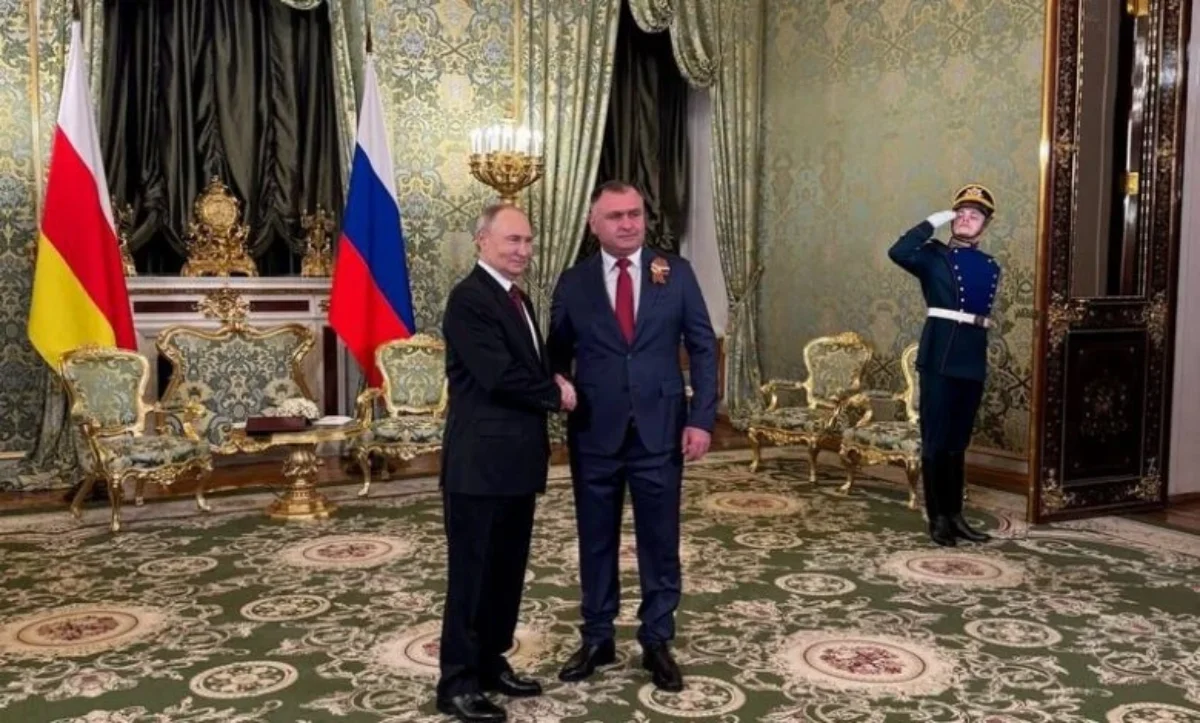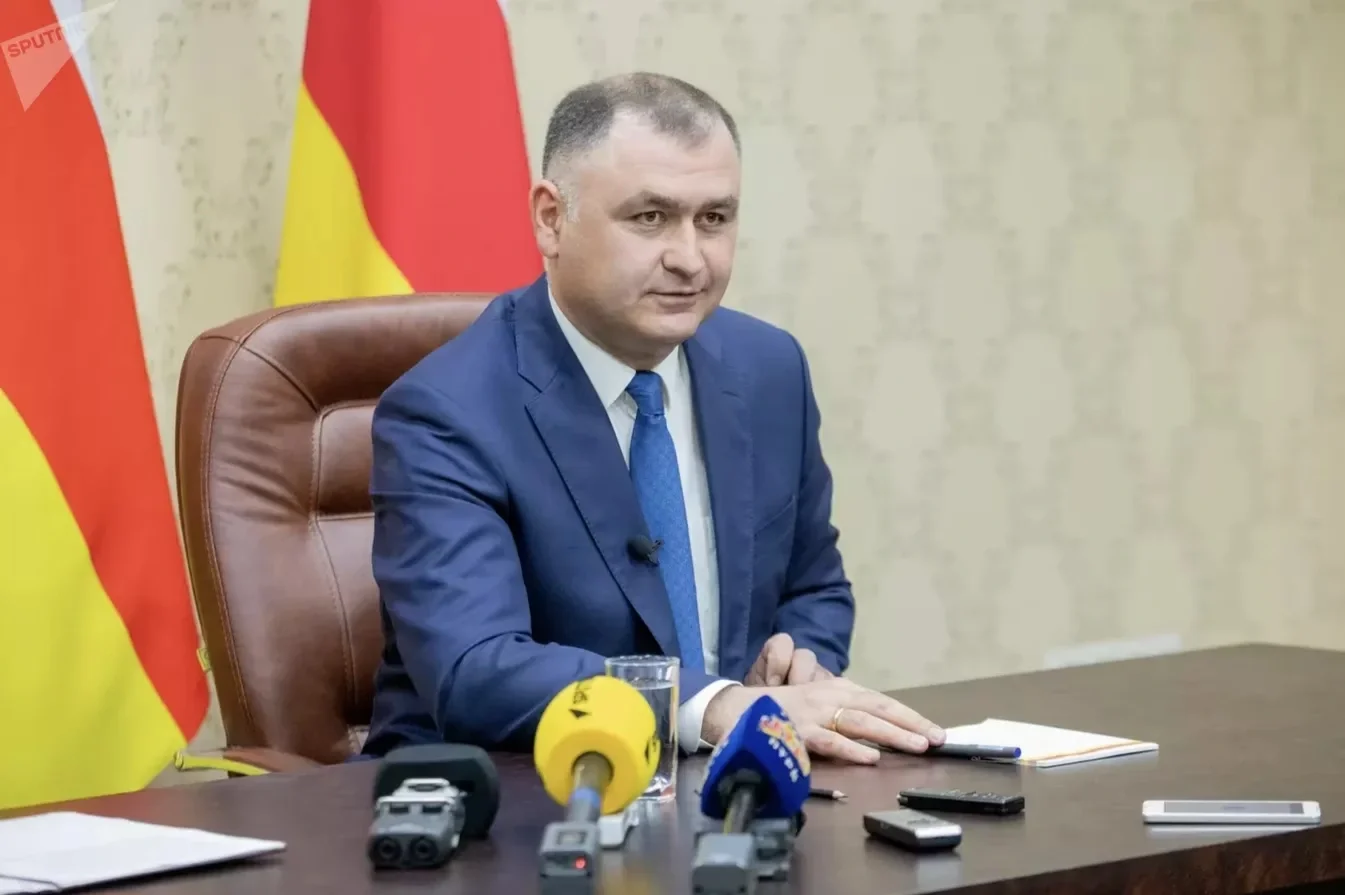









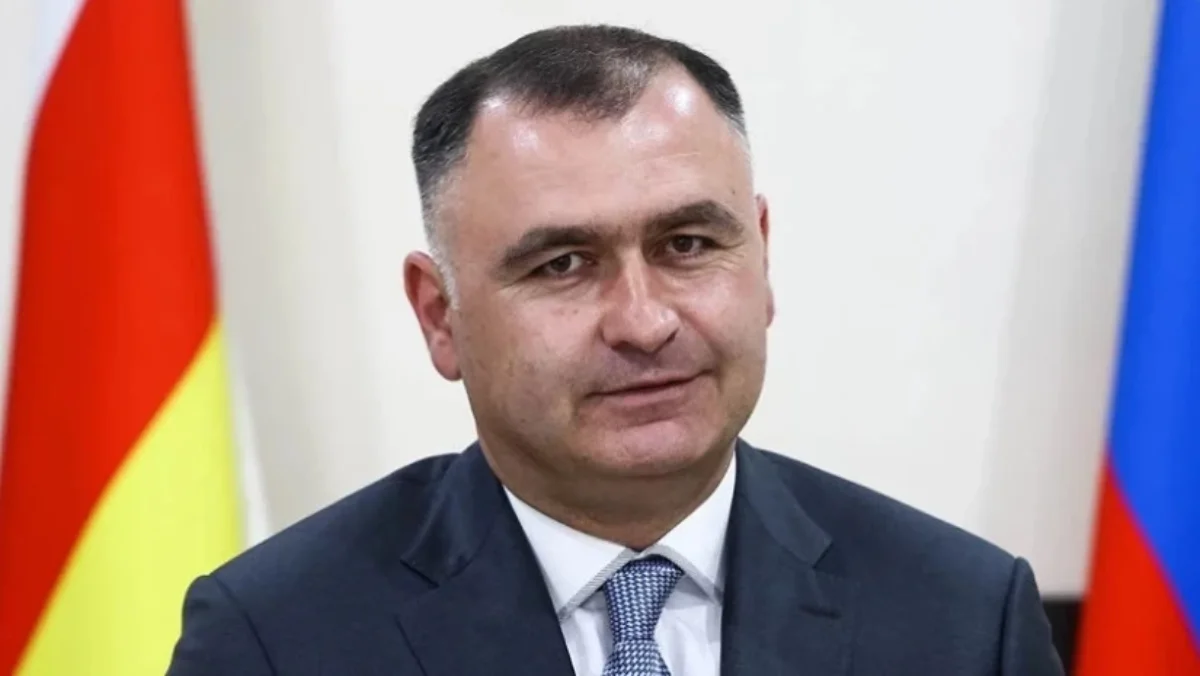
The leader of South Ossetia, a separatist region of Georgia backed by Russia, announced his resignation from the presidential position to join the administration of Russian President Vladimir Putin as an advisor. Alan Gagloyev stated that he will leave his duties immediately and hand over power to the region's prime minister, in a move that reinforces Moscow's influence over the small Caucasus territory.
In a statement published on the official website of the South Ossetian government, Gagloyev explained that his new position within the Russian presidential administration will be linked to the implementation of a treaty signed between both parties last year. According to the leader, this agreement will allow for the acceleration of what he described as the ''longed-for dream'' of the local population: the definitive incorporation of South Ossetia into the Russian Federation.
The departure of the leader comes as speculation grows about the political future of the region, whose independence is recognized by Russia and a few international allies, but rejected by Georgia and most of the international community. For Tbilisi, South Ossetia remains an integral part of its territory.
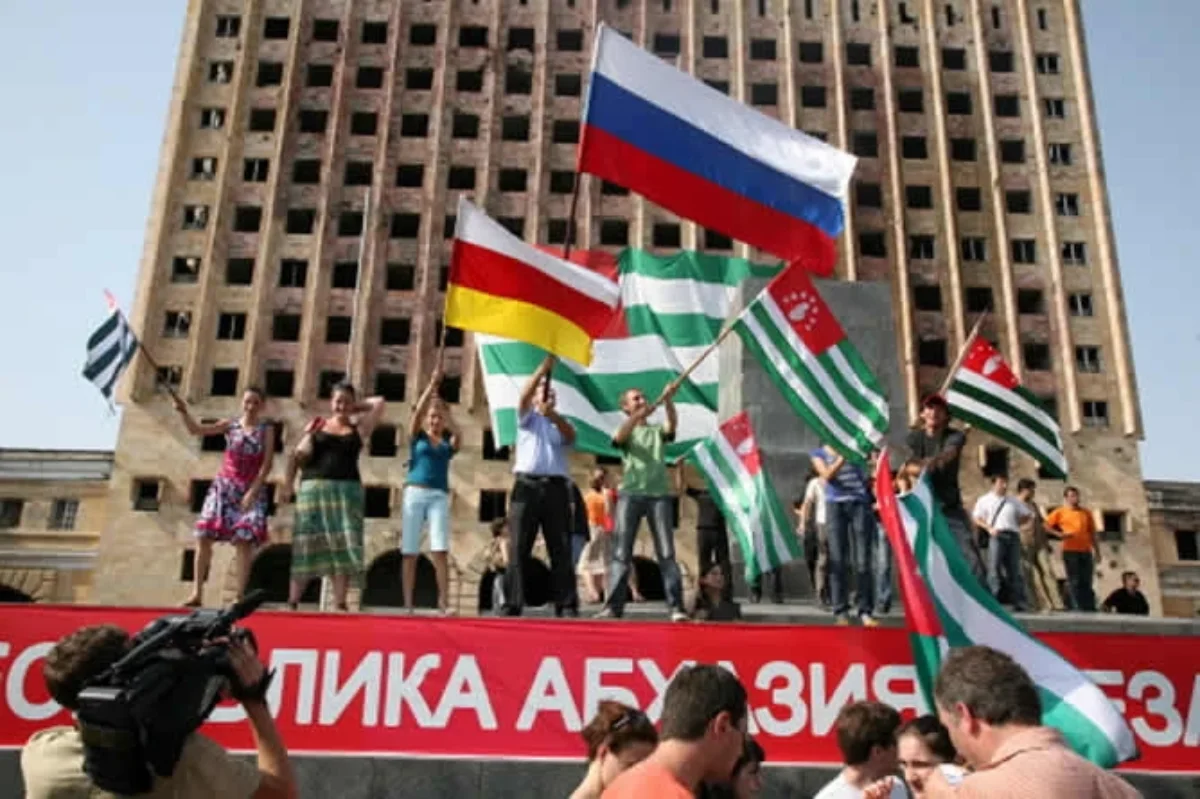
South Ossetia, with an approximate population of 50,000 inhabitants, separated from Georgia during the conflicts that arose after the dissolution of the Soviet Union in the early 1990s. During that period, local separatist groups declared their de facto independence, initiating a territorial dispute that continues to this day.
Since then, the region has largely depended on Russian support in political, economic, and military matters. Moscow has maintained a significant presence in the territory and has supported its separatist authorities, turning South Ossetia into one of the main points of tension between Russia and Georgia.