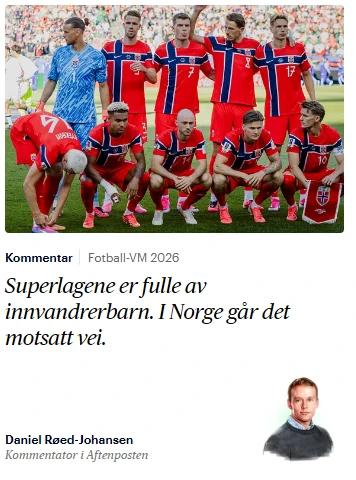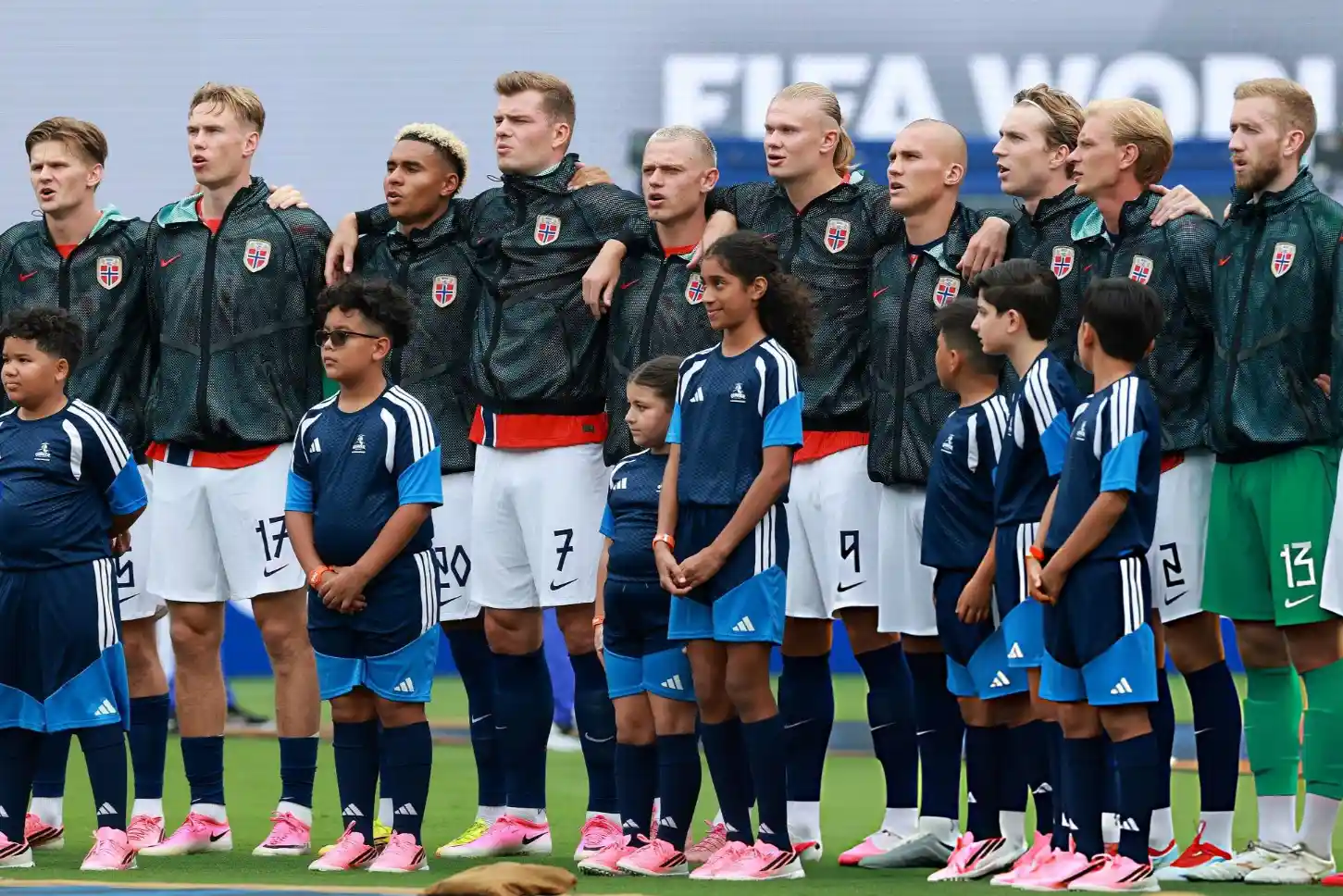











Paradoxically, the article itself acknowledges that there are already several members of the squad with foreign ancestry, such as Antonio Nusa, son of a Norwegian mother and a Nigerian father, or Oscar Bobb, with a Norwegian mother and a Gambian father. Still, the focus of the publication remains that Norwegian football should produce more players from certain social and migratory backgrounds.
The article also highlights that many members of the national team come from families with a good economic standing, suggesting that access to football may be conditioned by social circumstances. That could indeed be a valid debate in terms of opportunities, but it is different from claiming that a national team needs to meet a certain ethnic or migratory composition to be competitive.
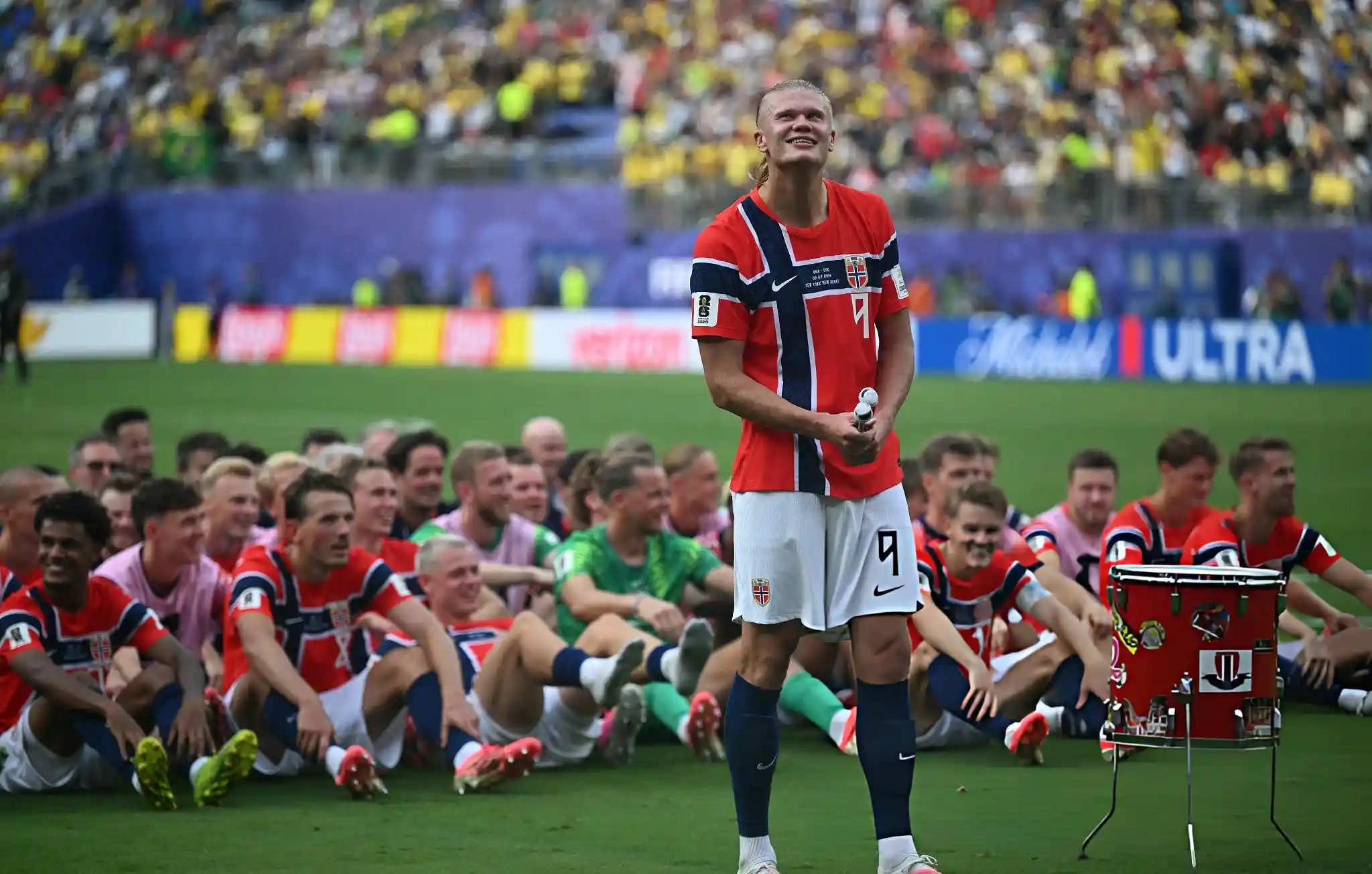
The victory against Brazil ended up reinforcing that idea. There is no single formula for building a competitive team: some countries produce talent from large cities, others from small towns; some have more diverse squads while others have more homogeneous teams. What ultimately makes the difference remains the quality of the players and the collective performance on the field, not the fulfillment of identity quotas.