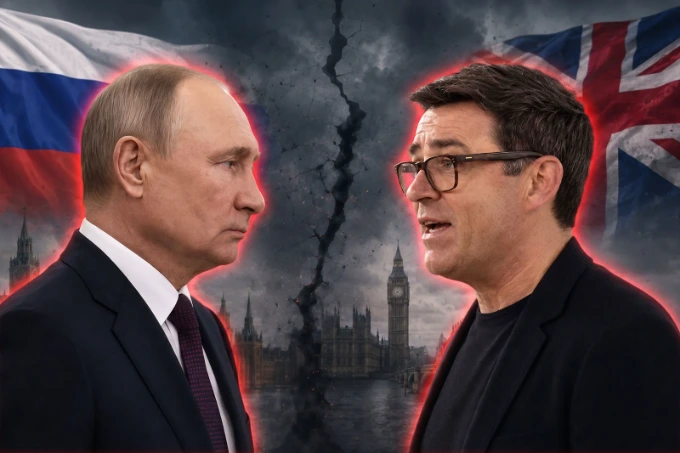

Russia recalled its ambassador to the United Kingdom, Andrei Kelin, without immediately appointing a successor, in a new sign of the deep deterioration of relations between Moscow and London. Although the Russian diplomatic representation insists that the measure does not constitute a formal downgrade of the level of bilateral relations, the absence of a new ambassador adds pressure to a relationship marked by the war in Ukraine, sanctions, expulsions of diplomats, and increasing confrontations between both governments.
Kelin left his position on July 21 after more than seven years as the Russian ambassador in London. His departure was confirmed when his name disappeared from the official website of the Russian embassy. Moscow has yet to appoint a replacement, a situation that has raised questions in the United Kingdom about the true political significance of the decision.
The Russian embassy rejected the interpretation that the measure implies a diplomatic downgrade. A spokesperson emphasized that Kelin made significant efforts to preserve contacts and communication channels with British authorities. However, at the same time, he accused the British government of choosing a ''path of confrontation'' with Moscow.
The Russian representation also stated that the ambassador left the United Kingdom with the expectation that, eventually, a more constructive and respectful exchange could be restored. In a message later published on Telegram, the embassy reiterated that Kelin's withdrawal ''in no way'' signifies a reduction in the level of diplomatic relations, although it acknowledged that bilateral ties are at ''an exceptionally low level''.
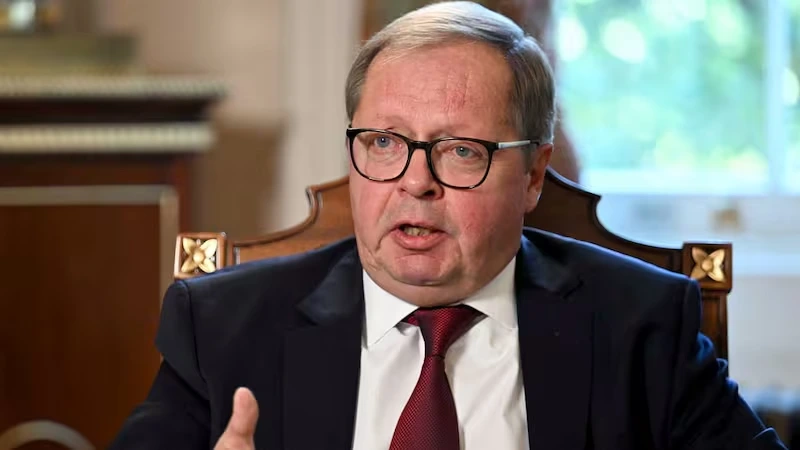
While Moscow decides if and when it will appoint a new ambassador, the diplomatic mission is currently led by chargé d'affaires Vasili Tsiganov. The absence of a high-ranking representative can be interpreted as a political pressure tool: it allows Russia to express its discontent with London without formally breaking relations or closing its diplomatic channels.
The decision comes at a time of tension due to British support for Ukraine. Russia considers the United Kingdom one of the European countries most committed to military and political support for the Kiev government. The Kremlin has repeatedly accused London of promoting the continuity of Western assistance to Ukraine and of trying to prevent other European governments from reducing their support for that country.