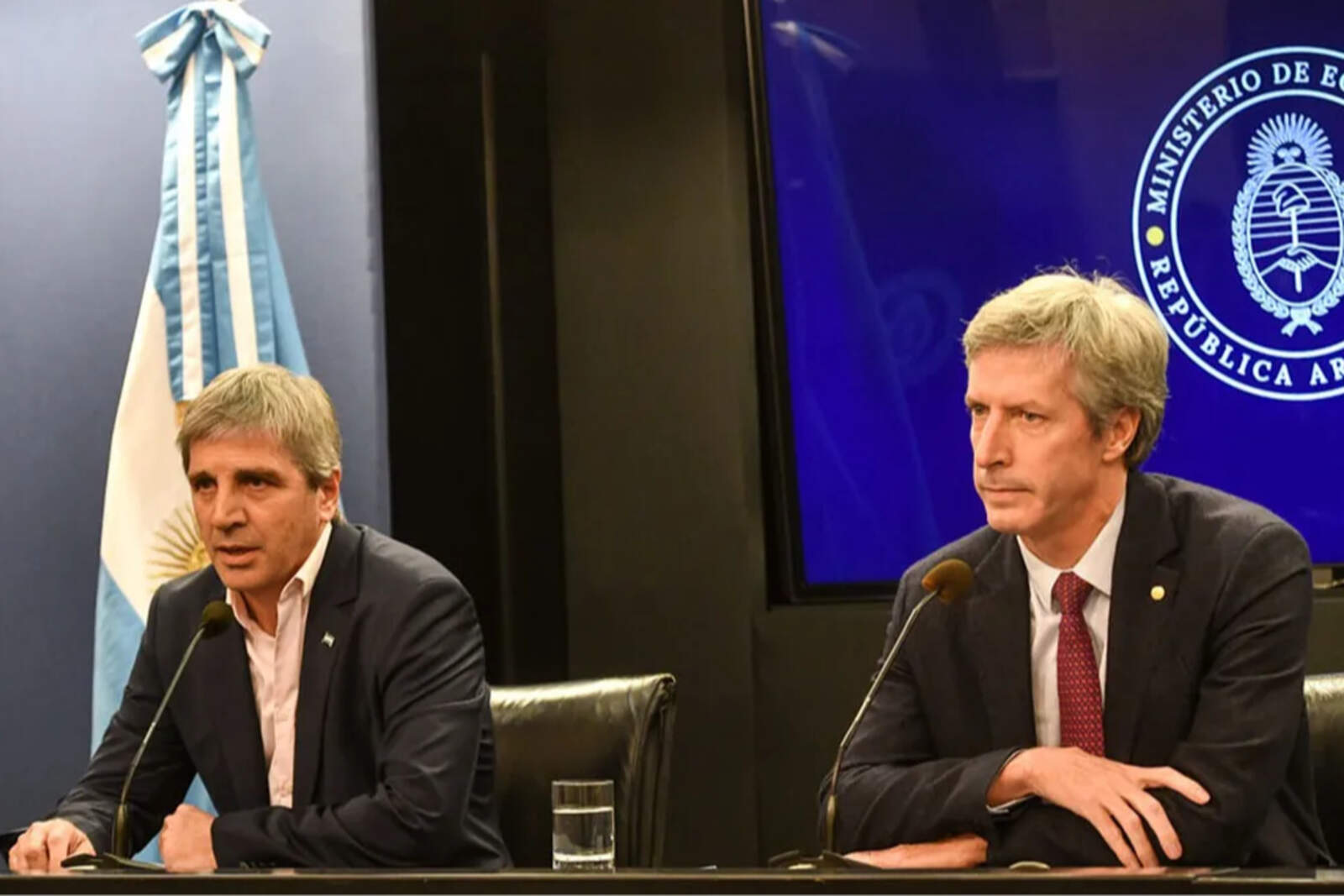
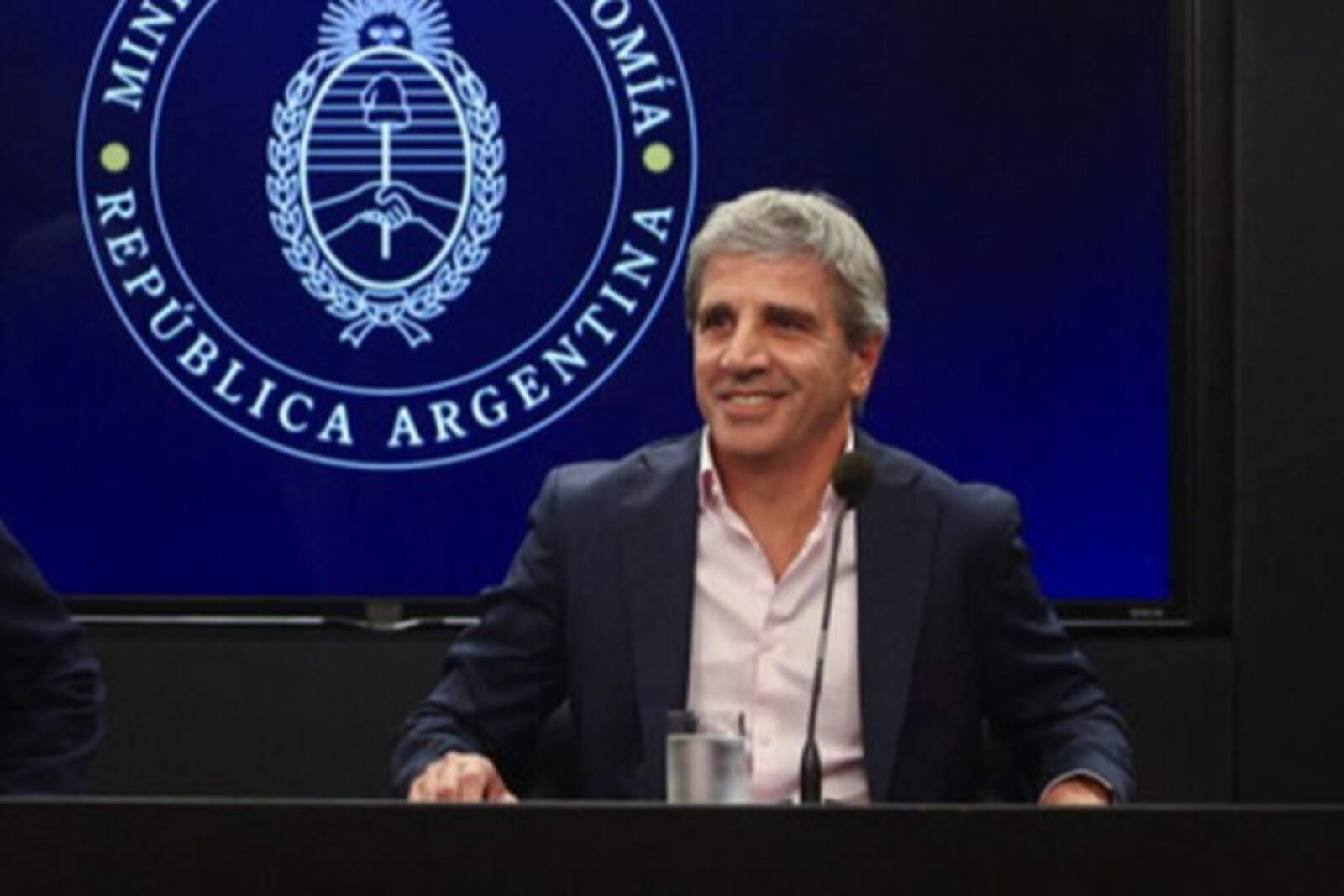
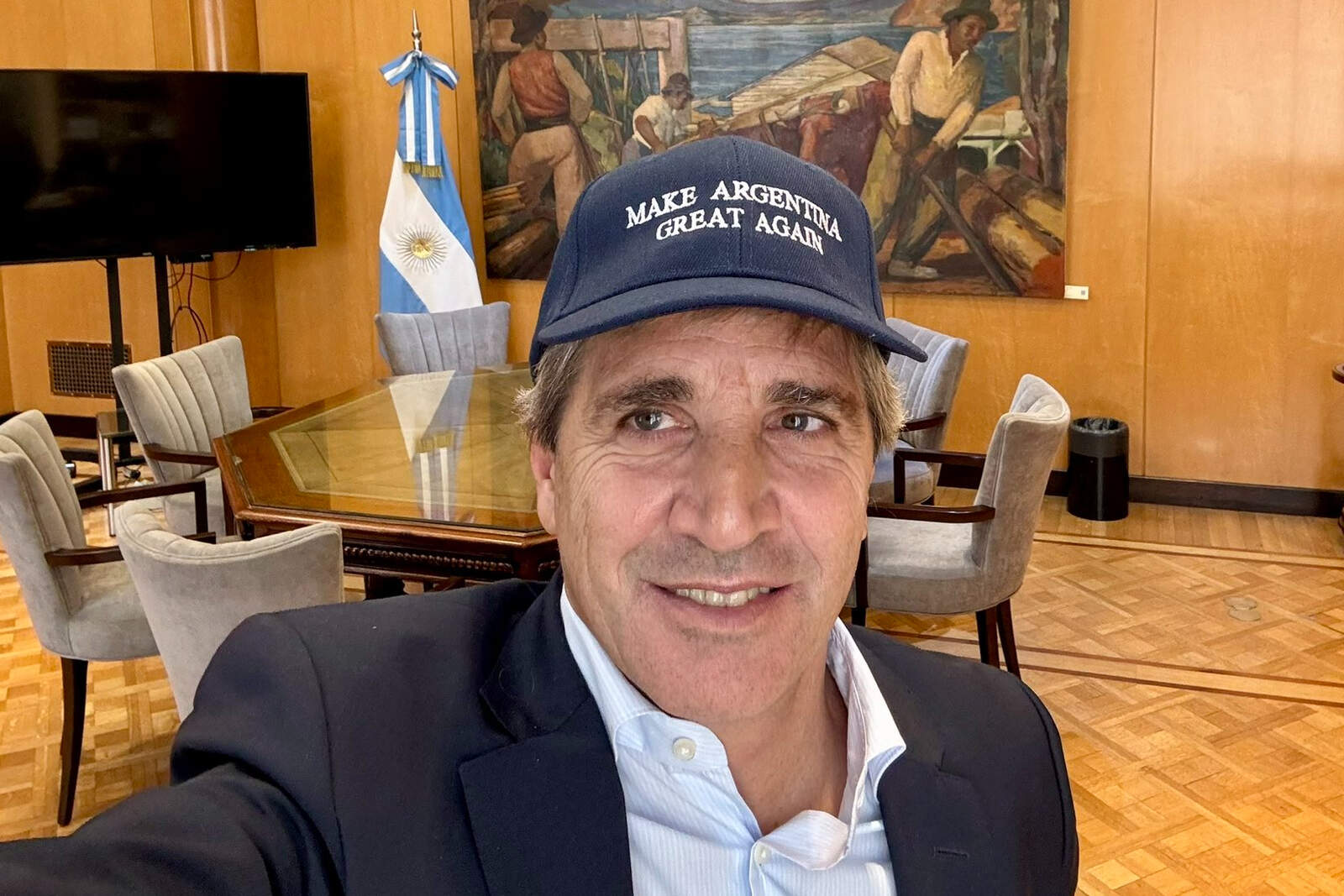
The Minister of Economy, Luis "Toto" Caputo, stated this morning through his account on the social network X that "there will be no change to the current scheme", thus reaffirming his position in response to rumors about possible changes to the band system after Sunday's legislative elections. His message was a direct response to a journalist's post that falsely anticipated adjustments after the elections.
With this statement, Caputo once again confirmed what he has been maintaining for several weeks, which other members of his team also repeat, in the face of false reports circulating in the market about potential modifications to exchange rate policy. This occurs despite the announcement of the currency swap agreement with the United States (swap) and even the interventions of the U.S. Treasury.
The post that prompted the minister's response stated: "Yesterday, USD 45.5 million were sold to keep the exchange rate within the band. The scheme will have to be modified since the ceiling was breached. After the elections, changes will probably come."
Luis Caputo, ministro de Economía.
"The market wants to see the BCRA buying dollars, despite everything it bought in 2024 (USD 25,000 million). The need to buy dollars is a request from the IMF, the market, and probably also from the Treasury," the message adds. Caputo's response was later shared by the Secretary of Finance, Pablo Quirno.
The band system
In one of his latest public appearances, in August, after several days of tension in the foreign exchange market, the president of the Central Bank, Santiago Bausili, explained that the current structure of wide exchange rate bands was designed precisely to allow a gradual transition toward a new regime, avoiding generating "nervousness" among financial operators.
Luis Caputo, ministro de Economía.
As he detailed at that time, the goal is for those bands to "gradually move apart until they become irrelevant", which would allow the exchange rate to be determined freely. "With any regime change, the market gets nervous," Bausili stated, emphasizing that the current scheme is aimed precisely at avoiding that kind of uncertainty, a key factor in preserving financial stability and changing the expectations of economic agents.
Meanwhile, in an interview given to the streaming channel Carajo, the Minister of Economy, Luis Caputo, had also dispelled the rumors circulating two months ago about potential adjustments: "There will be no change, nothing will happen," he stated emphatically.
Caputo stressed that the results obtained under the current regime already prove its effectiveness, and considered unfounded the statements suggesting otherwise. "We say exactly what we're going to do," he emphasized, reaffirming that there will be no changes to exchange rate policy after the elections.